

























Research Reveals Olympic Gold Could Elude Leerdam, Schulting, or Kok

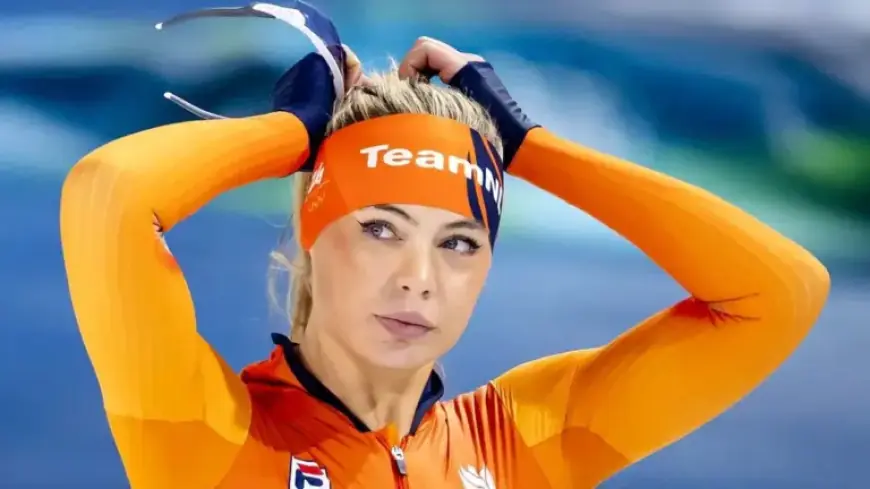
The upcoming 1,000 meters event for women at the Winter Olympics may present challenges for Dutch speed skaters Jutta Leerdam, Femke Kok, and Suzanne Schulting. They will compete on Monday at 5:30 PM, but the draw has placed them in the outside lane. Research indicates that starting in the inside lane offers a significant advantage in this event.
Research Findings on the Olympic 1,000 Meters
A study led by Ruud Koning, a sports economics professor at the University of Groningen, and Canadian speed skater Antoine Roger has highlighted the disparities in race outcomes based on starting positions. The analysis covered all races since 2007 that utilized random lane assignments.
- 64% of all 1,000-meter champions since 2007 started in the inside lane.
- 57% of all races in this distance category for women were won by inside-lane competitors.
Koning remarked, “The frequency of inside-lane victories indicates this is not coincidental.” He noted that the competition format may not be completely equitable for female skaters.
Reaction from Olympic Athletes
Olympic champion Ireen Wüst, who holds a record of thirteen Olympic medals, has expressed her thoughts on the situation. She stated, “The inside lane is significantly more favorable,” emphasizing its impact on race times during her career.
Wüst elaborated that while male skaters may prefer the outside lane, due to speed variations, female skaters typically do not struggle with maintaining balance through the turns.
Understanding the Lane Impact
The preference for the inside lane stems from its geometrical advantages. Competitors starting in the inside lane navigate three turns that are more favorable compared to two for those in the outer lane. Although initial placement in the outside lane creates a slight distance advantage, it ultimately complicates the entry into the critical first turn.
- Inside-lane skaters have a better chance of accelerating optimally into the first turn.
- The dynamics of subsequent turns are positively affected by an efficient entry speed.
Inside lane skaters are also positioned to capitalize on opportunities during the final turn, enhancing their chances of overtaking competitors.
Looking Ahead to the Competition
As anticipation builds for the race, Roger is watching closely, especially for his girlfriend Béatrice Lamarche, who is representing Canada. Despite her preference for the inside lane, her draw places her in the outside position, underscoring the uncertainty posed by the lane assignments.
As the competition date approaches, there are still no medals awarded in this event, leaving room for outcomes that could surprise competitors and fans alike.
View the women’s 1,000 meters live at 5:30 PM on various platforms, including the NOS app and NPO 1.