





















Super Bowl 2026 Score: Seahawks Beat Patriots 29–13 to Win Super Bowl LX in Santa Clara

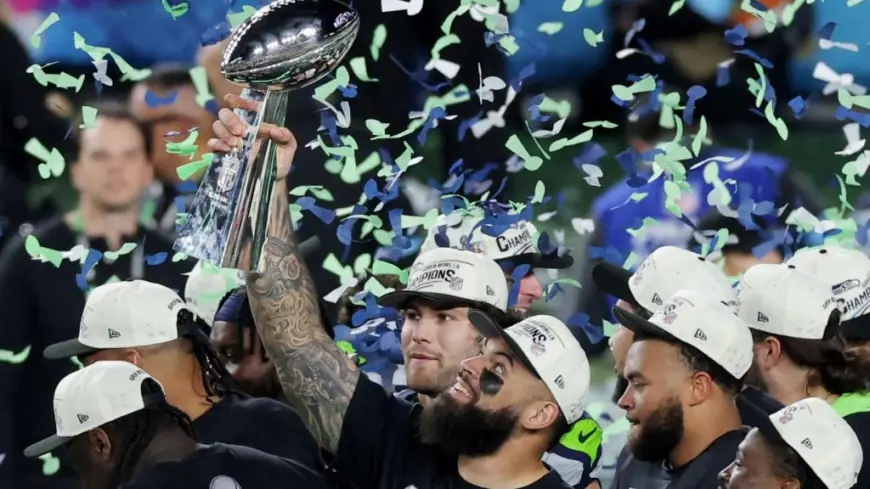
The Super Bowl 2026 final score is in: the Seattle Seahawks defeated the New England Patriots 29–13 on Sunday night, February 8, 2026 (ET), capturing the franchise’s second Super Bowl championship. The game, played at Levi’s Stadium in Santa Clara, California, tilted decisively toward Seattle as its defense dictated terms for three quarters before a fourth-quarter burst turned a tight, low-scoring grind into a comfortable finish.
Final Score and Super Bowl Score by Quarters
Seattle Seahawks 29, New England Patriots 13
Quarter-by-quarter scoring:
-
1st: Seahawks 3, Patriots 0
-
2nd: Seahawks 6, Patriots 0
-
3rd: Seahawks 3, Patriots 0
-
4th: Seahawks 17, Patriots 13
If you were checking “who won the Super Bowl last night,” the answer is Seattle—and the “score of Super Bowl 2026” is 29–13.
What Happened on the Field
This game read like a blueprint win: Seattle stacked points through field goals early, stayed mistake-free on offense, and waited for the Patriots’ offense to crack under pressure. New England didn’t score at all until the fourth quarter, when Drake Maye finally found the end zone—too late to flip momentum.
Seattle’s fourth quarter effectively ended the suspense: a touchdown pass pushed the lead to 19, and an interception return touchdown made the gap feel insurmountable. New England added points late, but the scoreboard never reflected a true comeback threat.
Seahawks vs Patriots: Why This Super Bowl LX Matchup Turned Lopsided
On paper, this was a marquee, legacy-tinged pairing—Seattle vs New England in a Super Bowl rematch that carried emotional weight for both fan bases. In practice, it became a referendum on two things that often decide championships:
-
Quarterback comfort under pressure
Seattle consistently forced Drake Maye off schedule. A rookie quarterback can survive one bad series; it’s much harder to survive four quarters of collapsing pockets, long-yardage downs, and disguised coverages that punish late decisions. -
How points get manufactured in tight games
Seattle didn’t need fireworks early. It banked points, trusted its defense, and kept the “one mistake flips everything” pressure on New England. Once the Patriots had to chase, the game’s margin expanded fast.
Behind the Headline: Context, Incentives, and Stakeholders
Context: Seattle entered the night with a clear identity: defense-led and detail-driven, with head coach Mike Macdonald’s fingerprints all over the game plan. New England arrived trying to begin a new era around Drake Maye—high upside, but still young in the moments where the Super Bowl squeezes decision-making down to milliseconds.
Incentives:
-
For Seattle, the incentive was legacy: prove this wasn’t a one-season peak, but a sustainable standard.
-
For New England, the incentive was acceleration: win early with a rookie-scale quarterback window and reset the franchise narrative post-dynasty.
Stakeholders:
-
Seattle’s roster and front office now gain leverage heading into contract talks: winning validates the vision and keeps veterans bought in.
-
New England’s coaching staff and Maye face the harshest kind of growth opportunity: a Super Bowl loss becomes either fuel for a long run—or a scar if the roster can’t get back.
-
Fans and city stakeholders in Seattle immediately shift to parade-mode questions, while local officials and event planners begin coordinating logistics.
What We Still Don’t Know
-
Seahawks parade details: Timing and route are not confirmed yet. In most years, the announcement comes after coordination with city officials, public safety, and team logistics.
-
How healthy key players finished: Postgame comments can be optimistic; the more reliable indicator is what appears on the injury report and in offseason treatment plans.
-
Patriots’ next roster priorities: The loss highlights protection, counters versus pressure, and how quickly New England can add difference-makers without blowing up its timeline.
What Happens Next: Realistic Scenarios and Triggers
-
Seattle doubles down on defense-first roster building
Trigger: retaining core defenders and avoiding a major coordinator or personnel exodus. -
Seattle shifts to “finish drives” emphasis in 2026
Trigger: if the team views early field goals as a vulnerability against more explosive opponents. -
New England invests heavily in pass protection and quick-game answers
Trigger: postseason review concluding that pressure, not play design, was the limiting factor. -
Maye’s development becomes the offseason headline
Trigger: how he responds publicly and mechanically—speeding up reads without becoming reckless. -
A rematch narrative starts immediately for next season
Trigger: schedule placement and early-season performance that keeps both teams on a collision course.
Why It Matters
This wasn’t just “who won the Super Bowl” trivia. Seattle’s 29–13 win signals a league-wide reminder that championships still get won the old way: disciplined offense, elite defense, and special teams points that force the opponent to play from behind. For New England, the result doesn’t end the Maye era—it defines the next step: turning a Super Bowl appearance into a repeatable standard, not a single-season surge.