

























Airlines Warn: Aviation Reforms May Increase Ticket Prices

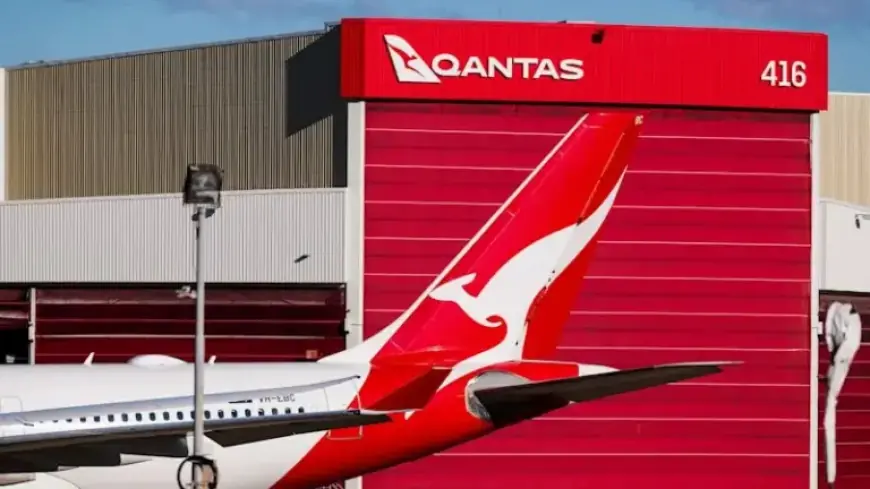
Australia’s airline industry faces significant challenges as new aviation reforms are poised to impact ticket prices and consumer rights. These proposed changes aim to establish minimum service standards, but industry leaders warn they may inadvertently lead to higher costs for passengers.
Aviation Consumer Protections Under Scrutiny
The Australian government plans to introduce a new regulatory framework intended to enhance consumer protections within the aviation sector. This initiative aims to legislate minimum service standards by mid-2026. The reforms include provisions for passenger remedies in cases of delayed or cancelled flights, which may require airlines to provide compensation such as food vouchers and accommodation.
Graeme Samuel, chairman of the airline industry group A4ANZ, criticized the proposed reforms as complicated and unmanageable. He highlighted that the creation of a new regulatory authority would merely duplicate the existing functions of the Australian Competition & Consumer Commission (ACCC).
Concerns About Cost Implications
Industry stakeholders have raised alarms over the financial implications of these reforms. The framework, funded by a levy on airlines, may lead to increased ticket prices for travelers. Samuel expressed concern, stating, “These are costs on the passengers because that’s how it happens.”
- The proposed regulations are seen as overly prescriptive and lacking clarity.
- Stakeholders worry the new agency will not sufficiently address the core issues affecting consumer experience.
- Transport Minister Catherine King assured that the reforms aim to guarantee minimum service levels but ruled out direct financial penalties for airlines.
Implementation of an Ombudsman System
An independent consumer ombudsman is planned to handle unresolved complaints, differentiating it from the existing Airline Customer Advocate. This system aims to provide customers with necessary support that they have not previously received.
King mentioned that the government’s approach is informed by international best practices observed in Europe and Canada. However, industry experts caution that the reforms may complicate existing Australian Consumer Law, potentially confusing consumers further.
Passenger Experience and Rights
Consumer advocacy groups, like CHOICE, assert that these reforms could improve clarity around passengers’ rights to reschedule or receive refunds. Critics, including passenger advocates, argue that the proposed changes do not utilize current industry processes effectively and may not substantially benefit consumers.
- Reforms intended to address delays and cancellations could lead to minor concessions like food vouchers.
- Some experts fear that minimal changes won’t significantly alter airline behavior.
As debates continue regarding the feasibility of these aviation reforms, the future of Australia’s airline industry may hinge on balancing consumer protections with operational efficiency and cost management. Stakeholders remain divided, emphasizing the importance of clear communication and practical solutions in the months ahead.