














Trump Update: Epstein Files Release, DHS Funding Issues, and Latest News

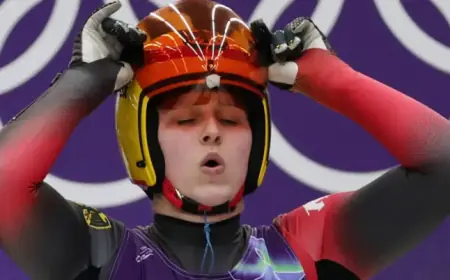
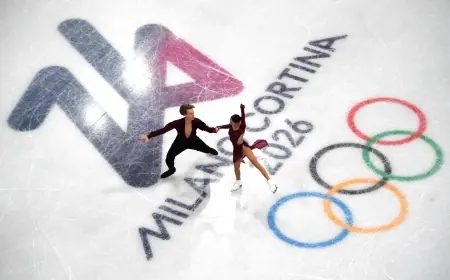
The 2023 Winter Games in Italy are currently witnessing the participation of 232 American athletes who have dedicated years to training. However, the political climate is casting a shadow over their momentous occasion. The Games, which commenced with an exhilarating opening ceremony in Milan, are taking place amid criticism of the Trump administration’s policies and the resultant international backlash.
Political Tensions Surrounding the Games
As the American team parades under the Olympic banner, athletes are grappling with mixed emotions regarding their representation. Hunter Hess, a skier from Bend, expressed his discomfort and said, “Just because I’m wearing the flag doesn’t mean I represent everything that’s going on in the U.S.” This statement incited a sharp response from President Trump, who labeled Hess as “a real Loser” on his social media platform, Truth Social.
Reaction from Other Athletes
The impact of politics has permeated the Olympic experience for many competitors. Zach Werenski, a defenseman for the U.S. men’s hockey team, remarked that he tries to block out any political distractions when competing. His focus remains on achieving success for his country.
The International Olympic Committee has described the Games as neutral territory, urging athletes to compete without the influence of governmental politics. Yet, wearing national colors inevitably ties athletes to their nation’s reputation and political environment.
Local Sentiment and Protests
The atmosphere in Italy reflects discontent towards U.S. immigration policies, particularly following announcements that U.S. Immigration and Customs Enforcement agents would assist in Olympic security. This provoked protests, where demonstrators displayed banners reading, “Milan despises you.”
In response to the backlash, U.S. athletic federations transitioned a hospitality venue’s name from “Ice House” to “Winter House” to avoid controversy.
Support from Italian Hosts
Despite the political rifts, many Italian locals maintain a favorable outlook towards American athletes. Barbara Barile, a spectator at the opening ceremony, emphasized the importance of distinguishing between governance and the electorate. However, anti-American sentiment persists due to historical context.
Gregory Alegi, a historian, noted a long-standing skepticism towards the U.S., rooted in historical events and political developments. Nevertheless, many in Italy show support for athletes, highlighting the distinction between their actions and the policies of officials.
Voices from the Athletes
- Amber Glenn, a national champion figure skater, expressed her commitment to advocacy, especially on issues impacting the L.G.B.T.Q. community.
- Lindsey Vonn reflected on her emotional ties to Minnesota, stating, “We are more than what’s happening right now.”
While some American spectators chose to mask their identity at the Games, many have ultimately decided to show support for the athletes. The sentiment within the stands often contrasted the political controversies surrounding the Olympic experience.
As the Winter Games progress, the blend of sport and politics continues to shape the narratives surrounding the athletes and their representation of the United States.