

























Cinematographer Roger Deakins Reflects on 50 Years in Film and Its Future

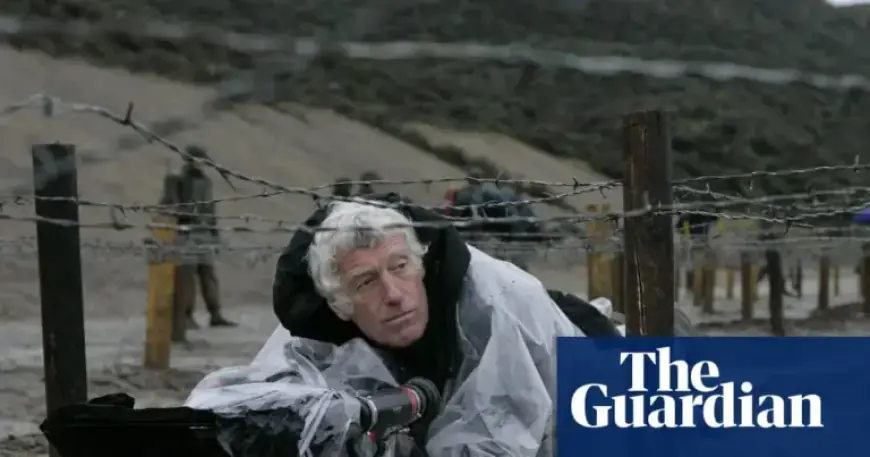
Roger Deakins, a prestigious cinematographer, has spent over 50 years in the film industry. Renowned for his collaborations with acclaimed directors like the Coen brothers, Martin Scorsese, and Sam Mendes, Deakins has received 14 Oscar nominations, winning twice, along with five BAFTAs and a knighthood. His work spans various genres, capturing stunning visuals that tell compelling stories.
Cinematography: A Complex Craft
In a recent interview, Deakins reflected on the essence of cinematography, acknowledging its collaborative nature. He emphasized the importance of visual storytelling, stating it encompasses more than just filming images. Deakins began his journey in photography, citing influences like Don McCullin, gradually transitioning into cinematography.
Throughout his career, Deakins has created iconic imagery, from the stark landscapes in “No Country for Old Men” to the enchanting scenes of “Blade Runner 2049.” His cinematic contributions also include the biopic “Kundun” and the action-packed “Skyfall,” showcasing his versatility in visual interpretation.
A Shared Journey
Deakins frequently collaborates with his wife, James Ellis Deakins, who serves as a script consultant. The couple typically synchronizes their efforts on film sets, ensuring effective communication across various production departments. James highlighted the necessity for cinematographers to capture emotions within each frame, illustrating how their work influences audience perception without overt recognition of cinematographic techniques.
Reflections on a Career
The insights from Deakins result from his recently released book, “Reflections: On Cinematography,” co-authored with James. Combining memoir and technical guide, the book delves into the intricacies of cinematography, portraying the role of a cinematographer as a highly skilled craftsman who skillfully manipulates light and manages technical crews.
Challenges and Changes in the Industry
Deakins expressed concerns regarding the current state of the film industry. Notably, he pointed to the advent of artificial intelligence and the rise of streaming platforms as contributing factors to its decline. He believes that the essence of visual storytelling and nuanced cinematography is becoming rare in favor of CGI and franchise-driven narratives.
His formative years in Torquay were challenging, accentuating his drive to express himself visually. The barrenness of his childhood led to an intense passion for film and photography, ultimately guiding him towards a successful career that he previously deemed unlikely.
The Cinematic Landscape Today
Deakins acknowledged a nostalgic yearning for the character-driven movies of the past, recognizing a shift towards larger “event” films. He expressed concerns that cinematic qualities are diminishing in favor of rapid technological changes that often prioritize convenience over artistic depth. Deakins feels that many modern films suffer from inadequate lighting and a lack of thoughtful composition.
Looking Forward
Despite his worries about the industry’s future, Deakins remains active in the film community. Alongside his wife, he runs the “Team Deakins” podcast, aiming to demystify the filming process for aspiring filmmakers. Their outreach extends to students and young filmmakers seeking guidance.
Deakins seamlessly balances his career in cinematography with personal interests, valuing the art of storytelling and the importance of passion in any field. As he continues to reflect on his remarkable journey, his work, both on and off the screen, remains a testament to the power of visual storytelling in cinema.
The new book, “Reflections: On Cinematography,” co-authored by Roger Deakins and James Ellis Deakins, offers insights into this celebrated filmmaker’s pioneering vision and is available for purchase.