

























NASA Telescope Unveils Earth-Like Features on Nearby Planet

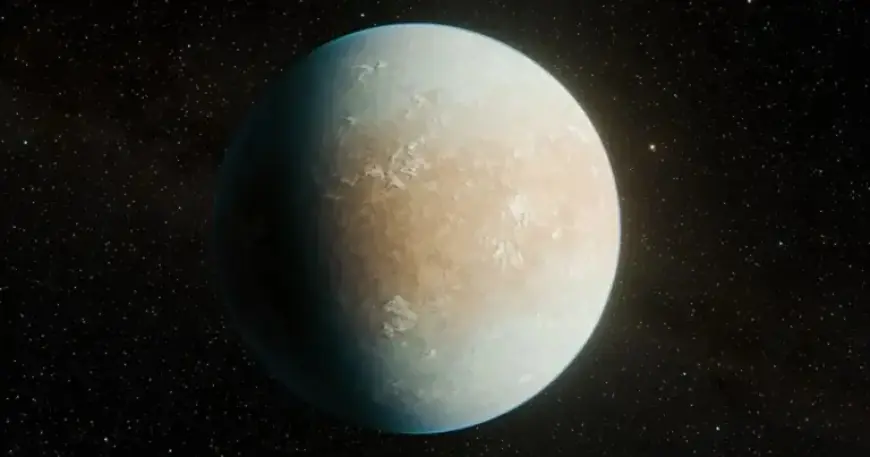
A newly identified exoplanet, named HD 137010 b, has generated significant excitement among astronomers due to its Earth-like features. This discovery suggests the potential for a habitable environment, making it one of the most intriguing candidates in recent years.
Key Features of HD 137010 b
HD 137010 b orbits a star resembling our Sun, located approximately 150 light-years from Earth. Researchers made this discovery using data from the NASA Kepler space telescope, which recorded a transit event in 2017. During this event, the exoplanet passed in front of its star, creating a measurable dip in light.
Similarity to Earth
- Size: Nearly identical to Earth
- Orbital Period: Approximately 355 Earth days
- Star Type: Orbits a K-type orange dwarf, which is smaller and cooler than our Sun
HD 137010 b’s star emits less than a third of the light and heat that Earth receives. Estimated temperatures on this exoplanet could be lower than minus 90 degrees Fahrenheit, making it potentially chillier than Mars, which sits around minus 85 degrees Fahrenheit.
Potential for Habitability
The possibility of HD 137010 b hosting life remains uncertain. Experts debate whether planets around smaller stars, like K-type dwarfs, can sustain habitable environments due to their proximity and resulting tidal locking effects. A tidally locked planet experiences one side eternally facing the star.
Nevertheless, if HD 137010 b possesses a carbon dioxide-rich atmosphere, it could retain enough heat to support liquid water, similar to early Mars, which is believed to have had a warmer and wetter climate before losing its atmosphere billions of years ago.
Future Research Directions
Researchers emphasize the necessity of follow-up observations to substantiate the findings. Currently, the scientific community considers multiple transits essential for confirming the viability of an exoplanet as a target for future investigation. Sara Webb, an astrophysicist at Swinburne University, highlights that a minimum of three transit observations is ideal for definitive analysis.
Chelsea Huang, a coauthor of the study and researcher at the University of Southern Queensland, regards this discovery as a strong candidate for further planetary studies, describing it as a “textbook example” of a planetary transit.
Continued examination of HD 137010 b could provide insights into the characteristics of Earth-like exoplanets and their potential for harboring life, making it a focal point of excitement in the field of astronomy.