

























iPhone 18: What’s known now about release timing, design changes, and new chips


As of Sunday, Feb. 8, 2026 (ET), talk around iPhone 18 has shifted from vague “next year” chatter to a more specific picture: a premium-first launch strategy, a likely chip jump to 2-nanometer class silicon in the Pro line, and a new round of changes aimed at shrinking visible display cutouts. None of it is confirmed by Apple, but the themes are consistent across recent coverage and supply-chain commentary.
Expected release timeline looks split
The biggest practical detail circulating is a staggered rollout. The working expectation in recent coverage is that higher-end iPhone 18 models arrive first in the fall 2026 window, while the more affordable standard models follow later, commonly framed as early 2027.
If Apple does split the lineup, it would mirror the way the company increasingly spaces out iPhone choices across price tiers rather than pushing every model on the same day. For buyers, that timing matters more than most specs: it determines whether “wait for iPhone 18” means months or closer to a year.
Display and Face ID changes could reshape the front
A major design thread is the possible move toward under-display Face ID on iPhone 18 Pro models. The goal is simple: free up more of the screen by reducing or relocating the sensor hardware currently tied to the visible cutout area.
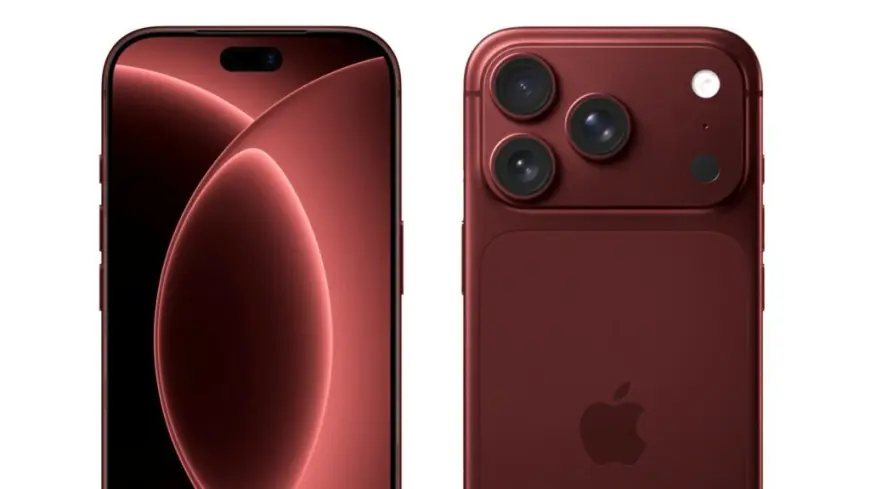
The open question is what happens to the on-screen design element that grew around those sensors in recent generations. Some claims suggest it could shrink or become less prominent; other takes suggest the transition may be partial, with some sensors moving under the display while others remain visible. The key point is that under-display biometrics are hard to do well—especially for infrared-based systems—and timelines have slipped before.
A20 Pro and the 2nm shift: speed, efficiency, and cost
Another recurring theme is a significant chip transition in the Pro line, widely discussed as an A20 Pro-class processor produced on a 2-nanometer process. If it lands, the most noticeable user benefit may not be peak speed, but efficiency: better battery endurance at similar workloads, and more headroom for on-device AI features.
There’s also a cost angle. Smaller-node chips typically raise manufacturing complexity and early production expense, which can influence pricing or storage-tier positioning. Even if list prices don’t change, Apple could adjust configurations, bundling, or trade-in incentives to manage the economics behind the scenes.
Battery and camera upgrades are back in focus
Two other areas are getting early attention: battery capacity and camera hardware.
On battery, the discussion centers on the Pro Max—where physical size offers more room to push capacity higher. Combined with a more efficient chip, even modest capacity gains can translate into meaningful extra runtime, especially for video, gaming, and camera-heavy days.
On cameras, the most common framing is “testing” and “prototypes,” with attention on rear-camera upgrades aimed at improving low-light output and zoom or image processing. The important nuance: camera changes often depend on component availability and how aggressively Apple wants to differentiate Pro from non-Pro models in a given year.
What these rumors mean for buyers right now
For most people, the iPhone 18 story is less about one killer feature and more about a set of trade-offs: timing, price, and whether the Pro upgrades justify waiting.
Here’s a compact view of the themes and why they matter:
| Rumor theme | What’s being discussed | Who it affects most | Why it matters |
|---|---|---|---|
| Split release schedule | Pro models first, standard models later | Buyers on older iPhones | “Wait” could mean very different timelines |
| Under-display Face ID | More sensors hidden beneath the screen | Pro shoppers | Potentially cleaner display, but risk of delays |
| 2nm-class A20 Pro | Efficiency and performance gains | Heavy users | Battery life and sustained performance improvements |
| Bigger batteries | Especially on larger Pro models | Pro Max shoppers | More runtime without changing habits |
| Camera testing | New hardware and processing updates | Photo/video users | Better low light, zoom, and consistency |
The safest planning move today: decide whether you’re waiting for the Pro-tier upgrades (likely earlier) or the standard model (possibly later). If you need a phone soon, the “next iPhone” cycle may not align with your timeline—especially if Apple staggers launches.
Sources consulted: Forbes, MacRumors, 9to5Mac, AppleInsider