





















Bad Bunny Captivates Super Bowl Audience: Engage or Miss Out

On January 3, a significant U.S. military operation in Venezuela concluded with the capture of Nicolás Maduro. This event led to the temporary closure of airspace in parts of the eastern Caribbean, causing unexpected travel disruptions for many, including an extended stay in St. Kitts.
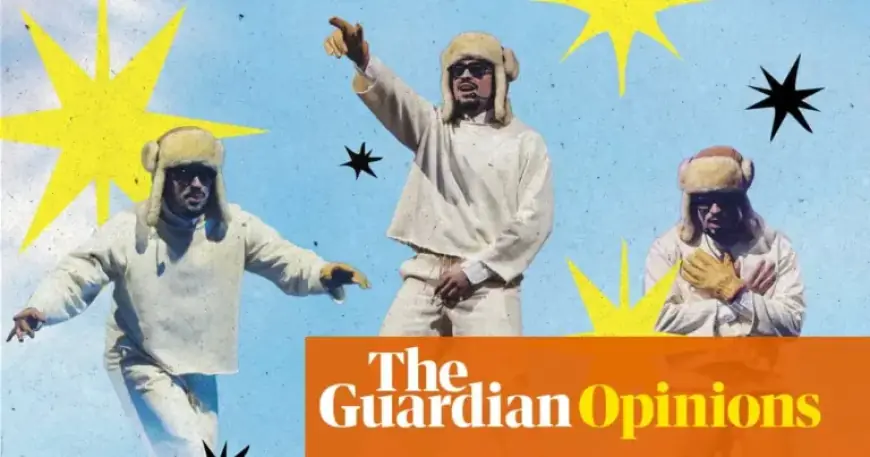
This situation highlights the complex power dynamics that govern not just air travel but also cultural exchanges. One of the most talked-about topics recently is Puerto Rican artist Bad Bunny, who headlined the Super Bowl halftime show. His decision to perform primarily in Spanish has sparked debate, with some viewing it as an intrusion on American culture.
Understanding Cultural Dynamics through Bad Bunny
The discussions surrounding Bad Bunny’s performance often revolve around the notion of feeling left out, also known as the fear of missing out (FOMO). This sentiment can manifest in various ways. While some may respond with resistance, others channel their curiosity productively.
- Some individuals are organizing alternative events, like the Turning Point USA’s All-American Halftime Show.
- Conversely, families are taking time to understand Bad Bunny’s music and its cultural significance.
Bad Bunny’s music acts as a bridge, offering insight into the nuanced relationship between the U.S. and the Caribbean. Puerto Rico’s status as an unincorporated territory allows the U.S. to maintain a connection while denying full inclusion to its residents.
Cultural Resistance through Music
The music from Caribbean artists often makes palpable the invisible borders that separate cultures. Bad Bunny’s work addresses issues such as poverty and political neglect. His song “El Apagón” captures the struggles of Puerto Rico’s electrical failures, turning serious themes into vibrant, danceable music.
The rhythms and melodies of Bad Bunny—and similar artists—transform the Super Bowl halftime show into an opportunity for inclusion rather than exclusion. Audiences are encouraged to engage with the music, irrespective of their understanding of the language.
The Role of Music in Communication
Music serves as a unique medium for fostering mutual recognition. Bad Bunny’s videos often depict relatable themes of family, loss, and celebration, making them accessible even to those who may not understand Puerto Rican Spanish.
A memorable moment from 2023’s Grammys showcased Trevor Noah, who, during an exchange with Bad Bunny, epitomized the modern listener’s ethic: a willingness to connect and learn.
Facing Cultural Fears
In a sociopolitical climate where nationalism can lead to exclusion, the curiosity inspired by FOMO can act as a powerful antidote. Many people now prefer to engage and learn instead of harboring fear or resentment.
As we navigate a world rife with uncertainty, the work of understanding and connecting becomes increasingly worthwhile. Bad Bunny’s presence on a grand stage like the Super Bowl is not merely about entertainment; it invites all to participate in a shared cultural moment.
Jessica Swanston Baker, an associate professor of music specializing in contemporary Caribbean popular music, captures this ongoing dialogue about cultural representation and inclusion through music.