
















Trump’s Racist Image of Obamas Signals a Shift

The recent controversy surrounding a social media post by Donald Trump featuring an offensive caricature of Barack and Michelle Obama raises serious questions about racism in politics. Trump’s history of racially charged rhetoric and actions complicates this issue.
Trump’s Racist Image of the Obamas Sparks Outrage
The image depicting the former president and first lady as apes surfaced on Trump’s Truth Social account, igniting a firestorm of criticism. This post remained for approximately twelve hours before being deleted, during which time it prompted widespread condemnation.
Historical Context of Racism
Donald Trump has a long-standing history of alleged racist behavior. In the 1970s, Trump and his father faced lawsuits from the U.S. Department of Justice for refusing to rent apartments to black tenants. In the 1980s, he publicly called for the death penalty for five young black men known as the “Central Park Five,” even after they were exonerated. Trump’s promotion of the birther conspiracy theory questioned Obama’s legitimacy as president, claiming he was not born in the U.S.
- 1973: DOJ sued Trump and his father for housing discrimination.
- 1989: Trump called for the death penalty for the Central Park Five.
- 2009: Trump promoted the birther conspiracy regarding Obama’s birthplace.
Impact of Racism in Social Media
This incident is not isolated. Research indicates that racial slurs and hate speech have surged online, particularly following significant events. A study published in the Journal of Epidemiology analyzed over 55 million tweets from 2011 to 2021, documenting a 16% rise in racist language. Following the October 7 Hamas attacks, antisemitic and anti-Muslim hate speech increased by 919% and 422%, respectively.
According to a study from Goldsmiths University, about 95% of minority groups encounter racist content online, with 16% witnessing it daily. Many respondents indicated that exposure to such content negatively impacts their mental health.
Responses and Reactions
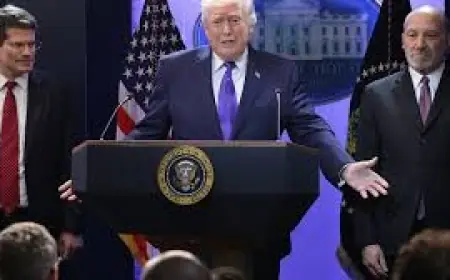
Despite the backlash, Trump has not apologized for the post. He affirmed that he “didn’t make a mistake,” attempting to distance himself from responsibility by blaming a junior staffer for the upload. Critics pointed out that the implications of such imagery are deeply damaging and reflect a worrying trend in political discourse.
The White House’s attempts to downplay the situation signify a troubling reality where such actions may become normalized. The true test will emerge when the public evaluates the next incident of racial insensitivity or overt racism from political figures.