

























Kristi Yamaguchi and Alysa Liu: What a Carefree, Joyous Gold-Medal Performance Rewrote About Figure Skating

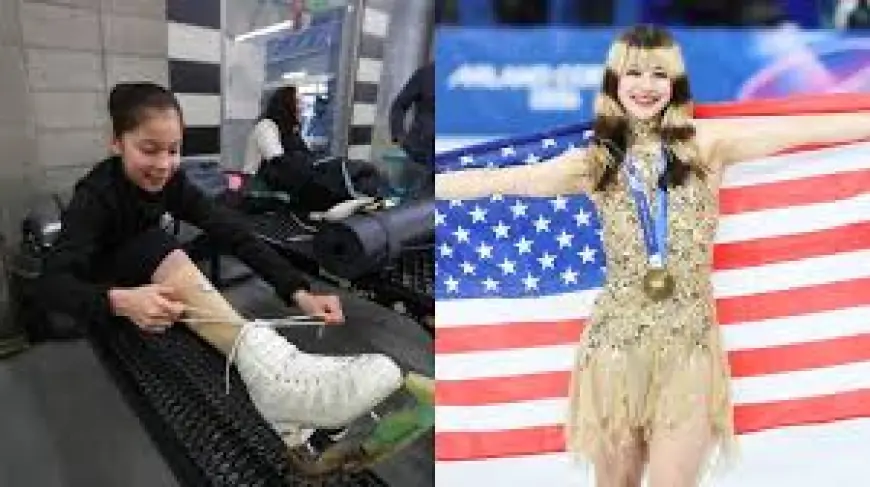
A recent headline described Alysa Liu's gold-medal performance as carefree and joyous and asserted that there is no one in figure skating like her — a sharp, attention-grabbing judgment that matters because it reframes how audiences and commentators measure distinction in the sport. kristi yamaguchi
Alysa Liu's carefree, joyous gold-medal performance
The central claim in the recent coverage is straightforward: Alysa Liu delivered a gold-medal performance characterized by a carefree, joyous tone, and that performance was presented as proof of a kind of singularity in figure skating. That framing does more than celebrate a single result; it elevates style and spirit alongside technical accomplishment, suggesting that memorable performances are as much about emotional presence as they are about execution.
Calling a performance "carefree" and "joyous" shifts the conversation away from purely quantitative measures and toward the subjective qualities that give a routine its cultural footprint. When a headline asserts that "there's no one in figure skating like her, " it invites discussion about what makes a skater unique: individuality of movement, risk-taking, connection with the audience, or an emotional authenticity that resists easy comparison.
Kristi Yamaguchi and the conversation about uniqueness in skating
That kind of headline changes how fans and commentators approach legacy talk. Names such as Kristi Yamaguchi surface in broader debates about greats and distinctive performers, and the recent praise of Alysa Liu renews those comparisons. kristi yamaguchi
Framing one performance as indicative of an athlete being "one of a kind" recalibrates reference points. The effect is twofold: it magnifies the current performer while also prompting reassessment of prior benchmarks. Even without weighing technical elements or historical records, the rhetoric of uniqueness affects memory and the narratives that stick in public imagination.
What this means going forward
Labeling a single showing as proof of singular status is consequential for how future performances are interpreted. Performers who show similar qualities — ease on the ice, expressive freedom, a joyful presence — may be measured against the standard established by that headline, whether or not that standard captures the full complexity of athletic achievement.
For commentators, analysts, and fans, the takeaway is that narrative language shapes legacy as much as scorelines do. Describing a performance as carefree and joyous does more than praise; it creates a story that can influence which moments are elevated in highlight reels, which routines are replayed, and which names persist in comparisons across generations.
Fresh angle and next steps
The immediate development — the strong, singular praise of Alysa Liu's gold-medal showing — serves as a prompt for deeper debate about criteria for greatness. Observers can expect renewed discussion about the balance between measurable skill and intangible charisma, and how each contributes to the sense that "there's no one like" a particular skater. That debate will shape how fans revisit past performances and how they assess emerging talent.
As the conversation evolves, watch for whether the language of uniqueness broadens to account for diverse strengths or whether it narrows around a few standout moments. Either way, the recent coverage has already shifted the framing, and that shift will influence how figure skating moments are remembered and compared.