

























Women’s 10km + 10km skiathlon: what it is, and how Jessie Diggins and Heidi Weng fared

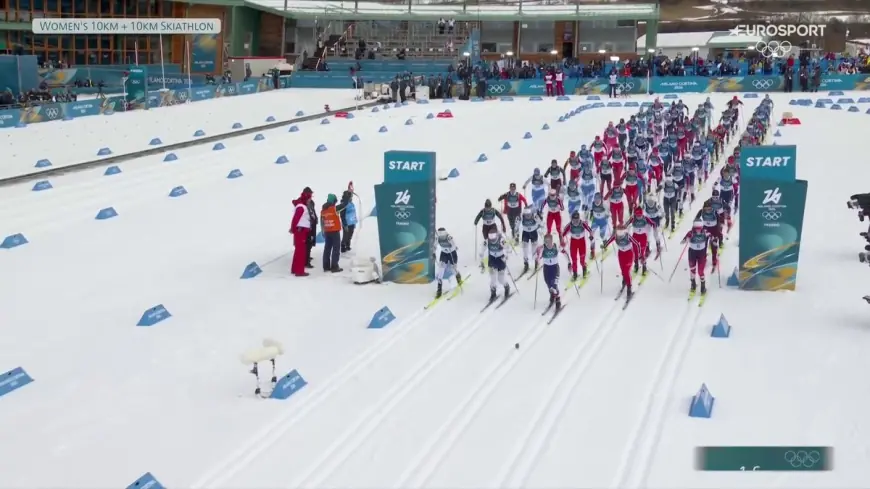
The women’s 10km + 10km skiathlon delivered an early statement race at the Skiathlon Olympics on Saturday, Feb. 7, 2026 (ET): Sweden’s Frida Karlsson surged away on the freestyle half to win gold, teammate Ebba Andersson took silver, and Norway’s Heidi Weng claimed bronze. U.S. star Jessie Diggins was knocked off rhythm by an early fall and finished eighth after working back through the field.
For anyone asking what is skiathlon, this race is the Olympics’ clearest head-to-head test of complete cross-country skiing: the same athletes must excel in both classic and freestyle, with no reset between them.
What is skiathlon in cross-country skiing?
A skiathlon is a mass-start race run in two techniques back-to-back:
-
First 10km: classic technique (track-striding; skis stay in parallel grooves when possible)
-
Second 10km: freestyle technique (skate-skiing; wider V-shaped push and glide)
The clock never stops, and positioning is constant. That’s what makes the format so demanding: athletes must manage the early pace so they have enough left for the second half, where attacks often decide medals.
How the technique change works
Mid-race, the field enters a designated equipment-change zone. Skiers swap:
-
skis (classic set to freestyle set)
-
often poles
-
sometimes minor adjustments like straps or wax-related choices made beforehand
There’s no time credit for the change—fast, clean transitions matter, and small delays can create gaps that become hard to close once the skating accelerations begin.
How the women’s 10km + 10km skiathlon played out
The first 10km classic segment typically rewards efficiency and drafting, and this edition followed that script until the key turning point: the second half opened up sharply once the leaders hit freestyle and began pressing the pace.
Frida Karlsson separated decisively after the change, building a large cushion rather than waiting for a final sprint. She finished in 53:45.2, winning by 51.0 seconds over Ebba Andersson. Heidi Weng took bronze 1:26.7 back after a hard push in the latter stages.
Those margins are unusually big for an Olympic distance race, underlining how aggressively the winner skied the freestyle half and how quickly the race splintered once the technique shifted.
Jessie Diggins: early fall, late recovery
For Jessie Diggins, the defining moment came early. She fell on a downhill turn in the opening portion and lost contact in a race where staying tucked into the moving pack is often essential for conserving energy.
Diggins did what skiathlon specialists do when things go wrong: limit damage in classic, then use the skate section—where she’s historically strong—to claw time back. The result was eighth, a finish that reflects both the cost of the fall and the strength of her recovery. In a mass-start format, even a short interruption can force an athlete to burn extra matches just to regain draft, which can show up later when the medals are decided.
Why Heidi Weng’s bronze mattered
Heidi Weng’s medal showed the value of balanced skiing across both halves. Skiathlon podiums often go to athletes who can stay patient in classic without drifting too far back, then shift gears instantly in freestyle. Weng’s ability to remain in the right fight and then finish strongly placed her on the podium even as the leaders pulled clear.
For Norway, the bronze also signals depth and durability in a format that punishes specialists: a skier who is merely “good” in one technique can be exposed once the second half begins.
What to watch next in skiathlon-style racing
Skiathlon outcomes tend to forecast the rest of the distance program because they reveal three things quickly:
-
Classic efficiency under pressure: who can stay near the front without wasting energy
-
Transition sharpness: who changes equipment cleanly and exits the zone at speed
-
Freestyle punch on tired legs: who can attack after 10km of work already in the bank
For Diggins, the next key signal will be whether she can start clean and stay with the main draft early—because her late-race engine is most dangerous when she doesn’t have to spend the first half chasing. For Weng and the medal contenders, the question is whether the next distance races tilt toward pack finishes or allow another decisive breakaway.
Sources consulted: Reuters, International Ski and Snowboard Federation, Olympics, NBC Olympics