























JD Vance booed in Milan as Milano Cortina Olympics open amid political tension

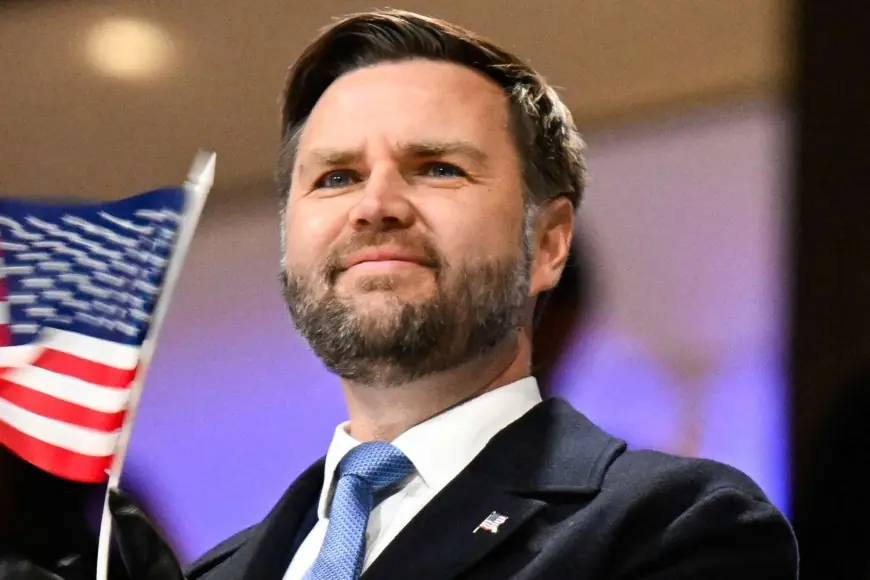
U.S. Vice President JD Vance was booed Friday night, Feb. 6, 2026, when he appeared on the stadium screen during the Winter Olympics opening ceremony in Milan, a moment that briefly cut through an otherwise celebratory start to the Milano Cortina Games. Vance attended with his wife, Usha Vance, and the reaction drew added attention because it came just moments before the crowd cheered loudly for Team USA during the parade of nations.
The episode has quickly become a flashpoint around the U.S. political delegation’s presence at the Games, set against local protests and broader debate over immigration enforcement and security roles.
What happened inside the stadium
The booing occurred as the broadcast feed showed JD Vance and Usha Vance seated in the stands at San Siro during the opening ceremony on Friday, Feb. 6. The negative reaction was audible, mixed with some applause, and contrasted with the reception for the U.S. athletes shortly afterward.
No disruption to the ceremony was reported, and competition proceeded as scheduled. Still, the crowd response was sharp enough to become an immediate talking point around the U.S. delegation’s visibility at an international event that organizers typically want to keep politically neutral.
Why the moment hit so hard
The reaction to Vance has been tied to heightened political tensions around U.S. immigration policy and public anxiety over enforcement symbolism at a global sports event. In recent days, protest messaging in Milan focused on concerns that U.S. immigration enforcement could be linked to Olympic security support. U.S. Olympic officials have said that immigration agents are not part of the Olympic security footprint on site.
The boos also landed in a sensitive context for hosts, who have emphasized the Games as a unifying moment for a multi-city Olympics spread across northern Italy. When a political figure becomes the story during an opening ceremony, it risks pulling oxygen from athletes and host-city messaging.
Usha Vance, Team USA, and the U.S. delegation
Usha Vance attended alongside the vice president, and the stadium shot captured both as they acknowledged the crowd. Team USA’s reception remained broadly positive inside the venue, underscoring that the boos were aimed at the political delegation rather than the athletes.
Italian officials also treated the U.S. visit as a formal diplomatic engagement. On Feb. 6, Prime Minister Giorgia Meloni met with the U.S. vice president in Milan, adding a state-to-state layer to what is otherwise framed as a sports attendance trip. That diplomatic backdrop has likely amplified public attention to who is in the VIP seats and why.
What time is it in Milan and Cortina right now?
Milan and Cortina d’Ampezzo share the same local time (Central European Time).
As of 9:29 a.m. ET on Saturday, Feb. 7, 2026, it is 3:29 p.m. in Milan and Cortina d’Ampezzo.
Winter Olympics sports fans are watching
Milano Cortina features the standard Winter Olympic slate spread across mountain and city venues. The core sports include alpine skiing, biathlon, bobsleigh (including skeleton), cross-country skiing, curling, figure skating, ice hockey, luge, Nordic combined, short track speed skating, ski jumping, snowboarding, speed skating, freestyle skiing, and ski mountaineering (new for this edition).
Key events that typically drive early attention:
-
Alpine skiing speed races and technical events
-
Biathlon (a major TV draw in Europe)
-
Ice hockey, including high-stakes group play
-
Short track, where medals can swing on one incident
Summer Olympics 2028 in the U.S.: what’s set
The next Summer Olympics in the U.S. are Los Angeles 2028, scheduled for July 14 to July 30, 2028 (ET times will differ from local California time during the Games). The program includes several high-interest additions and returns: baseball/softball, cricket, flag football, lacrosse, and squash.
For U.S. Olympic planning, that matters because it broadens medal opportunities and changes selection timelines across multiple federations, especially in sports that are either returning after an absence or making their Olympic debut.
Sources consulted: Reuters, LA28, Olympics.com, Presidency of the Council of Ministers of Italy