























Disasters Strand Communities Without Phone Service

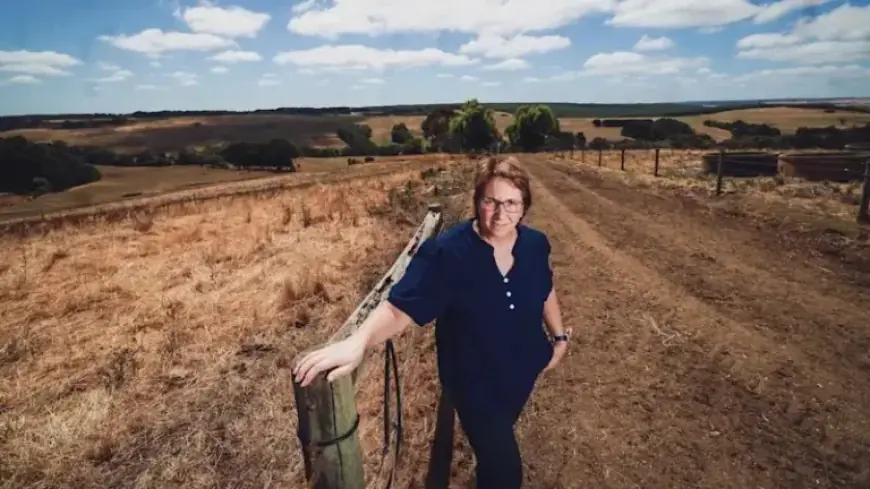
In recent months, communities in Victoria have grappled with severe mobile network outages, exacerbated by ongoing bushfires. These disruptions have left many residents without phone service during critical times, highlighting the vulnerabilities in regional telecommunications infrastructure.
Mobile Network Failures During Emergencies
Residents of Simpson, a small town in western Victoria, have been significantly impacted. During a catastrophic fire danger day on January 9, local dairy farmer Janet Rogerson lost mobile service completely. Unable to make calls or check emergency apps, she expressed concern for her safety and that of her family, particularly her elderly father, who struggled to reach her during the crisis.
Despite being a Telstra customer, Rogerson experienced intermittent mobile coverage, with similar challenges faced by other residents. Community center coordinator Debra Smith has voiced her frustrations regarding ongoing outages. After contacting Telstra’s CEO, she reported no meaningful changes to the service.
Impact on Emergency Services
Simpson is served by both Telstra and Optus networks. However, in times of Telstra outages, the backup access via Optus only permits emergency SOS calls, leaving residents unable to reach emergency services like Triple Zero. Smith cautioned that these outages pose serious risks, particularly in emergencies.
Since noticing a decline in service reliability in 2019, Smith has advocated for improvements, emphasizing that local residents have come to rely heavily on Telstra for its supposedly superior coverage. Their situation mirrors broader regional challenges as more frequent natural disasters lead to growing telecommunications failures.
Expert Insights and Recommendations
Mark Gregory, a telecommunications expert at RMIT, has highlighted the inadequacy of current regulations governing outage notifications. According to the Australian Communications and Media Authority, major outages affecting over 100,000 services must be reported, but local issues affecting fewer users are often overlooked. He argues that all outages, regardless of scale, are vital to public safety.
The Euroa community has also felt the repercussions of mobile network failures. Stephanie Swift, president of the Euroa Chamber of Business and Commerce, mentioned that outages have hindered local trading and posed dangers for residents and businesses alike.
Government Response
The Australian government has announced the Universal Outdoor Mobile Obligation, which requires operators to ensure nationwide outdoor mobile voice and text coverage. Slated to start in December 2024, this initiative aims to address some of the infrastructure weaknesses highlighted by recent events.
However, local politicians are pushing for immediate upgrades to phone towers, particularly in high-risk fire zones. Richard Riordan, a state MP, emphasized the necessity of reliable communication for communities that rely on mobile connectivity for safety, work, and daily life.
The Call for Improved Infrastructure
- Improved Power Systems: Advocates suggest that telecommunications companies must invest in backup power systems for mobile towers in fire-prone regions.
- Regulatory Reforms: Calls for stricter regulations to ensure that all outages are reported promptly are growing.
- Community Safety: Initiatives like the Universal Outdoor Mobile Obligation are aimed at enhancing communication networks.
As the affected communities look towards the future, many residents, like Janet Rogerson, continue to hope for rain to alleviate the persistent fire threats and offer some respite from a challenging summer.