
























Supermarket Apologizes for Facial Recognition Misidentifying Customer as Criminal

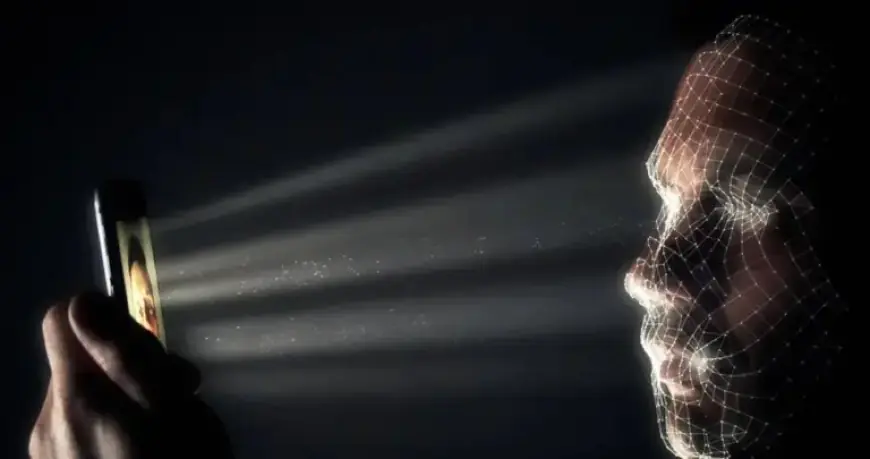
A British supermarket recently faced criticism after a troubling incident involving facial recognition technology. Sainsbury’s, located in Elephant and Castle, London, mistakenly identified a customer as a criminal, leading to his wrongful ejection from the store.
Sainsbury’s Facial Recognition Incident
The store manager approached Warren Rajah after the Facewatch system triggered an alert, mistakenly associating him with a match from the offenders’ database. Although the technology had a reported 99.98% accuracy rate, this incident highlights a significant human error in its application.
Details of the Incident
- Date: Incident occurred recently in London.
- Location: Sainsbury’s, Elephant and Castle.
- Customer Incorrectly Identified: Warren Rajah, a sales employee at CDW.
- Technology Used: Facewatch facial recognition system.
After Rajah was approached by three store managers, he was asked to leave the store. The situation became humiliating as he was pointed to signs indicating the use of facial recognition technology.
Sainsbury’s Response
Sainsbury’s has issued a sincere apology to Rajah for his experience. A spokesperson clarified that the fault lay in staff misidentification rather than a failure of the facial recognition system. The store intends to enhance staff training to prevent such occurrences in the future.
Implications of Facial Recognition Technology
Sainsbury’s is not alone in employing facial recognition technology; several other retailers in the UK have also adopted Facewatch, leading to a reported 46% reduction in theft and antisocial behavior incidents. However, this incident raises concerns about privacy and the potential for wrongful accusations.
Public Outcry and Advocacy
The use of facial recognition by retailers has drawn criticism from various advocacy groups, including Big Brother Watch. They argue that the technology infringes on individual privacy rights and could lead to many innocent customers being unjustly targeted.
- Big Brother Watch statement: The technology is described as “Orwellian” and raises severe privacy concerns.
- Concern about increased surveillance: Many shoppers fear being wrongly identified as criminals.
- Legal Challenges: Big Brother Watch is pursuing a legal challenge against the use of facial recognition technology in retail.
The incident with Warren Rajah serves as a critical reminder of the pitfalls of integrating facial recognition technology into everyday retail operations. As supermarkets continue to adopt these systems, it becomes increasingly vital to balance technological advancements with respect for individual rights and liberties.