





















U.S. and Iran Prepare for Crucial Talks in Oman

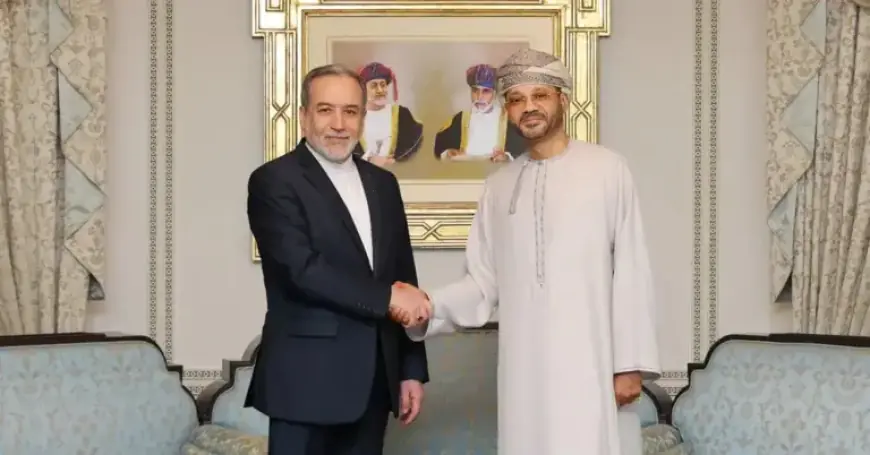
U.S. and Iranian officials convened in Oman, marking their first discussions since the conflict escalated last June. The objective of these talks is to prevent further military confrontation between the two nations. However, uncertainty remains regarding the agenda and the likelihood of direct communication between the representatives of both countries.
Background of the Talks
The talks were facilitated by Oman’s Foreign Minister, Badr Albusaidi, who engaged in separate meetings with each delegation. Iranian Foreign Minister Abbas Araghchi emphasized Iran’s commitment to protecting its “sovereignty and security” against perceived threats during his discussion with Albusaidi.
Regional leaders have advocated for these discussions, viewing them as essential to maintaining stability in the Middle East and preventing another war. Representatives from the U.S. included Steve Witkoff, a special envoy to former President Trump, and Jared Kushner, along with Adm. Brad Cooper, leader of U.S. military forces in the area.
U.S. Demands and Concerns
- President Trump has threatened military action against Iran if specific conditions are not met.
- Conditions include ending Iran’s nuclear program and its support for militant groups.
- Recently deployed U.S. naval forces in the Persian Gulf have heightened tensions.
Iran has responded with threats of retaliation against U.S. military targets and Israeli forces. Tensions began when Trump warned Iran against harming protesters during nationwide anti-government demonstrations, resulting in a violent crackdown by the Iranian government.
Focus of Negotiations
Key issues on the agenda include Iran’s ballistic missile program and its support for regional militias. While some regional diplomats have suggested limiting Iran’s nuclear enrichment capabilities, Iranian officials remain firm that they will not compromise on missile concessions, viewing them as crucial for national defense.
Moreover, Iranian representatives proposed a long-term suspension of their nuclear program in exchange for the lifting of U.S. sanctions, which have significantly impacted Iran’s economy. Ongoing negotiations have faced complications, including difficulties in agreeing on a meeting location and the specifics of what should be discussed.
Challenges Ahead
Significant hurdles persist as regional officials encounter challenges in mediating consensus on U.S. demands. Monitoring mechanisms for Iran’s activities in support of allied militias present additional obstacles. Previous conflicts, such as last June’s 12-day war, worsened relations and heightened insecurity regarding Iran’s military capabilities.
Proposals to establish a mutual commitment to ongoing dialogue without immediate military actions could provide a pathway forward. However, analysis suggests potential deals will be limited and complicated.
As the situation unfolds, the international community remains watchful, hoping for a resolution that avoids escalating tensions in an already volatile region.
In conclusion, the ongoing discussions in Oman represent a vital yet precarious opportunity for both the U.S. and Iran to navigate their complex relationship amidst rising tensions and critical regional stakes.