























Mark Ruffalo Rebukes Kevin O’Leary Over Criticism of Billie Eilish’s Anti-ICE Speech

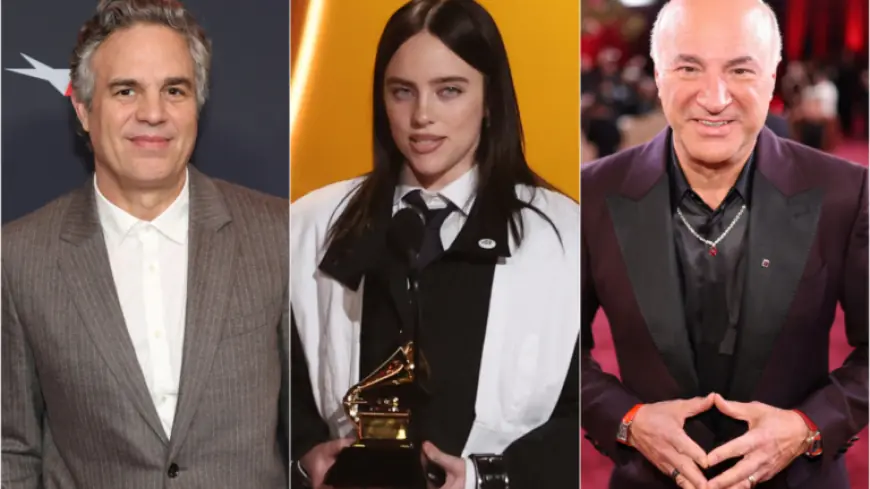
Mark Ruffalo, the renowned actor known for his activism, recently responded to Kevin O’Leary’s derogatory comments about Billie Eilish’s acceptance speech at the Grammys. O’Leary, a notable figure from the reality show “Shark Tank,” had criticized celebrities who engage in political discussions, insisting they should simply focus on entertaining.
Ruffalo’s Defense of Eilish
In response to O’Leary’s remarks, Ruffalo took to Threads on Thursday, February 5, to defend Eilish. The actor didn’t hold back, telling O’Leary, “why don’t you STFU,” highlighting the absurdity of O’Leary’s critique.
Ruffalo noted that while O’Leary often shares his opinions on various topics, he felt it was hypocritical for him to undermine Eilish’s powerful message, which resonated with millions. The actor emphasized the significant impact that art can have on social issues.
Eilish’s Powerful Message at the Grammys
During her acceptance speech for Song of the Year at the 2026 Grammys, Eilish used her platform to advocate for immigration rights. She declared, “No one is illegal on stolen land,” capturing the attention of the audience and viewers worldwide.
- Eilish’s powerful message emphasized the importance of speaking out and advocating for change.
- She expressed hope, urging listeners to keep fighting and acknowledging that “our voices really do matter.”
- Her speech concluded with a bold declaration: “Fuck ICE,” before leaving the stage.
Responses to O’Leary’s Critique
Following the intensity of Eilish’s speech, her brother Finneas also defended her on social media. He pointed out the outrage from influential figures in response to Eilish’s comments and suggested that their criticisms stem from a deep-seated privilege.
Finneas emphasized the generational divide by highlighting that the criticisms were coming from “very powerful old white men” regarding the statements made by his 24-year-old sister.
Conclusion
The exchange between Ruffalo and O’Leary illustrates the ongoing tension between public figures and the political implications of celebrity platforms. It raises important questions about the responsibilities of artists in advocating for social issues and how their messages are received by the public.
As the conversation continues, it’s clear that figures like Eilish and Ruffalo will not shy away from using their voices to address matters that are important to them and their audiences.