

























S&P 500 steadies after tech selloff as AI spending and delayed data stay in focus

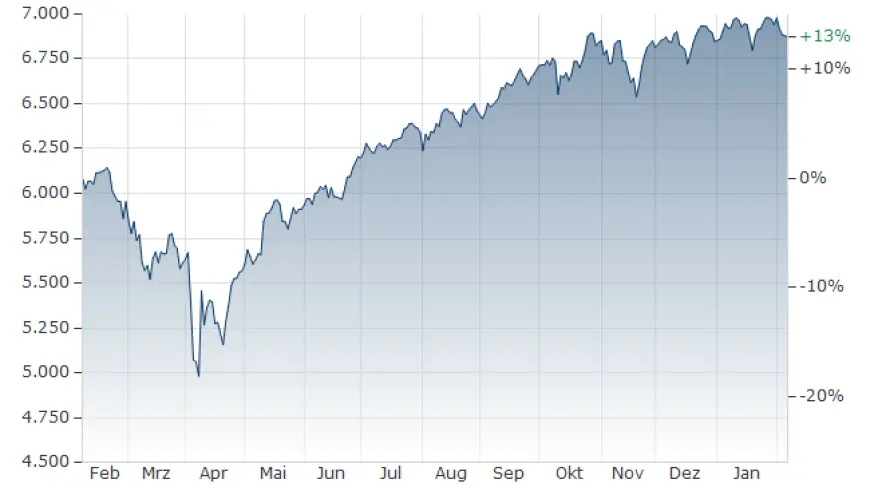
The S&P 500 rebounded in Friday trading after a sharp, tech-led slide earlier in the week, with investors weighing renewed enthusiasm for artificial intelligence against rising concerns about how quickly Big Tech spending is accelerating. The index was higher in late morning trading as chipmakers and software names bounced, even as broader sentiment stayed cautious ahead of rescheduled U.S. economic releases that could reset expectations for interest rates.
As of 10:45 a.m. ET on Friday, Feb. 6, 2026, SPY, a widely used S&P 500 tracking ETF, traded at about $686, up roughly 1.3% on the day.
| Snapshot (ET) | Level | Day move |
|---|---|---|
| S&P 500 (around 10:40 a.m.) | ~6,883 | up ~1% |
| SPY (10:45 a.m.) | ~$686.37 | up ~1.3% |
Tech bounces, but the week’s damage lingers
Friday’s move looked like a classic relief rally: heavily sold technology and growth names led, while defensives and value-oriented areas held steadier. Even with the rebound, the market’s recent action has highlighted how quickly leadership can shift when investors start questioning the price tag attached to the AI buildout.
The tension is straightforward. AI demand has been a major driver of earnings optimism and index performance, but the spending required to chase that demand is now large enough to raise hard questions about payback periods, margins, and what “normal” capital intensity looks like for the biggest platforms.
AI capital spending becomes the new pressure point
A major catalyst this week has been a fresh wave of corporate updates pointing to significantly higher spending plans tied to AI infrastructure and related projects. The market’s reaction has been uneven: some stocks rose on the view that the investment signals durable demand, while others fell as investors focused on the near-term hit to free cash flow.
For the S&P 500, that matters because the index remains heavily influenced by a small cluster of mega-cap names. When those companies move sharply—up or down—the entire benchmark can look stronger or weaker than the average stock underneath it.
Earnings season remains supportive, even with volatility
Despite the turbulence, earnings season has delivered a generally constructive backdrop. A large share of reporting companies have topped analyst expectations, helping keep the “soft landing” narrative alive and limiting the depth of drawdowns in the broader market.
Still, the market has shown less patience for results that are merely “good.” Guidance has become the deciding factor, especially for companies tied to AI, cloud spending, consumer demand, and advertising. That has produced bigger-than-usual post-earnings swings, which can translate into choppy index trading even when the overall earnings picture is fine.
Delayed jobs and inflation data complicate the Fed outlook
Macro traders are also dealing with an unusual wrinkle: key labor-market and inflation releases have been delayed after a recent partial government shutdown, pushing some of the most market-moving data into the coming week. That timing could increase sensitivity to each release because rate expectations have little fresh information to anchor them.
In practical terms, the S&P 500 is trying to balance three forces at once:
-
resilient growth signals and decent earnings,
-
uncertainty around the pace and payoff of AI investment,
-
a data calendar that may deliver multiple high-impact releases in a short span.
If next week’s numbers revive inflation concerns, yields could rise and weigh on valuations. If the data show cooling without deterioration, rate-cut expectations could firm and provide support.
What to watch next for the S&P 500
The near-term question is whether the index can reclaim and hold key psychological levels after slipping below recent support earlier this week. Traders will be watching how the market behaves on any further AI-related capex headlines, plus the tone of guidance from late reporters in tech, consumer, and industrial sectors.
The bigger tell will be breadth. If gains continue to broaden beyond a narrow slice of mega-cap tech—into financials, industrials, and smaller companies—the S&P 500 can stabilize even if a few giants wobble. If the rebound stays concentrated, the index may remain vulnerable to single-stock shocks.
Sources consulted: Reuters, The Associated Press, S&P Global Market Intelligence, MarketWatch