
























Alysa Liu Returns to the Olympic Spotlight as Team USA Takes Early Lead in Figure Skating at Milano-Cortina 2026

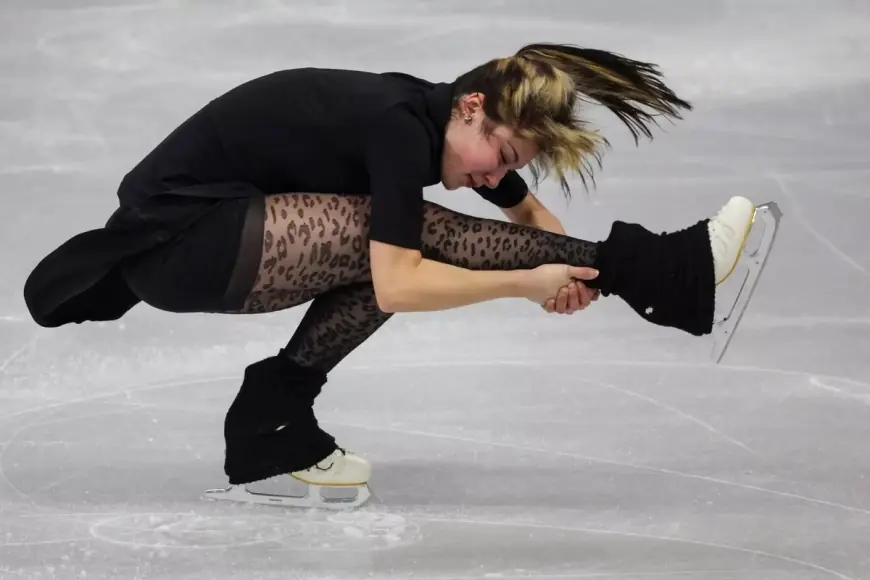
Alysa Liu is back on Olympic ice, and her first major moment at Milano-Cortina 2026 immediately changed the shape of the figure skating team event. On Friday, February 6, 2026, Liu delivered a confident women’s short program that scored 74.90 points, placing second in the segment and helping the United States move into first place overall after the opening day of team competition.
It is a high-impact return for a skater who stepped away from elite competition after the Beijing 2022 Winter Games and only later chose to rebuild her career on new terms. In a sport where momentum and confidence often matter as much as technical content, Liu’s performance signaled that her comeback is no longer a feel-good subplot. It is a factor in the medal race.
What happened in Alysa Liu’s Olympic team event skate
Liu’s short program was judged as one of the top two performances of the segment, trailing only Japan’s Kaori Sakamoto. The score was especially valuable because the Olympic team event is a points race: placements convert into team points, and every segment can swing the standings quickly.
The early standings also reflected strong contributions across disciplines. The United States built its lead with top-tier ice dance and solid work in pairs, creating breathing room heading into the remaining short programs that decide which five countries advance to the final round.
The immediate takeaway is simple: Liu did what the team needed on day one, and she did it under the kind of pressure that has derailed far more experienced skaters.
Behind the headline: why Liu’s return carries extra weight
Liu’s return is resonating because it sits at the intersection of sport, identity, and changing incentives in elite figure skating.
Context matters. Liu was once framed as a prodigy, then as a teen who walked away early, and now as a young adult who chose to come back after discovering that the sport could fit her life rather than consume it. That arc lands in a moment when many athletes are pushing back against the idea that the only “serious” path is nonstop competition from childhood through adulthood.
The incentives are clear for everyone involved:
-
For Liu, the incentive is control: competing because she wants to, not because she feels trapped by expectations.
-
For the United States, the incentive is stability: a reliable women’s entry can anchor the team event and reduce the risk of a single segment torpedoing medal hopes.
-
For the sport, the incentive is narrative and legitimacy: a comeback that succeeds suggests athletes can step away, grow, and return without being treated as broken or finished.
-
For sponsors and broadcasters, the incentive is attention: a recognizable name with a comeback storyline draws casual viewers into a format that can otherwise feel technical and hard to follow.
That combination turns a single short program into a cultural moment, not just a score.
What we still don’t know
The team event is only one part of Liu’s Olympic workload, and several questions remain unanswered as of Friday evening ET:
-
How her conditioning and consistency hold up as the schedule compresses and stakes rise
-
Whether she will increase technical difficulty in later segments or prioritize clean execution
-
How judging trends will evolve over the next two days, particularly around edge calls and under-rotation scrutiny
-
Whether the emotional intensity of being “back” turns into freedom or into added pressure once medals are on the line
These unknowns matter because comebacks can look effortless early and then become fragile when fatigue, expectations, and media attention stack up.
What happens next in the figure skating team event
The next competitive checkpoints are tightly scheduled, and the structure creates urgency.
Saturday, February 7, 2026, includes the men’s short program in the early afternoon ET, followed later by the start of the final round for the countries that qualify. Sunday, February 8, 2026, is when the team event concludes with the remaining free skates, including the women’s free skate in mid-afternoon ET.
For Team USA, the strategic question is how to deploy athletes to maximize points without overloading anyone ahead of individual events. For Liu specifically, the next step is about converting a strong short program moment into sustained reliability when medals are decided.
Why it matters
Liu’s performance is not just about a single segment placement. It is about what her presence does to the United States’ ceiling in a team event that often comes down to a handful of points. It is also a referendum on a newer athlete model: step away, rediscover the sport, return with clearer boundaries, and still compete at the highest level.
If Team USA medals, Liu’s skate on February 6 will be remembered as one of the early hinges. If they fall short, it will still stand as evidence that her comeback is real, competitive, and built for the biggest stage.