






















Billie Eilish Grammys 2026 speech sparks “stolen land” backlash and Tongva response

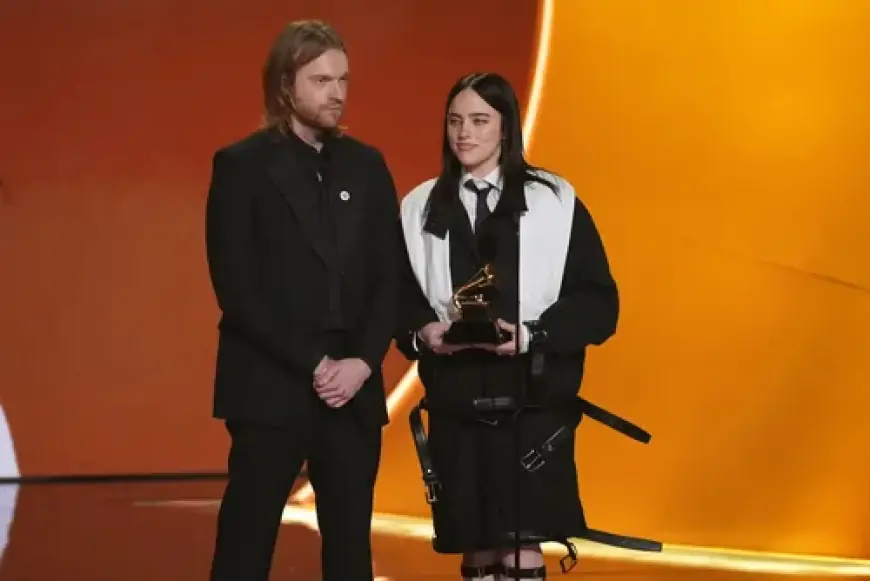
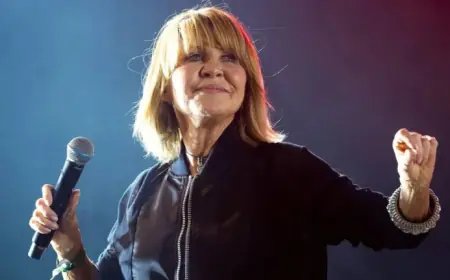
Billie Eilish’s biggest moment at the Grammys 2026 came with a flashpoint: after winning Song of the Year for “Wildflower,” she used her acceptance speech to condemn immigration enforcement and declared, “No one is illegal on stolen land.” The line drew loud applause in the room—and, within hours, a new controversy online focused on Indigenous land acknowledgments, celebrity activism, and whether symbolic language is matched by tangible action.
The debate widened further when representatives connected to the Tongva Tribe, whose ancestral territory includes much of the Los Angeles Basin, responded publicly to the attention around Eilish’s remark and her property.
What happened at the Grammys 2026 stage
On Sunday, February 1, 2026 (ET), Eilish accepted Song of the Year for “Wildflower,” a track associated with her album era that has remained a durable radio and streaming presence. Standing with her longtime collaborator and brother, she shifted quickly from gratitude to politics, urging people to keep speaking up and protesting, and criticizing immigration enforcement. Portions of her speech included language that was partially censored on broadcast.
The immediate story in the arena was simple: Eilish won a top category and used the spotlight to make a statement. The next-day story became more complicated: the phrase “stolen land” turned the focus to Indigenous sovereignty, specificity, and what it means for a celebrity to invoke that history while living on land tied to the same legacy.
Billie Eilish stolen land line and why it blew up
Eilish’s “stolen land” phrasing has circulated for years in activist spaces as a way to connect modern policy debates to colonization and displacement. What made it combust this week was context: the line was delivered at a high-profile awards show, paired with a direct anti-enforcement message, and clipped into short videos that traveled widely without nuance.
Critics framed it as performative. Supporters defended it as a morally direct statement of solidarity with immigrants and a reminder of historical realities. The gap between those readings widened as attention landed on Eilish’s personal wealth and real estate, turning a political comment into a lifestyle audit.
At the center of the blowback is a common tension: land acknowledgments can be meaningful, but they can also feel hollow when they leave out the specificity of whose land is being referenced—and when they are not paired with any visible action.
Tongva Tribe mentions and the specificity issue
As the conversation grew, Tongva community voices emphasized something more concrete than internet outrage: if public figures want to reference “stolen land,” they should name the people connected to that land clearly and accurately.
In public comments circulating this week, Tongva-linked statements welcomed broader visibility about Indigenous history while also noting that Eilish had not reached out directly. They underscored the importance of explicitly identifying Gabrieleno Tongva territory when discussing Los Angeles-area land, rather than relying on general phrases that flatten distinct nations into a single story.
That response shifted the discourse from “gotcha” politics toward a practical point: land language has consequences, and accuracy matters—especially in a city where Indigenous communities still exist, advocate, and organize.
Emily Austin’s viral criticism and the culture-war split
The controversy also became a proxy battle in a broader political divide. One of the most widely shared rebuttals came from Emily Austin, who posted a mocking reaction and framed Eilish’s message as out of touch. The post spread quickly, with supporters praising it as pushback against celebrities using televised moments for political statements, and detractors accusing it of minimizing the stakes of immigration enforcement.
The speed of the pile-on matters here: in the space of a day, a three-hour award show moment turned into a multi-issue argument about immigration policy, Indigenous land rights, celebrity hypocrisy, and the role of entertainment in public debate. None of those topics are new; the collision of them, in a single headline cycle, is what made this one stick.
“Wildflower” and what to watch next
“Wildflower” now carries two narratives at once: it’s the Song of the Year winner, and it’s tied to the speech that’s dominating discussion around Eilish this week.
Key takeaways to watch in the next few days:
-
Whether Eilish or her team makes any direct, specific acknowledgment of the Gabrieleno Tongva people tied to Los Angeles-area land.
-
Whether Indigenous groups use the moment to highlight concrete initiatives—funding, education, land access, or cultural preservation—beyond symbolic debate.
-
Whether the conversation fades into partisan noise or prompts a more careful public discussion about how “stolen land” language is used.
For now, the clearest reality is that one sentence reframed the post-Grammys narrative. Eilish’s supporters see a necessary stand; critics see selective moralizing. The Tongva-focused response adds a third lane: if you invoke the history, name the people—and get it right.
Sources consulted: Recording Academy, Time, Los Angeles Times, People