

























Bill Gates Epstein files reignite scrutiny as Nancy Mace seeks oath testimony

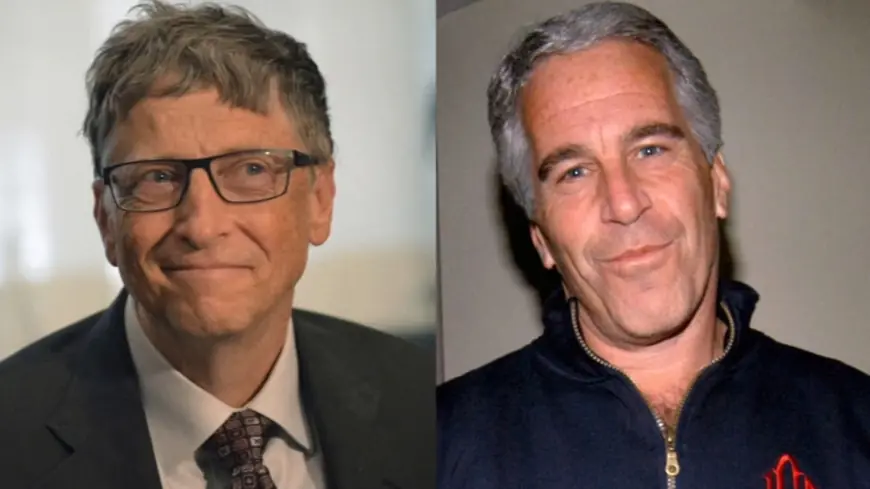
A newly expanded release of “Epstein files” has put Bill Gates back in the spotlight, mixing old questions about his meetings with Jeffrey Epstein with fresh political pressure and a renewed online swirl of conspiracy framing. The latest burst of attention also pulls in Melinda French Gates’ recent public remarks about the fallout from her former husband’s Epstein association, as well as new interest in business ties involving the Rothschild family.
The moment is being driven by two forces at once: newly organized government documents that make it easier for the public to sift through correspondence, and a fast-moving social-media ecosystem that turns fragments into narratives.
What the latest disclosure is and isn’t
The newest wave of material is being consumed like a “dump,” but it’s better understood as a large collection of documents presented and indexed in a way that invites mass searching. Some items reflect investigative threads, communications, and claims rather than adjudicated findings.
Key takeaways:
-
Appearing in the files does not, by itself, establish wrongdoing; documents can contain allegations, speculation, or incomplete context.
-
A real document can still describe claims that were never tested in court.
-
The most meaningful changes tend to come from newly surfaced communications, clearer indexing, or newly revealed business arrangements—not from viral screenshots.
Bill Gates Epstein files: what’s driving the new round of headlines
The current attention centers on newly publicized messages and claims attributed to Epstein that reference Gates and private medical matters, alongside Gates’ renewed public insistence that he did nothing illegal. Gates has described his past association with Epstein as a mistake and has pushed back on salacious claims circulating from the newly highlighted communications.
The political ripple has been immediate. Representative Nancy Mace has pressed for Gates to testify under oath before a House oversight panel about the nature of his relationship with Epstein, escalating the issue from public relations damage to a potential Capitol Hill confrontation.
What remains unclear publicly is how far lawmakers will go beyond letters and public demands—subpoenas, scheduling, and scope tend to move slower than the news cycle.
Melinda French Gates, fallout, and the personal dimension
Melinda French Gates has spoken recently about the emotional weight of the Epstein-related revelations and how they reopen painful memories tied to the marriage. Her remarks have been careful about legal specifics, but the throughline is unmistakable: she has framed the Epstein association as deeply troubling and sad, while emphasizing that questions about it belong to the people directly involved.
That posture matters in the broader story. The public tends to treat “the files” as a single narrative, but the real-world consequences land unevenly—on reputations, philanthropic work, and personal relationships—without necessarily producing new criminal cases.
When did Epstein die, and why the date still matters
Jeffrey Epstein died on August 10, 2019, inside the Metropolitan Correctional Center in New York while awaiting trial on federal sex trafficking charges. The official determination has been suicide, but the circumstances have been argued over for years—fueling recurring waves of speculation each time new records, reviews, or surveillance details re-enter public conversation.
The reason the death date still matters is practical: it marks the cutoff for Epstein’s direct communications and decisions, and it helps readers separate what happened during his life from what is retrospective interpretation, litigation, or institutional review.
Rothschild family references and what the documents highlight
The Rothschild family has surfaced in renewed coverage because recently highlighted documents describe a paid business relationship involving a Rothschild-affiliated banking group and Epstein’s advisory work. The focus is less on criminal allegations and more on how Epstein positioned himself as a connector and intermediary in elite financial and social circles, even after his prior conviction was widely known.
The material has also sparked renewed debate about due diligence and reputational risk: how institutions and prominent individuals assessed the downside of engaging with Epstein—and what they believed they were getting in exchange.
Publicly available descriptions of the relationship emphasize consulting-style services, introductions, and strategic advice. What’s not publicly established is any evidence tying the banking relationship to Epstein’s sex trafficking crimes.
“Eyes Wide Shut” and the conspiracy framing problem
Online, “Eyes Wide Shut” has become shorthand for a secretive elite club narrative—especially in posts that treat every mention of a famous name as proof of a coordinated cover-up. The files are being used as raw material for that frame: redactions become “proof,” social proximity becomes “membership,” and a document’s existence becomes a verdict.
The more grounded way to read the moment is simpler: large document releases make it easier to connect dots, but they also make it easier to overfit patterns. The next meaningful developments will come from concrete steps—whether lawmakers actually compel testimony, whether any civil proceedings surface new sworn statements, and whether official releases continue to add searchable, verifiable material.
Sources consulted: Reuters, ABC News, U.S. Department of Justice Office of Inspector General, Forbes