






















Bucks–Suns trade sends Cole Anthony and Amir Coffey to Phoenix

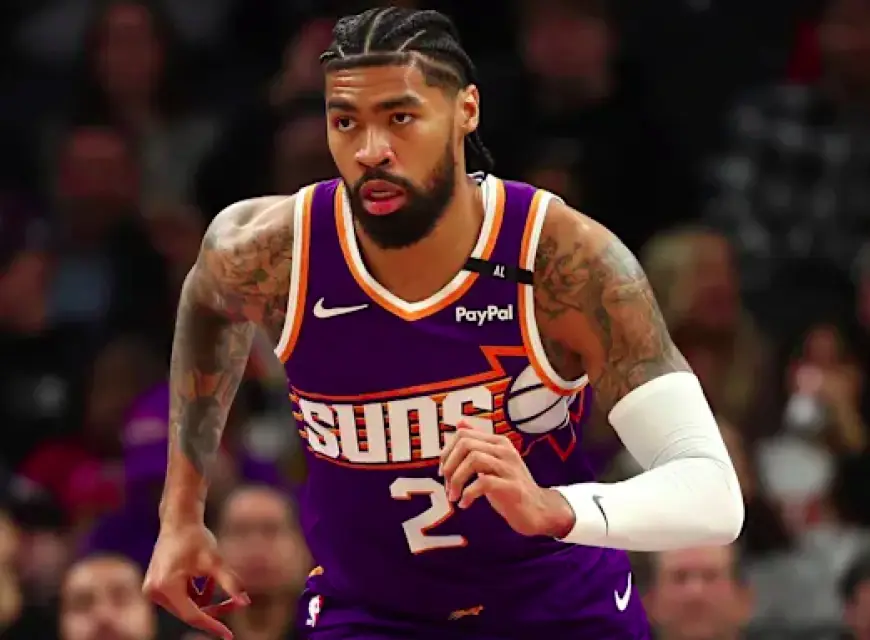
With the NBA trade deadline set for 3 p.m. ET on Thursday, Feb. 5, Milwaukee and Phoenix completed a straightforward swap designed to solve different problems: the Bucks needed size and a true center option, while the Suns needed guard depth and salary flexibility. The deal sends Cole Anthony and Amir Coffey to the Suns, with Nick Richards and Nigel Hayes-Davis headed to the Bucks.
What the trade is, and why it happened now
Milwaukee’s motivation is clear on the roster: a reliable, physical center who can soak up regular-season minutes and cover matchups where small-ball lineups get punished. Richards fits that need as a rim-running big who can rebound and protect the paint.
Phoenix’s motivation is equally clear: more ballhandling and shot creation behind its stars, plus a wing body in Coffey. Just as important, the structure helps Phoenix manage the tax line and keep options open for additional moves before the deadline.
Milwaukee’s side: Nick Richards solves a positional hole
Richards gives the Bucks a conventional center look—screening, vertical spacing, and defensive size—without asking the team to overhaul its identity. The value here isn’t only what he does in a perfect playoff matchup; it’s also what he does in February and March when rotations get stretched and defensive rebounding swings close games.
Nigel Hayes-Davis is the “swing” piece for Milwaukee. He’s a strong-bodied forward who has been productive overseas and now gets another NBA runway. The Bucks don’t need him to be a star; they need him to compete, defend, and survive possessions on the wing when lineups get thin.
Phoenix’s side: Cole Anthony adds pace and creation
For the Suns, Anthony is the headline. He’s a guard who can push tempo, pressure the rim, and create his own shot—traits Phoenix has leaned on in stretches when the offense bogs down or the second unit needs a spark. The key will be role definition: Anthony is most effective when he has the ball, so Phoenix will need a clear plan for how he’s staggered with primary creators.
Coffey is a practical add-on: wing size, a willingness to defend, and a plug-and-play style that can work in multiple lineup combinations. He’s not arriving as a focal point—he’s arriving as a minutes-eater who can keep the system intact.
Contract and roster math that shaped the deal
Anthony’s contract was one of the reasons he was movable: a meaningful one-year salary slot that can be rerouted without long-term commitment. Coffey’s deal is smaller and easier to absorb. Richards comes in as a cost-controlled big relative to the impact of simply having a center available every night.
The transaction also reflects a deadline reality: contenders often pay for clean positional fixes, while teams managing the tax line prize contracts they can move without losing talent at the top of the roster.
| Team | Incoming | Outgoing | Primary goal |
|---|---|---|---|
| Bucks | Nick Richards, Nigel Hayes-Davis | Cole Anthony, Amir Coffey | Add size and center depth |
| Suns | Cole Anthony, Amir Coffey | Nick Richards, Nigel Hayes-Davis | Add guard creation, manage flexibility |
What to watch next after this move
Two immediate questions will decide how this looks by the end of March:
-
How Phoenix uses Anthony: If he’s paired with lineups that maximize his downhill pressure and limit “your turn, my turn” possessions, his impact can show quickly.
-
Richards’ minutes in Milwaukee: If he reliably absorbs center minutes and improves rebounding outcomes, the trade has already done its job before the postseason even starts.
-
Hayes-Davis’ role: If he earns real rotation time, Milwaukee effectively found an extra wing body without paying a premium elsewhere.
The deadline is still live, so this could also be a first domino. Phoenix may still look for another defensive piece, and Milwaukee could continue shopping for shooting or another perimeter defender now that it has addressed the frontcourt.
Sources consulted: NBA.com, ESPN, Hoops Rumors, Spotrac