

























Jensen Huang: Forcing ROI on AI is Like a Hobbyist Drafting a Business Plan

The landscape of artificial intelligence (AI) is cluttered with significant challenges, highlighted by a troubling statistic: 95% of generative AI pilots fail. This data emerged from a study by MIT in August 2025, prompting concerns about the efficacy of corporate AI initiatives. Approximately six months later, a survey by PwC revealed that 56% of CEOs reported receiving “nothing” from their AI adoption efforts.
Jensen Huang Advocates for a Creative Approach to AI Implementation
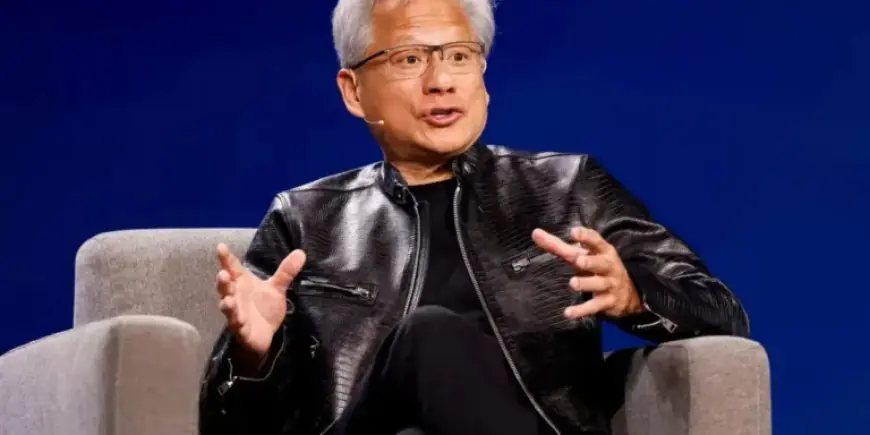
Amid this backdrop, Nvidia CEO Jensen Huang delivered a compelling message at the Cisco AI Summit. His philosophy diverged from traditional corporate tactics, urging companies to embrace a more experimental mindset. He suggested that the fixation on immediate returns on investment (ROI) restricts innovation.
Huang likened corporate innovation to parenting, stating, “I want the same thing for my company that I want for my kids: Go explore life.” He emphasized the importance of permitting engineers to experiment without the pressure of justifying their efforts through financial success.
The Case for Messy Experimentation
In a discussion with Cisco CEO Chuck Robbins, Huang dismissed the idea of demanding immediate results. He stated that controlling innovation is ultimately an illusion, advocating instead for a culture that allows for diverse ideas to flourish. “The number of different AI projects in our company is out of control, and it’s great,” he said, supporting his argument for risk management through diversification.
- Letting ideas flourish can prevent premature investment in uncertain technologies.
- Messy experimentation encourages creativity within an organization.
Understanding the Technology
Huang pressed the importance of gaining hands-on experience with AI technologies. He insisted that leaders should not solely rely on cloud solutions or finished products. By personally engaging with the technology, such as building computers, executives can gain valuable insights.
“Lift the hood, change the oil, understand all the components,” Huang advised. This approach relates not only to product knowledge but also to data privacy and intellectual property.
The Shift from Explicit to Implicit Programming
A significant shift is occurring in the computing world, transitioning from explicit programming to implicit programming. In this new paradigm, users communicate their intentions, allowing AI to devise solutions. Huang noted, “Typing is a commodity,” emphasizing that the true value rests in domain expertise and guiding AI effectively.
Furthermore, Huang encouraged integrating AI into workplace processes. Instead of focusing on keeping humans in the loop, the priority should be on ensuring AI is integrated into every facet of operation. This tactic allows organizations to harness employee experiences, transforming everyday tasks into valuable corporate knowledge.
Conclusion
In conclusion, Jensen Huang’s insights advocate for a balanced approach to AI implementation. By fostering a culture that encourages exploration and questioning, companies can navigate the complexities of AI and ultimately thrive in this evolving landscape. Innovation requires freedom and curiosity—let the flowers bloom in your organization.