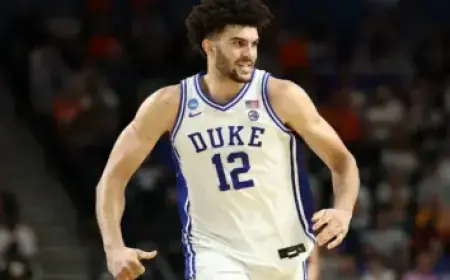





















Chicago Bulls Trade Dalen Terry for Guerschon Yabusele: What the Deadline Swap Means for Bulls Rotation and Knicks Depth

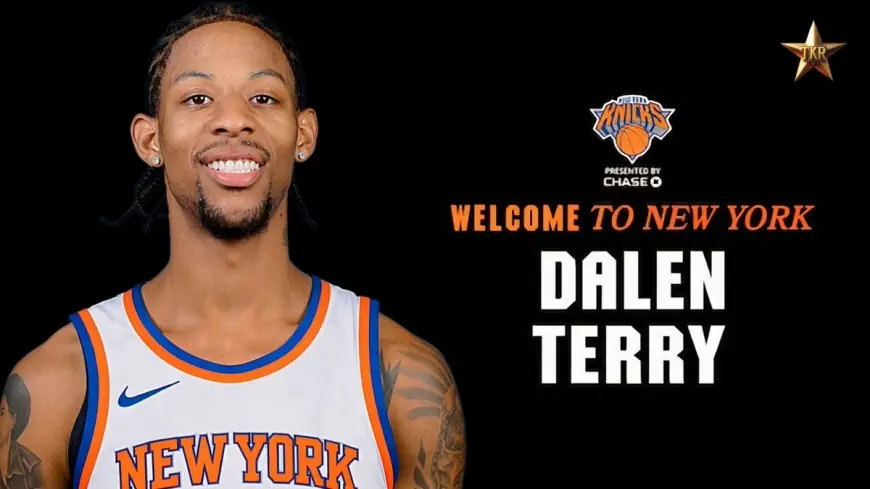
The Chicago Bulls reshuffled their roster ahead of the NBA trade deadline, sending guard Dalen Terry to the New York Knicks in exchange for forward Guerschon Yabusele. The one-for-one move, completed on February 5, 2026 ET, is a classic deadline trade: Chicago adds size and frontcourt flexibility, while New York adds a young, energetic perimeter defender on an expiring deal.
This is not a blockbuster. But it is the kind of transaction that can change nightly rotations, reshape cap planning, and signal what each front office values over the final stretch of the season.
What happened: Dalen Terry out, Guerschon Yabusele in
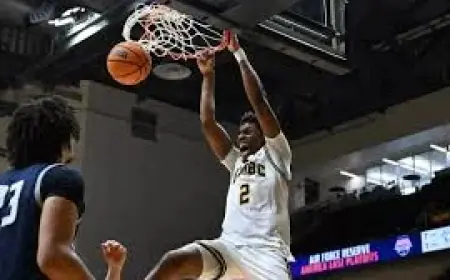
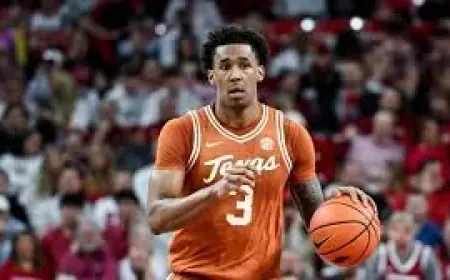
Chicago dealt Terry, a former first-round pick who has carved out minutes as a hustle wing and occasional spot-up threat, for Yabusele, a sturdy forward with a reputation for physical play and lineup versatility. For the Bulls, the immediate appeal is straightforward: they get a bigger body who can play minutes at the four, absorb contact, and help stabilize bench units that can get overpowered.
For the Knicks, the appeal is equally practical: Terry offers guard and wing depth, on-ball pressure, and a player whose contract structure keeps future flexibility intact.
Behind the headline: why the Bulls made this trade now
The Bulls’ roster has leaned guard-heavy, and deadline season often turns that imbalance into action. When a team has extra guards and not enough reliable frontcourt options, it becomes harder to match up over an 82-game grind, especially against bigger teams and second units that punish small lineups. Yabusele addresses that in the simplest way possible: add a forward who can battle, set screens, and play in more rugged possessions.
There is also an incentives angle. Deadline deals are rarely only about tonight’s rotation. They are also about cost control and optionality:
-
If Chicago believes its guard logjam limits development and trade flexibility, moving Terry creates a cleaner runway for remaining backcourt pieces.
-
Yabusele’s contract situation, including a future decision point, gives the Bulls a defined timeline to evaluate fit without making a long, open-ended commitment.
Behind the headline: why the Knicks did it
New York’s incentive is depth, stability, and financial flexibility. Terry fits a common contender profile: playable defense, energy, low-usage offense, and the ability to survive minutes without needing plays called for him. That matters most in the regular season when injuries, rest, and foul trouble constantly test the bottom of the rotation.
The contract element matters too. Taking back an expiring deal can function like a reset button for future roster construction, especially if the front office wants to preserve options for the offseason.
How Guerschon Yabusele fits with the Chicago Bulls
Yabusele’s best-case role in Chicago is as a physical bench forward who can:
-
Guard bigger wings and some small-ball centers in short bursts
-
Rebound in traffic and keep possessions alive
-
Add screening and interior presence that helps guards operate
-
Play lineups that let the Bulls toggle between speed and size depending on opponent
The most important question is not box-score production. It is whether his minutes solve a specific problem: can the Bulls survive non-starter stretches without getting pushed around, and can they close defensive possessions with rebounds?
How Dalen Terry fits with the Knicks
Terry is still young enough that incremental growth matters, but his clearest value is immediate utility:
-
Point-of-attack defense and disruptive activity
-
Secondary ballhandling in low-pressure stretches
-
Spacing that has improved in pockets, making him harder to ignore in the corners
-
A willingness to do the small jobs that keep a rotation functional
In a playoff chase, that type of player can swing a regular-season game or two simply by stabilizing minutes when the offense bogs down or when foul trouble hits.
What we still don’t know
Several missing pieces will determine whether this trade “works”:
-
Role clarity: How many minutes will Yabusele actually get, and at whose expense?
-
Lineup chemistry: Does Yabusele complement Chicago’s primary creators, or clog driving lanes?
-
Terry’s usage: Will New York treat him as pure depth, or will he earn a real rotation role quickly?
-
Future decisions: How each team handles the next contract checkpoint will shape whether this was a short-term patch or part of a longer plan.
What happens next: realistic scenarios and triggers
-
Yabusele becomes a steady 15 to 20 minute rotation forward
Trigger: Chicago prioritizes size in second units and he holds up defensively. -
Yabusele plays situationally based on matchups
Trigger: Opponent size dictates his minutes, with smaller lineups favored against faster teams. -
Terry earns a defensive specialist role for the Knicks
Trigger: He consistently changes the tempo with ball pressure and does not become an offensive liability. -
Terry remains depth unless injuries force him into bigger minutes
Trigger: The Knicks stay healthy and keep their primary perimeter rotation intact. -
Both teams treat this as a financial and flexibility play more than an on-court swing
Trigger: Minutes remain inconsistent, but the cap and roster pathways improve for the offseason.
Why it matters
Deadline trades like Bulls-Knicks, Terry-for-Yabusele, reveal priorities. Chicago is signaling it wants sturdier frontcourt options and more lineup balance. New York is signaling it wants reliable perimeter depth and cleaner future flexibility. The next two weeks will show the real outcome: not the headline, but the rotation patterns, the closing lineups, and which player becomes trusted when games tighten in March and April.