























GloRilla’s 2026 Moment: Grammy-Nominated Momentum, NBA All-Star Celebrity Game Spotlight, and a Bigger Pop-Culture Pivot

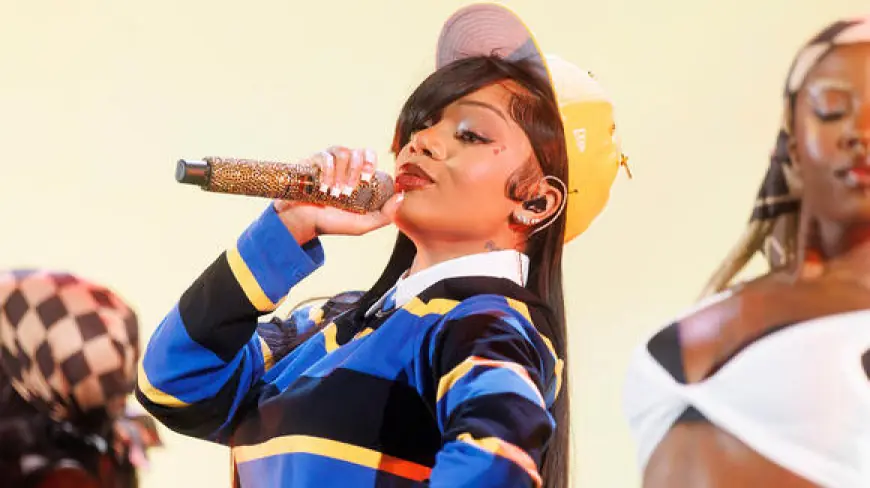
GloRilla is entering mid-February 2026 with her profile expanding in three directions at once: major-awards credibility, mainstream sports visibility, and a personal-life storyline that is increasingly difficult for the public to separate from her brand. The Memphis rapper, born Gloria Hallelujah Woods, just came off a Grammy season that elevated her from breakout to institution-in-the-making, and she is scheduled for a primetime appearance at the NBA All-Star Celebrity Game next week.
What happened: GloRilla’s latest headline drivers
In recent days, GloRilla’s name has been tied to the 2026 Grammys after her debut studio album, Glorious, was nominated for Best Rap Album. She did not win the category, but the nomination itself signals a shift: the industry is now treating her work as album-level, not just single-driven.
On the sports side, the NBA has listed GloRilla among the participants for the 2026 NBA All-Star Celebrity Game, scheduled for Friday, February 13, 2026 at 7:00 p.m. ET at the Kia Forum in Inglewood, California. For an artist, that stage is less about basketball skill and more about visibility: a live, family-friendly broadcast window that reaches casual viewers who may not follow rap releases closely.
Why it matters: the incentives behind the spotlight
The incentives line up cleanly.
For GloRilla, awards recognition increases leverage: bigger performance fees, stronger negotiating power for tour routing, and higher-value brand partnerships. The celebrity game appearance adds a different kind of legitimacy: the message is that she is not only a music act, but a recognizable personality who can carry a mainstream moment without requiring context.
For the league, the incentive is cultural relevance. Celebrity games work when the roster feels current and cross-demographic, and music stars who can generate conversation are a core part of that formula.
The music story: Grammy attention without a trophy
The Grammy nomination for Glorious matters because it cements GloRilla’s place in a competitive era for rap. Being nominated without winning is not a dead end; it often becomes fuel. Artists who miss on the first major attempt frequently return with tighter rollouts, more deliberate collaborations, and clearer album identity.
Behind the headline, the bigger shift is how she is being categorized. GloRilla built momentum on singles and viral energy, but awards voters typically reward cohesion, narrative, and range. A nomination suggests her team is successfully translating her personality into an album statement that reads as more than a collection of hits.
The sports crossover: what the Celebrity Game does for her brand
The All-Star Celebrity Game is a branding accelerator because it reframes an artist’s public identity in a low-stakes environment. If she’s funny, competitive, and camera-ready, she wins a new kind of fan. If she looks uncomfortable, it can feel like a forced crossover.
The second-order effect is more important: sports visibility can soften the friction some mainstream gatekeepers still feel toward rap, while simultaneously introducing her music to audiences who discover artists through cultural moments rather than playlists.
Personal-life attention: the Brandon Ingram factor
GloRilla has also been linked publicly to NBA player Brandon Ingram, adding another layer of attention as she moves through a sports-heavy calendar. When a musician’s relationship overlaps with the sports ecosystem, it tends to amplify everything: courtside sightings become headlines, lyrics get interpreted as coded messages, and normal privacy boundaries shrink.
The incentive mismatch is worth noting. Fans often treat celebrity relationships as content, while the people inside them typically want normalcy. That tension can create its own storyline even when neither person is actively trying to feed it.
What we still don’t know
Several pieces will determine whether this becomes a sustained 2026 arc or a short spike of attention:
-
Whether GloRilla uses the All-Star window to launch new music or simply enjoy the moment
-
Whether she adds major spring tour dates beyond festival-style appearances that are already on calendars
-
Whether her next release doubles down on her hardest rap lane or leans into a more crossover-friendly sound
-
How aggressively she and her team choose to manage public curiosity about her personal life
What happens next: realistic scenarios and triggers
-
A new single lands within days of All-Star Weekend
Trigger: maximizing mainstream visibility while attention is already high. -
A major festival run becomes the core strategy
Trigger: consolidating demand into high-impact dates while keeping flexibility for releases. -
A collaboration wave follows the Grammy nomination
Trigger: peers and producers see her as a safe bet for both impact and conversation. -
The spotlight shifts from music to narrative
Trigger: personal-life coverage crowds out the work, forcing her team to re-center the story. -
A “return season” campaign builds for the next awards cycle
Trigger: using the nomination as proof of status, then aiming for a more polished, concept-driven album follow-up.
GloRilla’s near-term calendar is a snapshot of modern stardom: music credibility, sports-stage visibility, and pop-culture scrutiny all arriving at once. The next two weeks, especially February 13 at 7:00 p.m. ET, will show whether she can convert that convergence into a longer runway for 2026.