





















Braves Plan Independent Network Following Main Street Sports Departure

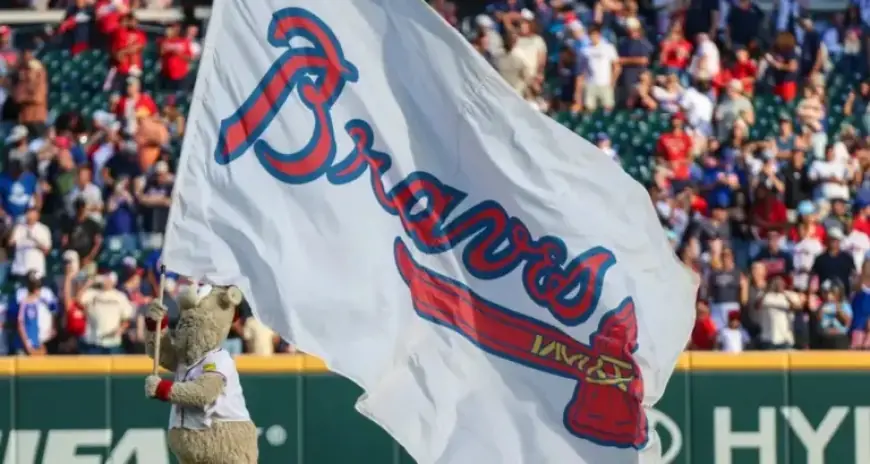
Atlanta’s Braves are embarking on a new journey. The team plans to launch its own independent network after terminating its contract with Main Street Sports. Reports indicate a possible alignment with a national streaming platform or a model similar to the Texas Rangers Sports Network.
Background on the Departure from Main Street Sports
All nine MLB teams that were under contract with Main Street Sports for the 2026 season have recently canceled their agreements. This decision comes amid growing concerns regarding the network’s financial stability. Analysts warn of a potential Chapter 7 liquidation for Main Street Sports, which may further complicate future broadcasting rights.
Potential Plans for an Independent Network
The Braves are considering a blueprint similar to the Rangers Sports Network. This model includes:
- Direct partnerships with cable and satellite providers.
- A streaming component to reach wider audiences.
- Local over-the-air broadcast partnerships.
Time is the team’s biggest challenge. With spring training starting in a month, building an independent network typically requires significant lead time for negotiations, production setup, and staffing.
Short-Term Solutions
One option for the Braves is to transfer their broadcasting rights to MLB for the 2026 season. This would allow them to focus on developing their network by 2027. Alternatively, they might launch a basic version of their network for the upcoming season, gradually enhancing it over time.
Existing Infrastructure and Partnerships
Atlanta already possesses some media infrastructure. In 2025, the Braves collaborated with Gray Media to broadcast 15 games on Peachtree TV. This partnership expanded their audience reach to 15 million homes across several southeastern markets, including:
- Memphis
- Nashville
- Charlotte
Gray Media additionally holds exclusive rights to 10 spring training games, which could serve as a foundation for the Braves’ future network.
Negotiating Broadcasting Deals
Success hinges on the Braves’ ability to negotiate carriage agreements with major distributors like DirecTV and Spectrum quickly. The current landscape poses challenges, as distributors hold significant leverage over teams, especially as traditional regional sports networks (RSNs) face declining viability.
Moving Forward in a Changing Landscape
The Braves’ decision emphasizes their status as one of baseball’s most valuable franchises. Their strong brand and consistent performance on the field provide a solid foundation for negotiating better terms. However, they face competition from the MLB’s centralized broadcasting strategy, which intends to streamline local rights by 2028 through deals with tech companies or streaming services.
As the Braves prepare to launch their independent network, they will serve as a vital test case in the evolving sports media landscape. Their success could influence other franchises—especially those outside major markets—with similar aspirations. If the Braves manage to maintain revenues close to their previous RSN agreements, they could set a precedent for others looking to control their own media destinies.