






















Ja Morant trade chatter spikes as Memphis weighs a bigger reset

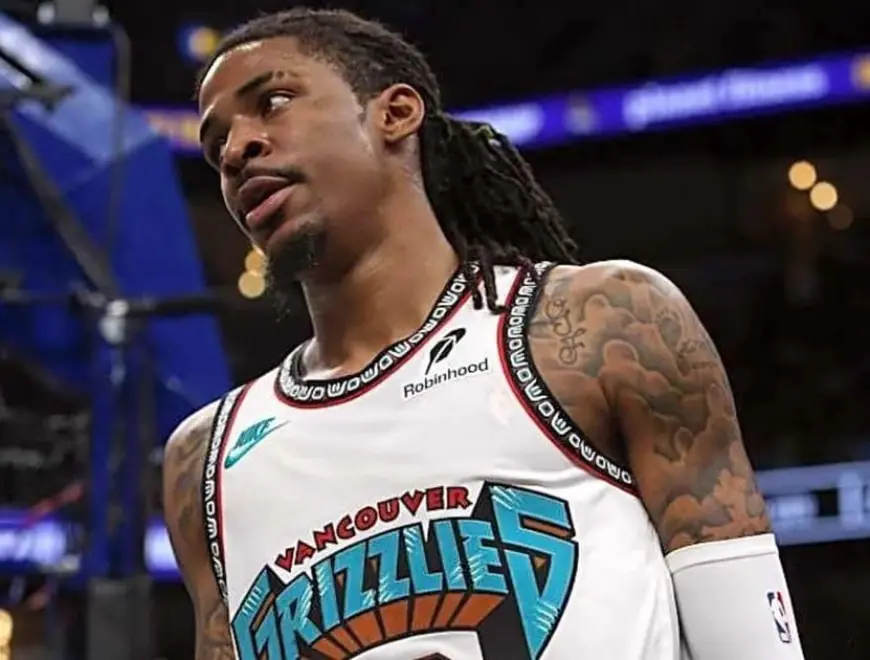
With the NBA trade deadline set for Thursday, Feb. 5, 2026 at 3:00 p.m. ET, the league’s loudest “will they, won’t they” story centers on Ja Morant and the direction of the Memphis Grizzlies. The team’s decision to move Jaren Jackson Jr. in a multi-player, pick-heavy deal this week has sharpened the perception that Memphis is at least open to a deeper retool—one that could include its franchise point guard.
No trade involving Morant has been completed as of Wednesday, Feb. 4, 2026 (ET). But the combination of roster changes, contract realities, and Memphis’ position in the standings has turned Morant from a rumor magnet into a genuine deadline swing piece.
Why the Morant conversation is back now
Memphis’ roster activity has changed the tone of negotiations around the league. Trading a cornerstone big man signals more than “small tweaks,” and it naturally leads rival executives to ask whether the Grizzlies’ timeline has shifted.
There’s also a simple leverage dynamic: once a team shows willingness to move a star, competitors test the limits. Some calls are speculative, some are serious, and most are designed to find out whether Memphis is truly willing to part with Morant—or only wants to listen and reset the market.
What Memphis can realistically get for him
Morant is still young enough to build around and productive enough to alter a contender’s ceiling. At the same time, a trade package would have to reflect both upside and risk.
On the upside, acquiring Morant can instantly upgrade a team’s creation, rim pressure, and transition attack. On the risk side, potential buyers must price in availability and continuity—whether injuries and off-court turbulence are behind him, and whether a new environment will stabilize everything.
That usually leads to offers built around some combination of:
-
multiple first-round picks (often with protections),
-
young rotation players on ascending deals,
-
and salary ballast to satisfy cap rules.
Memphis’ position is strengthened if more than one team is bidding. If the market is thin, the Grizzlies can simply keep him—especially since his contract allows them to wait.
Morant’s stance and the locker-room layer
Morant has publicly framed himself as loyal to Memphis and has pushed back on the idea that he wants out. That matters because the league often distinguishes between “team exploring options” and “player forcing a move.” The first can be a controlled negotiation; the second can become destabilizing.
Still, public statements don’t always resolve private timelines. Teams can explore deals without a formal request, especially if they believe a reset is needed or if relationships have been strained internally. For Memphis, the question is whether keeping Morant is the best path to contention again—or whether moving him is the cleanest way to restart with draft capital and financial flexibility.
The contract and injury context teams are pricing in
Morant’s contract is large and long enough to shape any deal: it isn’t a short-term rental. That can be attractive (cost certainty for a star) or daunting (little escape hatch if things don’t work). His recent availability has also been a factor this season, with stretches missed due to a calf issue among other health concerns raised in recent coverage.
For buyers, it becomes a medical-and-fit calculus: how confident are they that Morant will be healthy when it matters, and how well does his style pair with the roster already in place?
| Item | Where it stands (ET) | Why it matters |
|---|---|---|
| Deadline | Feb. 5, 2026 — 3:00 p.m. | Negotiations compress into final hours |
| Memphis direction | Post–Jackson Jr. deal, more fluid | Signals willingness to reshape the core |
| Morant’s contract | Runs through 2027–28 | Long-term commitment for any buyer |
| Current status | No trade completed as of Feb. 4 | Sets stage for late-buzzer activity |
Which teams make sense and what a deal would require
Teams that consider a Morant trade generally fall into two buckets:
1) “One-star-away” playoff teams that already defend well and need a lead creator. They can justify paying picks because Morant would solve their biggest half-court problem.
2) Teams with surplus assets—extra first-rounders, young prospects, or both—who can outbid rivals without gutting the rotation.
What complicates matters is that Morant’s arrival often forces second-order moves. A team might need to add shooting, adjust the defensive scheme to protect smaller guards, or flip another ballhandler to avoid redundancy. Those chain reactions can make a deal harder to finalize in the final 24 hours.
What to watch between now and the buzzer
Three signals tend to determine whether a blockbuster happens:
-
If Memphis sets a firm price publicly through backchannels. Once the league hears “this is the minimum,” the process speeds up.
-
If a second suitor emerges. One bidder often yields “fair” offers; two bidders can create “overpay” territory.
-
If Memphis chooses clarity. Keeping Morant through the deadline is also a statement: the team can retool later, when the offseason market is wider and medical clarity is greater.
For now, the story is less about a specific destination and more about timing and leverage. If Memphis believes a true franchise-reset is necessary, Morant is the last and biggest domino. If the team believes it can pivot back to contention with a different supporting cast, it may ride out the noise and revisit everything in the summer.
Sources consulted: Reuters; Associated Press; NBA.com; ESPN