
























Elon Musk Crafts a $1.8 Trillion Space Powerhouse

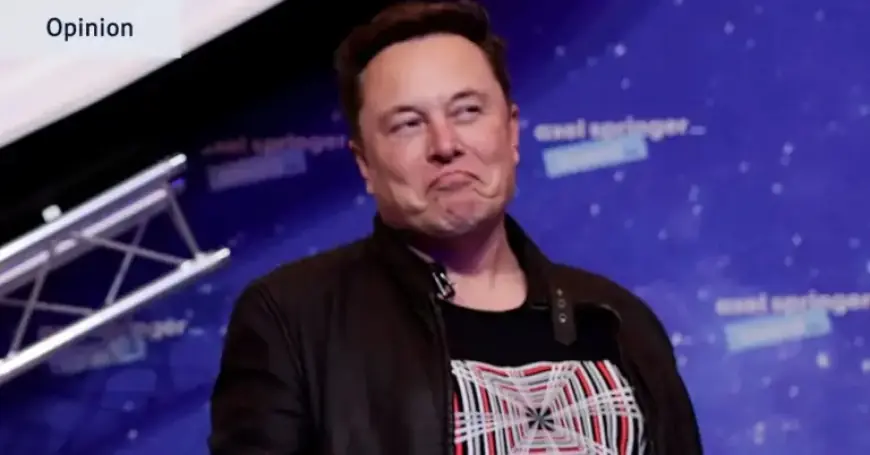
Elon Musk has orchestrated a substantial merger between SpaceX and xAI, valuing the combined entity at approximately $1.25 trillion ($1.8 trillion). This move follows a series of financial maneuvers where Musk’s companies interlinked for capital support, particularly as xAI has faced significant cash flow challenges.
Background on Financial Maneuvers
In 2025, xAI received a $2 billion infusion from Tesla, as Musk sought to address its financial burn of over $1 billion monthly. Tesla, with around $44 billion in cash, diverted attention from its core electric vehicle production to develop robotaxis and robotics solutions. This shift arguably influenced the decision to merge xAI with SpaceX instead of pursuing a Tesla acquisition.
SpaceX and xAI Merger Details
The merger’s implications are vast. SpaceX, which aims to float on the stock market this year with a potential valuation of $800 billion, now plays a crucial role in funding xAI’s operations. The combined valuation reflects a significant surge from previous estimates, including a mere $250 billion valuation for xAI and $1 trillion for SpaceX. Observers speculate that the IPO could ultimately yield a valuation reaching $1.5 trillion.
AI Sector’s Demand for Capital
The AI industry is witnessing an unprecedented demand for capital, with projected spending of around $500 billion over the next three years among major players. Companies like Google, Amazon, Meta, and Microsoft are balancing massive cash flows from their existing businesses with investments in AI. In contrast, startups like xAI are increasingly reliant on equity rounds and debt issues.
The Rationale Behind the Merger
Musk envisions that the future of AI computation could reside in space, suggesting that SpaceX would integrate AI data centers aboard its rockets. He argues this would lead to cost efficiencies and enhance computational speeds. Despite his visionary claims, the logistical challenges and unprecedented costs remain a critical concern.
Future Projections and Industry Implications
As the AI sector continues to grow, there is speculation about potential consolidation or the failure of weaker entities. The merger with SpaceX aims to position xAI in the market strategically, although the lack of immediate synergies between xAI, SpaceX’s rocket launches, and the social media platform X raises questions about the practical integration of the two entities.
Musk’s Vision in Question
Musk’s ideas about deploying data centers in space reflect bold ambitions; however, the feasibility of such astronomical projects is uncertain. SpaceX’s profitability—generated from over $2 billion in cash flow last year—could support xAI but only if it addresses its higher-than-expected operating costs.
The Potential for a Musk Conglomerate
If capital requirements at xAI continue to exceed SpaceX’s revenue generation, Musk may look to Tesla as an additional source of funding, potentially forming a broader conglomerate under Musk Inc. Investors will be keenly watching how these developments unfold, particularly with a record-setting IPO on the horizon.
Conclusion
As Musk combines SpaceX with xAI, the industry’s appetite for capital, coupled with innovative technological ventures, suggests a complex and evolving landscape. The merger positioning could signal a transformative period for both companies and the broader AI sector.