

























Sarah Ferguson faces renewed scrutiny as charity closes amid newly released Epstein emails

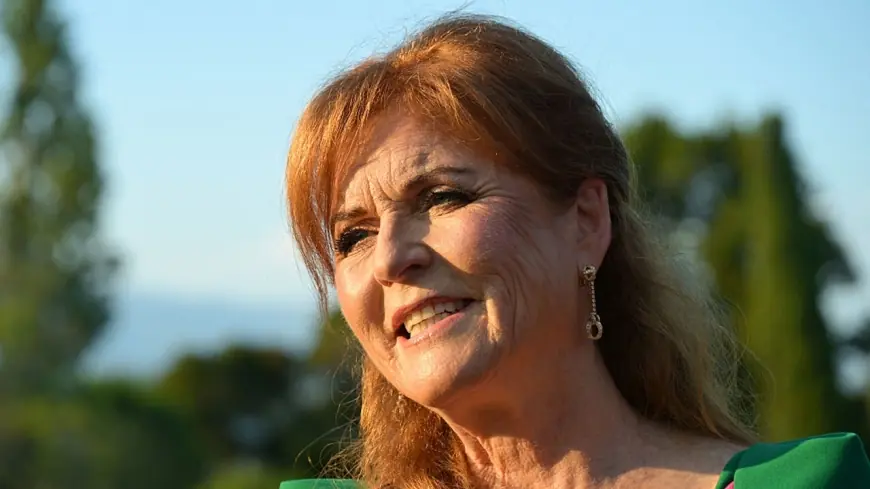
Sarah Ferguson is back at the center of a fast-moving royal controversy after newly released U.S. Justice Department documents detailed a warmer and longer-running relationship with Jeffrey Epstein than previously known. Within days, the charity she founded in 2020 confirmed it will close, and the fallout has spilled into wider questions about reputational risk, philanthropy governance, and the York family’s place on the edge of public life.
Sarah Ferguson charity moves to shut down
On Tuesday, Feb. 3, 2026 (ET), Sarah’s Trust — the charity established by Ferguson — said it will close “for the foreseeable future,” after trustees concluded the organization could not continue under the weight of renewed attention and partner unease. The group said it had been weighing its future for months, but the timing has made the decision inseparable from the latest disclosures.
Sarah’s Trust had promoted an international portfolio of partnerships since launching during the pandemic era, including emergency relief and support programs that it said reached multiple countries. That track record is now being re-litigated through the lens of governance: how a founder’s personal controversy can overwhelm an organization’s mission, fundraising, and relationships, even when the charity itself is not accused of wrongdoing.
What the newly released emails show
The newly public emails include messages in which Ferguson expresses gratitude and warmth toward Epstein and discusses introductions and opportunities, language that has intensified criticism because it appears to extend beyond casual acquaintance. Some of the material includes crude remarks that have widened the backlash, not only because of tone but because they touch on family.
There is no public allegation that Ferguson participated in criminal activity. The issue driving headlines is judgment, proximity, and the persistence of contact after Epstein’s 2008 conviction. For critics, the documents reinforce the perception that access, connections, and personal advantage shaped decisions that should have been avoided outright. For supporters, the argument is narrower: that embarrassing emails do not automatically equate to misconduct — but they do create consequences in public-facing roles.
Royal Lodge exit adds to the turmoil
The developments arrive as Ferguson’s ex-husband, Andrew, has been pushed further from the royal fold and is no longer living at Royal Lodge in Windsor Great Park, ending a long period in which the former couple shared the same residence despite their divorce. Andrew has been under intensified scrutiny following a new claim tied to Epstein, which UK police have said they are assessing.
Ferguson has also left Royal Lodge, according to recent coverage, though where she will be based next has not been publicly confirmed. The housing change matters less as real estate drama than as symbolism: it underscores a deliberate separation from royal-adjacent visibility at a moment when the monarchy is trying to contain reputational damage.
The broader impact on her public role
Ferguson has spent years maintaining a public-facing profile through publishing, appearances, and charitable activity, while often positioning herself as adjacent to — but outside — the formal duties of the working royal family. That “semi-public” lane has always depended on a fragile bargain: visibility without institutional backing, and credibility without an official role.
This week’s developments threaten that balance. Charities and partners that once benefited from her name recognition now risk being judged for the association. Even routine public events can become flashpoints if questions about Epstein dominate coverage.
The moment also intersects with Ferguson’s recent health history. She has spoken publicly in recent years about undergoing treatment for breast cancer and later skin cancer, which had prompted sympathy and a partial rehabilitation of her image. The current controversy is pulling attention sharply back toward older reputational wounds — and, for many observers, hardening attitudes rather than softening them.
What happens next
Several near-term questions will shape how long this story stays hot — and whether it expands:
-
Charity wind-down details: How quickly Sarah’s Trust closes, what happens to remaining programs, and whether partner organizations continue any initiatives independently.
-
Further document releases: Whether additional Epstein-related records emerge that include new names, dates, or context.
-
Police assessment timeline: Whether UK authorities move from assessment to formal investigative steps related to the new Andrew allegation.
-
Royal response by omission: The degree to which the monarchy keeps distance through silence, scheduling choices, and visible exclusions.
For Ferguson, the immediate reality is reputational: even without legal exposure, public scrutiny can be enough to end partnerships and narrow future platforms. For institutions around her — especially charities — the episode is a case study in how quickly governance challenges become existential when a founder’s personal history collides with public trust.
Sources consulted: Associated Press, The Guardian, ABC News, People