

























Catherine O’Hara Cause of Death: What We Know About Her Death at 71, and Why “Situs Inversus” Searches Spiked

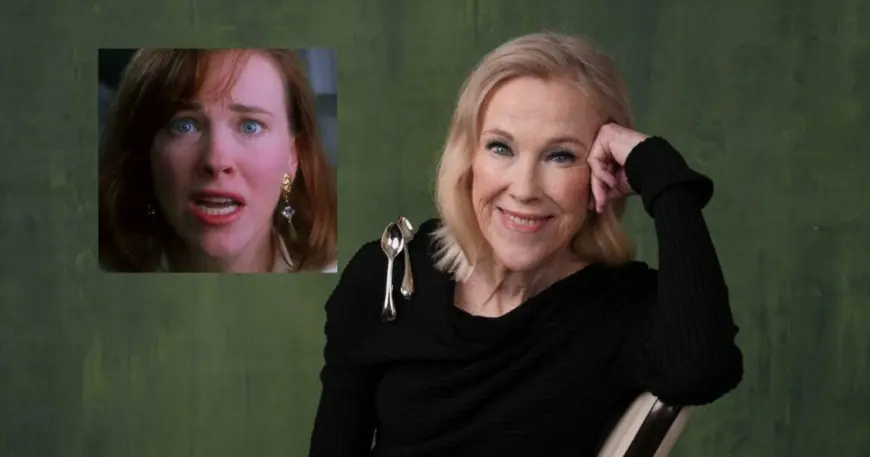
Catherine O’Hara, the beloved comic actor known for scene-stealing performances in Schitt’s Creek, Home Alone, Beetlejuice, and Best in Show, died on Friday, January 30, 2026 (ET). She was 71. Her representatives confirmed her death after a short illness, but a specific medical cause of death has not been publicly released. That gap has fueled a surge of online speculation and medical keyword searches, including dextrocardia and situs inversus, even as family and colleagues have focused on celebrating her life and work.
In the hours after the news, confusion spread quickly across social media and search engines. Some posts framed her death as a rumor or hoax, while others asserted detailed causes without evidence. The reality sits in the middle: O’Hara did die, and the precise cause has not been formally disclosed in a detailed public statement.
What happened to Catherine O’Hara, and what is her cause of death?
What is confirmed: O’Hara died January 30, 2026 (ET), following a brief illness. What is not confirmed: an official, specific cause of death such as a named disease, complication, or condition.
That distinction matters because “cause of death” is not always released immediately, and sometimes it is never shared publicly. Families often choose privacy. Medical details can also remain unclear early on while documentation is finalized.
The consequence of that privacy is predictable: the internet tries to fill the blank, and the most searchable “possible explanations” can become the loudest, even when they are not verified.
Dextrocardia and situs inversus: did a rare condition cause her death?
Searches for dextrocardia with situs inversus surged because O’Hara had previously spoken publicly about having that rare anatomical variation, where the heart and other organs are positioned in a mirror-image arrangement. It is a real condition and it is unusual, but it does not automatically imply poor health or a shortened lifespan. Many people with situs inversus live normal lives, particularly when the organ arrangement is consistent and there are no serious associated defects.
Here’s the key point for 2026: there is no confirmed public statement saying that dextrocardia with situs inversus caused her death. Any claim that it did is, at this time, not confirmed.
Why do these terms trend anyway? Because when a famous person has a known uncommon medical detail, audiences latch onto it as a neat explanation, even if it has nothing to do with the final illness.
Why people are asking “how did Catherine O’Hara die” and “was she sick?”
Two forces are driving the question wave.
First is genuine grief. O’Hara’s work is deeply embedded in people’s lives: holiday rewatches of Home Alone, comfort-viewing Schitt’s Creek, and decades of comedy films. When someone like that dies, people want to understand what happened as a way of processing the shock.
Second is the modern misinformation engine. When cause-of-death details are not immediately public, the vacuum becomes a content opportunity: rumors, fake “breaking news” posts, and confident but unsupported medical claims. That creates a loop where people search to confirm, and the search volume itself makes the rumor look “real.”
Catherine O’Hara’s legacy: why her roles still feel current
O’Hara’s career was defined by a rare combination: fearless commitment to absurdity and absolute emotional truth underneath it. As Moira Rose, she turned vanity, insecurity, and love into something oddly tender. As Kevin McCallister’s mother in Home Alone, she made frantic parental devotion feel real even inside a broad family comedy. And in ensemble comedies like Best in Show, she showed how small choices and specific character details can make a scene unforgettable.
Her influence also stretches beyond one title. Modern comedic acting, especially in ensemble formats, borrows heavily from the kind of heightened sincerity she mastered: characters who are ridiculous but never treated as disposable.
What we still don’t know, and what to watch for next
There are several missing pieces the public simply does not have right now:
A specific medical cause of death, if the family chooses to share it
Whether any additional details about the illness will be released publicly
How upcoming projects and final performances will be handled or honored
If further official details emerge, the most responsible way to treat them is straightforward: prioritize statements from family or formal representatives, and ignore viral posts that claim certainty without a verifiable basis.
What happens next: realistic scenarios
-
A private memorial and tributes from co-stars continue through February, as colleagues share stories rather than medical details.
-
Any official cause-of-death detail, if released, arrives in a short family statement, not as a drip of “insider updates.”
-
The medical-keyword speculation fades, then resurges periodically whenever clips of O’Hara trend again.
-
Her work experiences a renewed wave of viewing, especially Schitt’s Creek and Home Alone, as audiences return to familiar comfort.
Catherine O’Hara’s death is real, her impact is enormous, and the honest answer on “cause of death” is also real: a brief illness was cited, and the specific medical cause has not been publicly confirmed. In a moment like this, the most meaningful facts are not the ones people try to invent, but the ones her body of work already proved for decades: she made comedy smarter, warmer, and more human.