























Paula Pell’s 2026 Moment: Why the Comedian-Writer Is Suddenly Everywhere, From “The ’Burbs” to Big-Screen Scripts

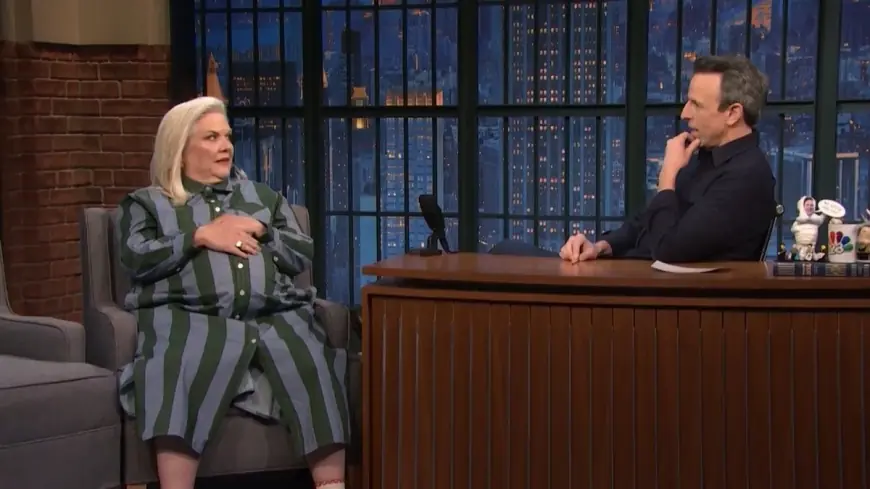
Paula Pell is having the kind of early-2026 run that feels overnight, even though it is built on decades of work behind the scenes. In the first week of February 2026, Pell has popped up across late-night and daytime television, fielding questions about her new comedy series “The ’Burbs,” teasing additional projects, and reminding the wider public that a large share of modern studio comedy has her fingerprints on it.
The renewed visibility matters because Pell’s career has long been defined by a paradox: she is a recognizable face to comedy fans, but she is even more influential in rooms the audience never sees. Right now, those two identities are finally converging at the same time.
Who is Paula Pell?
Pell is a comedian, actor, and writer best known for her years shaping sketch and late-night comedy, then branching into scene-stealing acting roles and film writing. Her reputation in the industry is less about one breakout character and more about a specific skill: turning odd, anxious, everyday behavior into jokes that feel both ridiculous and true.
That tone is exactly why she has become such a reliable utility player across comedy formats. She can write, punch up, improvise, and play characters that are messy without being mean.
What’s happening right now: “The ’Burbs” and a fresh promotional blitz
Pell is currently promoting “The ’Burbs,” a new suburban-set dark comedy that riffs on neighborhood paranoia, social competition, and the way modern communities spiral when a mystery gives them something to obsess over. The premise is built for 2026: it takes the recognizable rhythms of suburbia and injects them with suspicion, groupthink, and the performance of being “fine.”
Her interviews this week have leaned into two themes:
-
The show is meant to be funny first, not a nostalgia exercise.
-
Pell is careful about spoilers, but she is clearly excited about the ensemble dynamics and the escalating weirdness.
The timing is strategic. Early February is a high-attention period for entertainment, and a strong talk-show circuit can convert casual viewers into immediate streaming or on-demand sampling.
Behind the headline: why Paula Pell’s visibility is rising now
This is not random. There are clear incentives pushing Pell forward.
Industry incentives: Comedy has been in a risk-averse era, and people who can reliably deliver tone and jokes are more valuable than ever. Pell’s track record makes her a safe bet for studios, showrunners, and producers who need something funny that also feels contemporary.
Talent incentives: Pell has spent years as the person making other people look great. The current moment signals a deliberate pivot: not abandoning writing, but pairing it with higher-profile acting and promotional presence.
Audience incentives: Viewers are increasingly interested in “who made this” rather than just “who starred in this.” When an entertainer can credibly claim both authorship and performance, audiences treat them as an authority, not just a cast member.
Stakeholders include the series’ producers and cast, the networks and platforms distributing the show, and a broader comedy ecosystem that benefits when a veteran writer becomes a public-facing brand. The second-order effect is that Pell’s success can open more doors for writer-performers who historically stayed off-camera.
The “SNL50” factor: the anniversary spotlight effect
Another quiet accelerant is the gravitational pull of a major sketch-comedy anniversary season. Big milestone celebrations tend to send viewers down a rabbit hole: old sketches, old writers’ rooms, and the people whose names weren’t famous when the work was made. Pell is one of the beneficiaries of that renewed curiosity, and she is also a natural interview subject for it because she can talk craft without sounding like a lecture.
This is the “anniversary spotlight effect”: the institution gets attention, and the architects around it get rediscovered.
What we still don’t know
Even with all the chatter, a few key pieces remain unclear:
-
How “The ’Burbs” will land beyond the initial fan base that already knows Pell’s style
-
Whether Pell’s next step is more starring roles or a return to a writer-led, behind-the-camera position
-
How much of her current promotional visibility is tied to one show versus a longer-term rebrand as a marquee name
There is also a practical unknown: comedy series are increasingly judged by early retention, not just reviews or premiere buzz. The real test is whether viewers keep watching once the initial curiosity fades.
What happens next: realistic scenarios with triggers
-
A breakout supporting-character moment if one clip from “The ’Burbs” becomes the defining meme that introduces Pell to new audiences.
-
A broader film-writing runway if her upcoming studio comedy script work progresses quickly into production and casting announcements.
-
A creator-forward pivot if Pell uses this visibility to attach her name to a new show as a primary author, not just a performer.
-
A steadier, quieter path if the series performs modestly and Pell continues as the industry’s most reliable comedy weapon, just with slightly more on-camera presence.
Why it matters
Paula Pell’s 2026 moment is not a novelty. It is a correction. For years, she has been the person inside the machine making comedy sharper, stranger, and more human. Now the machine is putting her out front at the exact time audiences are hungry for creators who feel authentic, funny, and skilled enough to build the joke and deliver it.
If “The ’Burbs” hits, it will look like a breakout. If it doesn’t, the underlying story still holds: Pell has already won the long game of comedy credibility. Early 2026 is simply when the spotlight caught up.