Powerhouse Hobbs Reemerges as Royce Keys After Surprise Royal Rumble Debut, Signaling a Major WWE Push in 2026

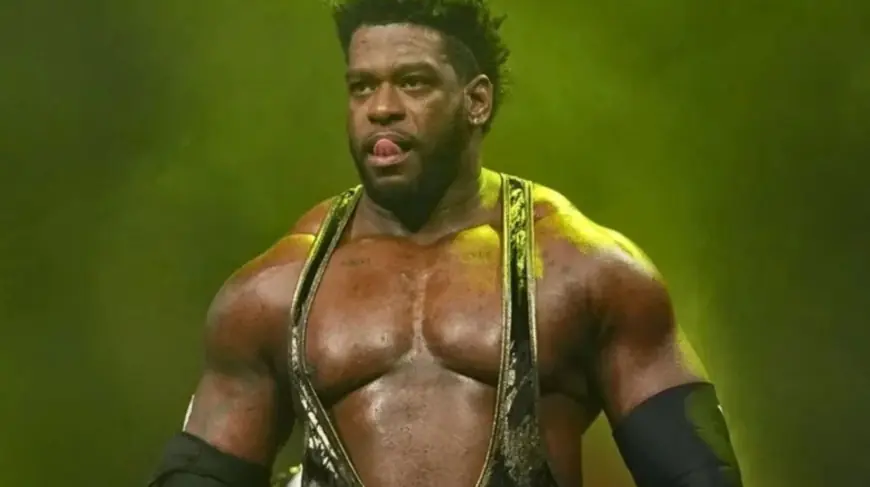
WWE introduced a new powerhouse to its main roster orbit on Saturday, January 31, 2026 (ET), when Powerhouse Hobbs appeared in the men’s Royal Rumble under a different name: Royce Keys. The debut immediately reframed him from a familiar face to longtime wrestling audiences into a “new arrival” for WWE storytelling, while still carrying the reputation that made him a sought-after signing.
The move is more than a name swap. It’s a signal that WWE is positioning a physically dominant, TV-ready talent for bigger stages, while attempting to control the narrative around his identity from day one.
What happened in the Royal Rumble debut
Keys entered the Royal Rumble match and was presented as a forceful presence, mixing it up with established names and showing off the same explosive style that defined his prior run. His time in the match was relatively brief compared to some iron-man performances, but the booking did two important things: it established him as credible in collisions and eliminations, and it put him in front of a massive audience without overexposing his full move set or character motivations yet.
In the language of WWE, that’s a classic “first taste” introduction: enough impact to make viewers remember the name, enough restraint to keep room for escalation on weekly programming.
Behind the headline: why a new name, and why now
The timing and presentation reveal a set of incentives that often drive wrestling’s biggest roster moves:
-
WWE benefits from renaming because it can build trademarked branding, merchandise identity, and a clean “origin story” that belongs to WWE continuity.
-
Keys benefits because the rebrand can reset expectations. A new name can help avoid being framed as “someone else’s former champion” and instead be treated as a fresh acquisition with upside.
-
The Royal Rumble is uniquely efficient as a launchpad. It creates instant legitimacy because the debut happens in the middle of a marquee match, surrounded by star power, with minimal narrative explanation required.
This is also a business decision masquerading as creative. Rebranding helps WWE package him across live events, broadcast, digital clips, and merchandising under a single umbrella it controls.
Stakeholders and leverage: who gains and who feels pressure
Several groups have skin in how this plays out:
-
WWE creative and talent relations gain a high-ceiling athlete who can fill the “credible heavy” lane against top babyfaces or as muscle inside a faction.
-
Fans gain a new match-up generator: Keys can be slotted into feuds that need physical stakes and spectacle quickly.
-
His former locker room peers and rivals gain a new point of comparison. If Keys thrives, it increases the perceived value of similar crossovers; if he stalls, it reinforces the risk of jumping.
-
Merchandising and live event teams gain a new product line to build, but only if the character identity is defined fast enough to stick.
Keys also faces a pressure point: WWE television is less forgiving to undefined characters. Power alone isn’t a gimmick. He’ll need a clear motive, voice, and alignment that can survive weekly repetition.
What we still don’t know
The debut answered the “is he here” question, but left the crucial pieces open:
-
Is Royce Keys positioned as a solo wrecking-ball, or will he be tied to a faction immediately to accelerate storytelling?
-
How will WWE explain the name change in-universe, if at all, versus treating it as a simple new identity?
-
Where does he land on the card in the first 30 days: title-adjacent, feud-building, or “showcase matches” that build a win streak?
-
What is the long-term plan: a mid-card title run to establish credibility, or a slower build toward main-event programs?
Those unknowns matter because debut moments can fade quickly unless they are followed by consistent direction.
Second-order effects across the roster and the market
A successful Keys run would ripple outward:
-
It strengthens WWE’s recruiting narrative: high-impact talents can arrive and feel instantly important.
-
It raises the stakes for the “big man” division internally, potentially reshuffling opportunities for other power-based wrestlers competing for similar screen time.
-
It impacts contract leverage across wrestling: more proof that cross-company moves can lead to prominent roles changes negotiating dynamics for free agents and renewals.
If the run stalls, the opposite happens: the debut becomes a one-night curiosity rather than a career inflection point.
What happens next: realistic scenarios and triggers
-
Immediate program with a veteran gatekeeper
Trigger: Keys appears on weekly TV with a direct confrontation and decisive wins to set his level. -
Faction enlistment as an enforcer
Trigger: alignment with an established heel act to give him instant purpose and microphone protection. -
Mid-card title chase within 60 to 90 days
Trigger: a short win streak and clear signature finish, followed by a high-profile pay-per-view match. -
A “rebrand story” reveal
Trigger: WWE gives him promo time to define who Royce Keys is, why the name matters, and what he’s targeting. -
Slow-burn rebuild after the splash
Trigger: limited appearances while creative finalizes presentation, followed by a reintroduction with stronger identity cues.
Why it matters
Powerhouse Hobbs becoming Royce Keys is a reminder that wrestling debuts aren’t just about surprise pops. They are about control: control of brand, control of story, and control of trajectory. The Royal Rumble appearance created instant awareness. The next few weeks will determine whether that awareness becomes momentum, and whether Royce Keys is positioned as a short-term attraction or a long-term pillar of WWE’s 2026 landscape.