















Peaky Blinders trailer signals a darker, higher-stakes return — how the film reshapes Tommy Shelby's world

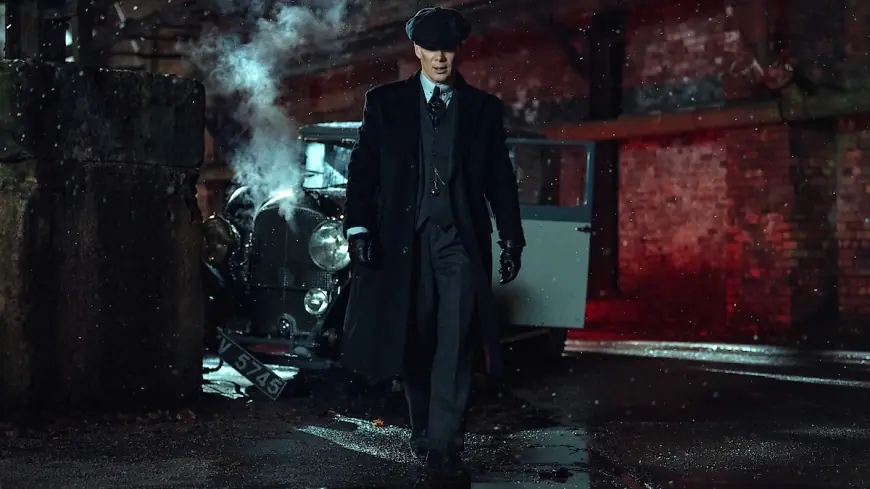
The first full trailer for the new peaky blinders film, The Immortal Man, reframes the saga as a national crisis rather than a family drama. Tommy Shelby returns from self-imposed exile into 1940 Birmingham amid wartime destruction, forced to confront an heir leading the gang and choose between preserving a legacy or destroying it. This shifts the story from private reckonings to something that threatens both kin and country.
Peaky Blinders: the consequences for power, succession and Tommy’s choices
Here’s the part that matters: the trailer signals a pivot from nostalgia to consequence. The Shelby empire is no longer just about territory and reputation; it’s positioned as a force whose decisions can affect the wider community during wartime. That raises immediate questions about succession and legitimacy — the Peaky leadership is now contested by an illegitimate son who commands like it’s an earlier era, and Tommy must decide whether to reinstate, reform or raze the dynasty.
- Tommy’s return is explicitly framed as a reckoning with both family and the country, not merely personal guilt.
- A new generation—Tommy’s son, presented as Duke Shelby—appears to be running the gang in a way that echoes 1919-era tactics.
- The wartime setting intensifies stakes: the gang’s actions are shown against destruction and national crisis, suggesting broader consequences beyond criminal rivalry.
- New cast additions around Tommy promise shifts in alliances and confrontations that could redefine internal power dynamics.
Trailer details and casting shifts
The trailer centers on an older, greying Tommy Shelby returning to Birmingham during World War Two. The film positions him as driven back from self-imposed exile to face what is described in production notes as his most destructive reckoning yet. New faces join the ensemble around him, and an illegitimate firstborn—now an adult leader—appears to be running the Peaky Blinders with a mentality that Ada describes as "like it's 1919, all over again. " The push-pull between legacy and reinvention is the engine of this version of the story.
Casting cues in the trailer underline the stakes: one lead is presented as an Oscar-winning actor in a recent role, while another newcomer in the part of Duke Shelby is described as an Oscar nominee for earlier work. Familiar figures from the series also return to the fold, signaling that relationships and old debts remain central to the conflict.
It’s easy to overlook, but the wartime backdrop alters the moral calculus: choices that might previously have affected only local rivals now ripple against national stability and survival.
Micro timeline embedded in the trailer narrative:
- 1919 — referenced as the comparison point for how the gang is being run today.
- Post-exile — Tommy is shown as having left and then returned from a self-imposed exile.
- 1940, amid World War Two — the setting for Tommy’s return and the group’s new reckoning.
Key takeaways that signal what could come next:
- Expect the film to interrogate how criminal power translates into political consequence during wartime.
- Succession is now a narrative fulcrum—the presence of an illegitimate son running the gang forces public and private reckonings.
- Character choices will likely hinge on whether legacy is preserved or sacrificed under pressure.
- New cast dynamics point to shifting loyalties rather than a simple return to old alliances.
The real question now is whether this installment treats the Peaky world as a closed family saga or as a node in a larger national drama. If the film follows the cues laid out in the trailer, expect confrontations that extend beyond street-level violence into moral and political terrain.
Writer’s aside: What’s easy to miss is how much the wartime setting can force character decisions that would otherwise remain private—this rewrite of context often exposes different sides of familiar figures without changing who they fundamentally are.