




















Michael Bloomberg’s $3B Amplifies Climate Philanthropy’s Strategic Influence, Experts Report

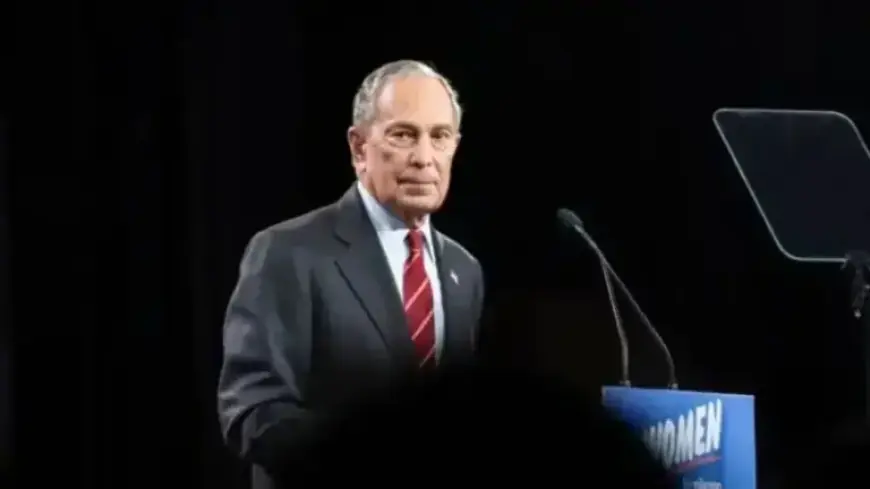
Billionaire Michael Bloomberg has made a significant commitment to climate philanthropy, donating over $3 billion in the last decade. This positions him as one of the top private donors dedicated to combating climate change.
Recent Contributions and Strategic Focus
Bloomberg’s latest financial pledge totals nearly $270 million, aimed at supporting projects aligned with the upcoming UN COP30 summit. This strategic funding comes at a crucial time as international climate financing faces unprecedented challenges.
Shifts in U.S. Climate Policy
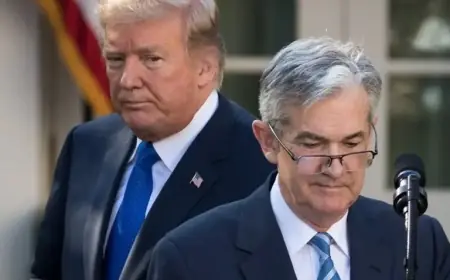
Underformer President Donald Trump’s administration, U.S. climate policies underwent drastic changes. Trump withdrew the United States from the Paris Agreement and implemented measures that undermined global climate efforts. This retreat highlighted a significant funding gap, prompting increased reliance on private donations from influential philanthropists like Bloomberg.
The Role of Other Philanthropists
Bloomberg is not alone in his efforts. Other major philanthropists are also stepping up:
- The Rockefeller Foundation plans to invest $1 billion in climate initiatives over five years.
- Bill Gates is advocating for a reevaluation of funding priorities between vaccines and climate action.
- Jeff Bezos’s Earth Fund recently allowed an $18 million grant to expire, reflecting a cautious stance.
- Sir Christopher Hohn’s foundation has halted funding for U.S. green groups.
Bloomberg’s Strategic Philanthropic Approach
Bloomberg’s approach to climate philanthropy targets critical issues, such as:
- Air pollution
- Methane emissions from gas production
- Coal usage
- Ocean protection
He consistently argues that addressing climate issues aligns with economic growth, proving that prosperity and environmental stewardship can indeed coexist.
The Case for Strategic Philanthropy
Francesco Grosoli, CEO of CMB Monaco, emphasizes viewing climate change as a core financial risk. He believes billionaires can act swiftly to foster innovative technologies and infrastructure, a necessity often unmet by government funding. Grosoli insists that effective philanthropy requires strategic planning, governance, long-term dedication, and a focus on tangible results.
Entrepreneurial Mindset in Climate Initiatives
Wealth managers, like Sebastian Goeres from LGT Middle East, advocate for a proactive approach to climate philanthropy. Families with wealth should commit to aligning their investments with credible net-zero goals to transform environmental challenges into opportunities.
Conclusion
As the U.S. government retreats from global climate negotiations, private philanthropy becomes increasingly important. Michael Bloomberg’s ongoing support for climate initiatives illustrates how targeted financial commitments can foster substantial environmental advancements while promoting a sustainable future.