
























Gold Price Today: Spot Gold Whipsaws After Fresh Record, Falls Back Near $5,160 an Ounce as Traders Digest Fed Hold and Iran Risk

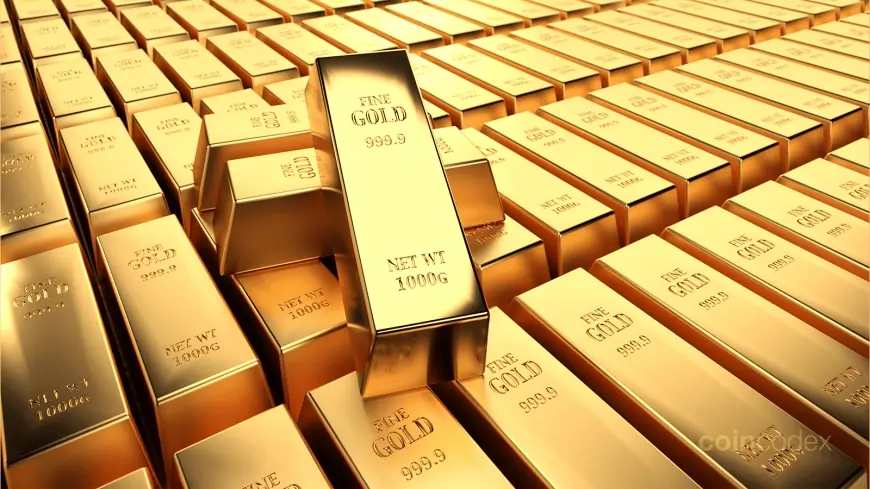
Gold prices swung violently on Thursday, January 29, 2026 (ET), after pushing to another record high and then snapping lower in a fast, crowded unwind. Spot gold traded around $5,160 per troy ounce in late morning trading, after touching an intraday peak near $5,595 and dipping toward $5,105 during the reversal.
That kind of range is the headline. Gold didn’t just move — it whipsawed, with both buyers and sellers forced to chase price in a market that has become unusually sensitive to geopolitics, central-bank signaling, and crowded positioning.
Gold Price Today in Simple Numbers
Using the spot level near $5,161 per ounce as a reference point:
-
Spot gold: about $5,160 per troy ounce
-
Per gram: about $165.94
-
Per kilogram: about $165,935
Gold futures for the next active month traded higher than spot at times but were also volatile; early Thursday indications clustered in the low $5,200s after the same sharp pullback.
What Happened: Record High, Then a Sudden Air Pocket
The day’s move fits a familiar “breakout then shakeout” pattern:
-
Risk headlines fuel a surge into perceived safety, pushing gold through psychological levels.
-
Momentum traders pile in, liquidity thins, and price discovery becomes jumpy.
-
Profit-taking hits, sometimes triggered by a small shift in the dollar, yields, or headline tone.
-
Stops and forced de-risking amplify the downswing, creating an air pocket that can feel like panic even when the broader trend remains up.
Gold is still having an exceptional month by historical standards — but the market is now trading like a crowded theater: everyone wants to be near the exit at the same time.
Why Gold Ran: Geopolitics, Oil, and a Market That’s Repricing Safety
The biggest near-term driver has been geopolitical escalation risk, with traders focused on the possibility of a widening Middle East confrontation. That anxiety has spilled into energy markets too, with oil jumping toward the low $70s per barrel and reviving fears of supply disruption through critical shipping lanes.
When oil and gold surge together, it often signals a blend of:
-
risk-off hedging (fear trade)
-
inflation protection (energy shock concerns)
-
currency skepticism (hedging against policy uncertainty)
Gold thrives when investors feel they’re juggling too many unknowns at once.
The Fed Held Rates — and That Matters Even in a Gold Mania
The Federal Reserve held its benchmark rate steady on Wednesday, January 28, 2026 (ET), keeping the target range at 3.50% to 3.75%. Markets read the decision as “pause, not pivot,” but in a high-volatility environment, even a pause can support gold if traders believe real rates will soften, growth will wobble, or crisis risk will rise.
Meanwhile, the dollar firmed modestly around the same time gold reversed. A slightly stronger dollar can be enough to trigger profit-taking in a parabolic gold move, especially when leveraged positions are heavy.
Behind the Headline: Incentives, Stakeholders, and the “Seconds” Market
Context: Gold is behaving less like a slow-moving store of value and more like a high-beta macro trade. The violent swings reflect a market that is repricing “tail risks” — low-probability events with enormous consequences — in real time.
Incentives:
-
Short-term traders are incentivized to chase momentum and then cut risk quickly.
-
Long-only investors are incentivized to add exposure when gold is trending, but they dislike buying after vertical spikes.
-
Policymakers are incentivized to project stability — yet headline risk keeps forcing markets to imagine worst-case scenarios.
Stakeholders: Central banks, institutional allocators, miners, refiners, jewelry demand, and ordinary savers are all tied to the same price — but with very different time horizons. The sharper the swings, the more the market becomes dominated by whoever can move fastest.
Missing pieces: The market still lacks clarity on how far geopolitical tensions could escalate, how durable the latest dollar move will be, and whether risk assets (stocks and credit) can absorb shocks without forcing more cross-market liquidation.
Second-order effects: A gold surge at these levels can tighten financial conditions in unexpected ways: higher hedging costs, more volatility in related metals, and pressure on consumer-facing demand. It can also intensify political scrutiny over inflation narratives, even if gold is moving mainly on fear rather than fundamentals.
What Happens Next: 5 Realistic Scenarios to Watch
-
High-level consolidation if tensions cool slightly and traders reduce leverage. Trigger: calmer headlines and steadier dollar trading.
-
Another run at records if geopolitical risk escalates or energy prices keep climbing. Trigger: a shock event or clear disruption fears.
-
Deeper correction if the move is judged overcrowded and funds unwind systematically. Trigger: sustained rebound in risk appetite plus firmer real yields.
-
Choppy range trade with repeated spikes and dumps. Trigger: mixed headlines and fragile liquidity.
-
Policy-driven re-acceleration if markets start pricing faster easing later in 2026. Trigger: weakening data or sharper financial stress.
Gold “today” is no longer a single quote — it’s a story about volatility, fear premiums, and positioning. The key takeaway from Thursday’s action is not just the level near $5,160; it’s the message embedded in the range: the market is paying up for safety, but it’s doing it in a way that can reverse violently at any moment.