
























Diego Lopes surges into the featherweight conversation as UFC matchmaking heats up

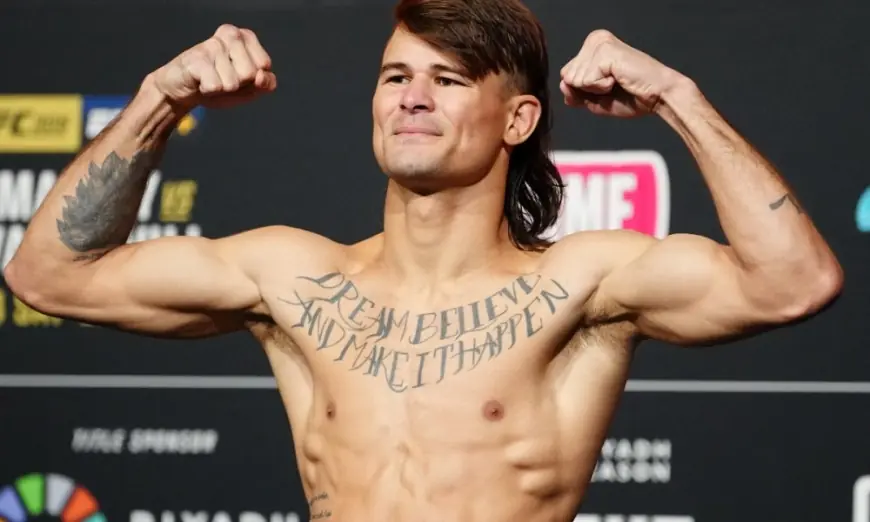
Diego Lopes has become one of the most talked-about names in the UFC featherweight division, turning high-risk exchanges and relentless submission threats into a fast-rising profile. The Brazil-born contender has built a reputation for forcing chaos on the mat and making opponents defend at a pace that doesn’t let them settle into a comfortable rhythm.
With the top of the division tightening and contenders jockeying for position, Lopes sits in a spot where the next booking can determine whether he’s headed toward a title eliminator or another prove-it fight. Further specifics were not immediately available about who his next opponent will be or when a bout agreement could be finalized.
Why Diego Lopes keeps pulling matchmakers toward him
Lopes is the kind of fighter who changes the temperature of a card. His style encourages scrambles, back-takes, and sudden submission setups, and that creates the kind of highlight moments that can accelerate a career even without a long résumé of five-round main events.
Just as important, he’s shown the willingness to take difficult matchups and push a fight into uncomfortable territory early. That combination of risk tolerance and crowd-friendly grappling often earns a fighter opportunities sooner than expected, especially in a division where many contenders prefer safer, incremental climbs.
Some specifics have not been publicly clarified about what the UFC’s internal short list looks like for him right now, including whether the plan is to pair him with a ranked veteran or another ascending contender.
How the UFC path works from “dangerous” to “undeniable”
In general, a contender’s jump is determined by three things: where they sit in the rankings, how convincingly they’ve beaten comparable opposition, and whether their style creates a compelling stakes narrative for fans. Matchmakers typically weigh risk and reward on both sides, looking for fights where a rising athlete can validate their momentum without stalling the division’s title lane.
For featherweights, that calculus can be especially strict because the top tier is often separated by small margins in speed, cardio, and defensive grappling. A fighter like Lopes can force the issue with aggressive transitions, but the next level often demands cleaner entries, tighter positional control, and the ability to win rounds even when the finish doesn’t come.
A full public timeline has not been released for the next wave of featherweight bookings, and key terms around potential matchups have not been disclosed publicly.
The tactical question opponents must solve against Lopes
The main puzzle with Lopes is that “don’t grapple” isn’t always an option. Even strikers can end up in clinches, sprawls, or scramble-heavy sequences where one mistake turns into a back exposure or a sudden choke threat.
Opponents who succeed against this kind of profile usually do a few things well: they protect inside position in the clinch, they win the first scramble rather than the third, and they avoid overcommitting on punches that invite level changes or reactive takedowns. If a fighter can consistently reset to the center and force Lopes to re-enter, they can turn volatility into predictable minutes and bank rounds.
For Lopes, the counter is pacing and decision-making. When the finish isn’t immediate, the ability to control position, keep damage minimal, and still win on activity can be the difference between being labeled a dangerous spoiler and being treated as a true contender.
Who is affected by his next move in the division
The ripple effects extend beyond Lopes himself. Fellow featherweight contenders have a direct stake because one booking can reshuffle the order of who gets a marquee opponent, who gets pushed toward a five-round slot, and who has to fight down the ladder. Coaches and training partners also feel it, since preparing for a scramble-heavy submission game requires specific bodies, specific rounds, and specific risk management in camp.
Fans are another immediate stakeholder. Lopes tends to produce fights that swing quickly, and that affects everything from event pacing to how matchups are marketed. Promoters and broadcasters benefit from that volatility, while opponents face the practical reality that a single error can end a fight abruptly and reshape their own career trajectory.
In the days ahead, the next verifiable milestone will be an official bout announcement tied to an upcoming event card, followed by standard athletic commission filings that confirm opponent, weight class, and bout order. Until then, Lopes remains one of the division’s most consequential “available” pieces, the kind of fighter who can turn a routine matchup into a division-defining result.