

























Chuck Schumer escalates ICE oversight demands as DHS funding deadline nears

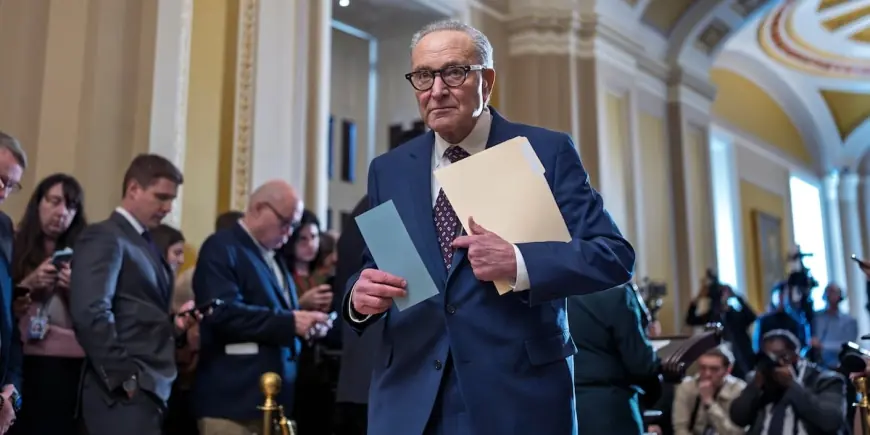
Chuck Schumer is stepping into the center of a fast-moving Senate standoff that could tip parts of the federal government into a shutdown, with immigration enforcement reforms now tied directly to funding the Department of Homeland Security. The top Senate Democrat says his caucus will not provide the votes needed to advance a long-term DHS funding plan unless new guardrails are added for Immigration and Customs Enforcement operations.
By Thursday, January 29, 2026, ET, negotiations were still in flux as Senate leaders weighed whether to separate DHS from a broader spending package to keep other agencies funded while talks continue on ICE accountability.
ICE reforms become the price of votes
Democratic senators, led by Schumer, have put a specific set of operational and transparency changes at the center of their demands. They have called for limits on agents covering their faces during operations, wider use of body cameras, and clearer identification requirements, along with tougher conduct standards and more independent review of alleged misconduct.
Democrats say the push is driven by public outrage after recent deadly encounters during immigration enforcement activity, including incidents involving U.S. citizens in Minneapolis. Republicans argue that DHS and border operations cannot be held up and have pressed to move ahead with votes on spending legislation.
Some specifics have not been publicly clarified, including exactly how broadly the proposed rules would apply across different DHS components and what enforcement mechanisms would be written into law.
How shutdown leverage works in the Senate
Federal funding typically moves through annual appropriations bills, and when Congress does not pass them in time, lawmakers can use short-term extensions to keep agencies operating. In the Senate, most major funding bills must clear a 60-vote threshold to advance, which gives the minority party real leverage even when the other side controls the floor schedule.
That is why policy disputes often get stapled to spending deadlines: a faction can withhold votes unless its conditions are met. When funding lapses, agencies without appropriations must halt many non-essential activities, while employees in critical roles may be required to work without immediate pay until Congress acts.
A full public timeline has not been released for how leaders plan to sequence votes if DHS funding is split off from the larger package.
Who feels the impact first if DHS funding slips
A DHS funding lapse can ripple quickly through day-to-day government functions. Federal employees and contractors could face delayed paychecks, while administrative offices that support immigration courts and case processing may slow or pause certain work depending on what is deemed essential.
Travelers and airport operators watch DHS funding closely because airport screening, cybersecurity coordination, and parts of disaster response planning sit within the department’s orbit. Local governments and law enforcement agencies can also be affected if coordination programs, task-force work, or grant administration is interrupted.
Immigrant communities and people in removal proceedings often feel the uncertainty in more personal ways, as shifts in enforcement posture, detention capacity, and case backlogs can change the practical realities of what happens after an arrest or a notice to appear.
Deal paths on the table as leaders eye the next vote
One option gaining traction is carving DHS out of the broader spending package and replacing it with a short-term stopgap that buys time for negotiations on ICE rules. That approach would allow Congress to move other funding pieces forward while keeping DHS open temporarily.
Another path is a direct compromise that writes some reforms into the DHS bill itself—such as specific transparency and conduct requirements—while leaving more contested enforcement limits for later legislation. The White House and Senate leaders have traded sharp warnings about brinkmanship, and both sides are trying to avoid being blamed for a shutdown.
Further specifics were not immediately available on the final contours of any agreement, including whether leaders would pair a short-term DHS extension with a firm deadline for a follow-on vote on reforms.
The next clear milestone is a Senate procedural vote expected Thursday, with any revised funding plan requiring action in both chambers before it can be enacted.