
























Trump Criticizes Powell, Urges Substantially Lower US Interest Rates

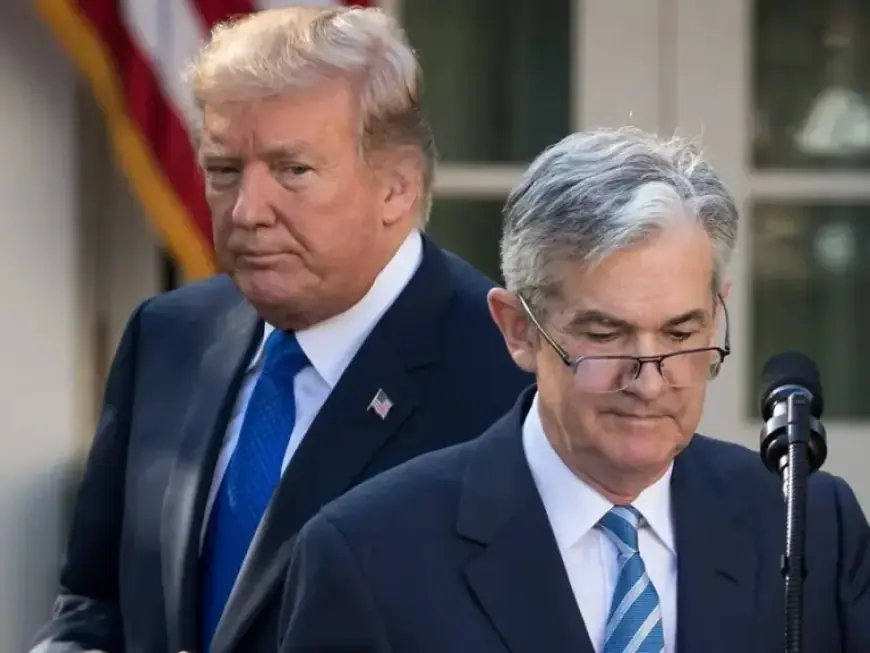
Former President Donald Trump has recently criticized Jerome Powell, the chair of the Federal Reserve, for not lowering interest rates. In a pointed statement, Trump accused Powell of being too hesitant to cut rates while claiming there is no reason for such high levels. He argued that the current interest rates are detrimental to the United States’ economy and national security.
Trump’s Call for Lower Interest Rates
Trump highlighted that the U.S. should have some of the lowest interest rates globally. He believes this is justified due to the influx of money from tariffs imposed on other countries. According to him, these tariffs provide substantial financial benefits to the U.S. while allowing other nations to maintain trade surpluses, albeit reduced.
Key Points from Trump’s Statement
- Interest rates should be substantially lower.
- Powell’s refusal to cut rates is harming the U.S. economy.
- The U.S. should leverage its economic strength to negotiate lower rates.
- Tariffs are a significant source of income for the U.S., supporting the case for lower rates.
Trump, while expressing frustration with Powell, insisted that the Federal Reserve’s current monetary policy is unnecessary and costly. He claimed that high interest rates lead to billions in excess costs for the country.
Anticipation of Future Changes
Despite his criticism of Powell, the former president’s remarks were not unexpected. Observers noted that Trump has previously expressed similar sentiments about the Fed chair’s decisions. There was speculation that Trump might announce his choice for the next Federal Reserve chair following these comments, but that announcement is likely slated for next week.
Overall, Trump demands a reassessment of current interest rate policies, arguing that a reduction would benefit the country’s financial health and stability. His assertions bring renewed attention to ongoing discussions regarding monetary policy and its implications for the U.S. economy.