
























Patrick Reed Leaving LIV Golf: Why His Exit Matters for the PGA Tour’s Next Phase of Reintegration

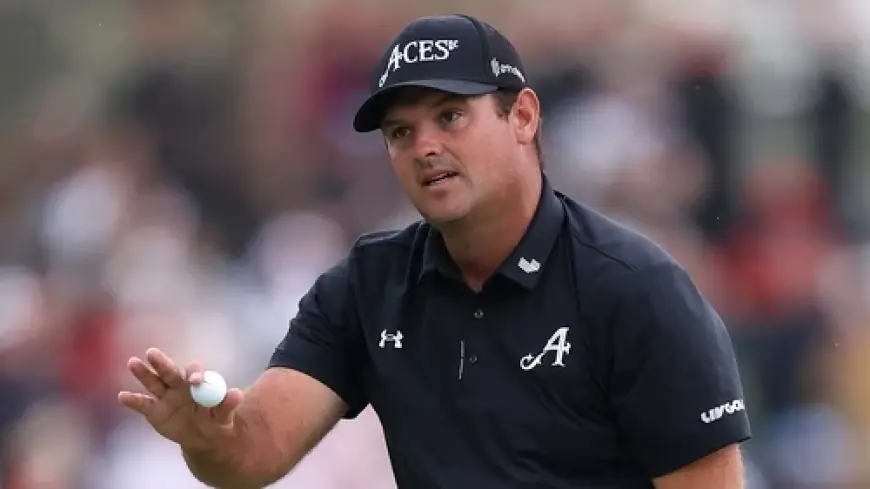
Patrick Reed is leaving LIV Golf and setting his sights on a return to the PGA Tour, a move that instantly raises the temperature in men’s professional golf’s still-unfinished power struggle. The announcement, made Wednesday, January 28, 2026 ET, ends Reed’s run on the Saudi-funded breakaway circuit and puts a spotlight on how, when, and under what conditions former LIV players can re-enter PGA Tour competition.
Reed’s timeline is the key detail. He is not walking back into full PGA Tour membership immediately. Instead, his path runs through eligibility windows, limited-entry mechanisms, and a year of building leverage through results elsewhere.
What happened with Patrick Reed leaving LIV Golf
Reed, the 2018 Masters champion and a multi-time PGA Tour winner, confirmed he will not continue with LIV Golf in 2026. LIV Golf separately indicated that contract extension terms could not be reached. The split matters because it frames the departure less as a disciplinary rupture and more as a business and career decision.
In practical terms, it means Reed is now pursuing a two-track year:
-
Compete on the global schedule outside LIV
-
Work back toward PGA Tour access as early as late summer 2026, with a fuller return targeted for 2027
How Reed can return to the PGA Tour, and why 2026 is not the finish line
Reed resigned his PGA Tour membership when he left for LIV in 2022. That choice changes the mechanics of a comeback. Under the PGA Tour’s framework, he can begin playing certain PGA Tour events as a non-member starting in late August 2026, with full membership pathways more realistically lining up for the 2027 season unless he earns status through alternative criteria.
There are a few ways this can play out:
-
Sponsor exemptions into fall events, which can provide opportunities to earn points and re-establish footing
-
Open qualifying routes where available
-
Performance-based status earned through the European tour system, where strong season-long results can translate into PGA Tour access for players who are not already members
The detail that should not be missed: the fall stretch of the PGA Tour calendar often functions like a proving ground. It is where players can quietly accumulate momentum, and where returning names can demonstrate they still belong without immediately walking into the sport’s highest-pressure weeks.
Behind the headline: the incentives driving Reed, the PGA Tour, and LIV Golf
Reed’s incentive is legacy plus control. LIV Golf offered guaranteed money and a different rhythm, but the PGA Tour remains the sport’s central stage for week-to-week validation, historic milestones, and the ecosystem that shapes Hall-of-Fame resumes. A return attempt signals that Reed believes he can still convert elite performance into status and opportunities that LIV cannot fully replicate.
The PGA Tour’s incentive is leverage. Allowing a clear, rules-based reinstatement process does two things at once:
-
It presents the Tour as confident rather than defensive, projecting institutional stability
-
It weakens LIV’s narrative of permanence by normalizing the idea that departures are possible and survivable
LIV Golf’s incentive is deterrence. Every high-profile exit raises questions for other players weighing renewal terms or long-term relevance. Even if LIV continues to fund and schedule events aggressively, departures create reputational drag: fans and sponsors start asking who is committed and who is simply passing through.
Stakeholders: who gains and who loses if Reed’s comeback advances
This story is bigger than one player.
-
PGA Tour leadership gains if the process looks orderly and consistent, reinforcing the Tour’s authority
-
Current PGA Tour members may worry about competitive dilution, especially if returnees get entry routes they view as too generous
-
Sponsors and tournament directors gain a recognizable name who can attract attention, but they also inherit controversy risk
-
LIV Golf loses a major champion presence and the perception of roster stability
-
Reed gains bargaining power if he wins outside LIV in 2026, because performance forces doors to open
What we still don’t know
Several missing pieces will determine whether this is a clean return story or a prolonged limbo:
-
How much access Reed will actually get through exemptions in late 2026
-
Whether PGA Tour peers and fans respond with indifference, hostility, or renewed interest
-
Whether Reed’s 2026 results create enough competitive pressure to accelerate his reintegration
-
How other LIV players interpret this move, and whether it starts a broader wave or remains an isolated case
What happens next: realistic scenarios and triggers
-
Fast-track momentum into fall 2026 PGA Tour starts
Trigger: sponsor exemptions arrive quickly and Reed posts immediate strong finishes. -
A 2026 detour that becomes the main story
Trigger: limited access and uneven results keep Reed primarily on the European schedule, delaying a true PGA Tour return to 2027. -
Status earned the hard way through season-long performance
Trigger: Reed finishes high enough on the European points race to secure PGA Tour eligibility through established pathways. -
The precedent effect reshapes LIV negotiations
Trigger: other recognizable LIV players pursue exits once they see a viable route back without scorched-earth consequences.
Why it matters now is simple: Patrick Reed leaving LIV Golf is not just a roster move. It is a test of whether the PGA Tour can turn reintegration into a predictable system, and whether LIV can keep top names from treating the league as a chapter rather than a destination.