
























Comparing U.S. Military Presence Off Iran to June 2025 Strikes | Infographic

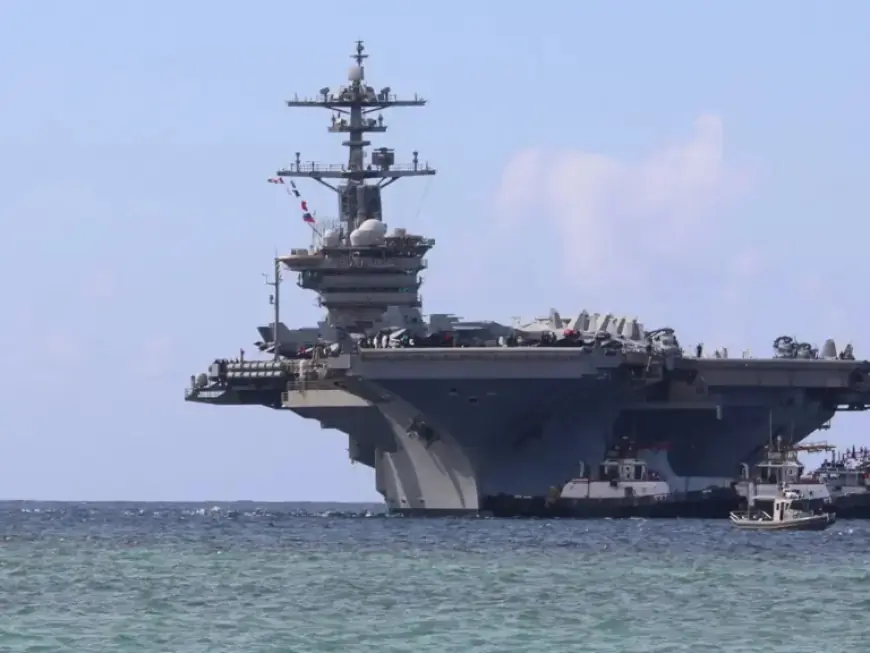
The United States is significantly increasing its military presence near Iran, potentially signaling upcoming military action. Recently, the nuclear-powered aircraft carrier USS Abraham Lincoln has been deployed to the Arabian Sea to bolster regional security. This deployment follows a series of U.S. military actions related to Iranian nuclear sites and the escalating situation in the Middle East.
U.S. Military Build-Up Off Iran
The USS Abraham Lincoln, accompanied by other military assets, has arrived in the region, raising concerns about a potential strike against Iran. Various military maneuvers have been conducted, especially during the recent Iran-Israel War, which further strained U.S.-Iran relations. Following that conflict, U.S. assets were strategically positioned in the Caribbean ahead of actions against Venezuelan maritime vessels.
Military Deployments and Exercises
- USS Abraham Lincoln: This aircraft carrier, one of the U.S. Navy’s largest warships, departed from San Diego, California, in November, transitioning from the South China Sea to the Middle East.
- Multi-Day Readiness Drills: The U.S. Air Forces Central Command (AFCENT) has initiated readiness drills across various countries hosting U.S. military bases in the region.
The drills aim to enhance the capability of deploying military assets, strengthen partnerships, and prepare for flexible responses in turbulent scenarios.
Casualties and Military History
Recent protests in Iran, which began in late December, led to severe crackdowns by Iranian security forces, resulting in a reported 5,000 fatalities and mass detentions. The U.N. has highlighted this humanitarian crisis. Furthermore, the history of military action against Iranian targets escalated dramatically with the June 2025 strikes on nuclear facilities—an operation that involved 4,000 personnel and targeted sites critical to Iran’s nuclear capabilities.
Analysis of Potential Strikes
Military analysts suggest the current U.S. buildup could reflect intentions for a limited strike against the Iranian government, especially as tensions have escalated after the crackdown on protests. Historical context indicates that similar actions have been justified under humanitarian grounds, even if fraught with risks for American forces stationed throughout the Middle East.
Strategic Implications
Military engagement with Iran poses significant risks. Analysts warn that while such actions might aim to protect civilians, they could further destabilize the region. Iran’s capacity to retaliate against U.S. interests could exacerbate tensions, particularly through targeting oil facilities or disrupting shipping lanes in the Persian Gulf.
Looking ahead, the readiness of U.S. forces near Iran could serve as a deterrent or a precursor to further military actions. However, analysts stress that any military intervention must be carefully weighed against the potential for unintended consequences and further destabilization in an already volatile region.
Conclusion
The increasing military presence of the U.S. near Iran, highlighted by the deployment of the USS Abraham Lincoln, suggests a preparation for potential conflict. As developments unfold, the ramifications of military strategies in the region will undoubtedly be significant, both for Iran and its neighboring countries.