J. Cole “Birthday Blizzard ’26” Surprise Drop: Four Freestyles, One-Dollar Download, and a Clear Signal Ahead of the Album

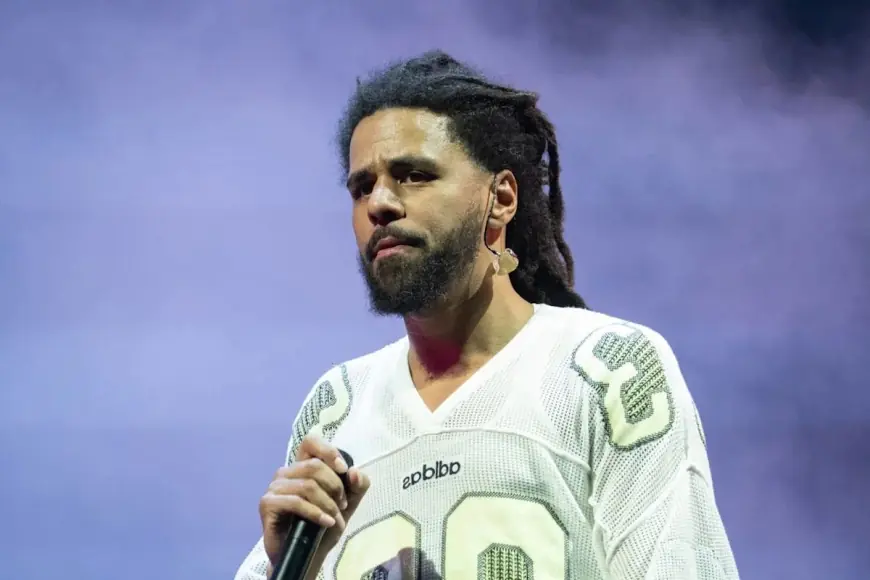
The phrase j cole birthday blizzard is trending after J. Cole marked his 41st birthday with a surprise release that leans hard into classic mixtape energy. Late Tuesday, Jan. 27, 2026, ET, Cole unveiled “Birthday Blizzard ’26,” a four-track set of freestyles hosted by veteran mixtape DJ Clue, offered as a direct-to-fan digital download with a minimum price of $1.
Further specifics were not immediately available about how many total downloads were processed in the first hours of release.
A four-pack built on legendary beats and mixtape tradition
“Birthday Blizzard ’26” arrives as a tight, purposeful statement: four freestyles, four familiar instrumentals, and a delivery designed to remind listeners why Cole’s pen has remained a measuring stick in mainstream rap. The tracklist includes “Bronx Zoo Freestyle,” “Golden Goose Freestyle,” “Winter Storm Freestyle,” and “99 Build Freestyle,” each built over iconic beats that instantly place the project in the lineage of street-tape competitiveness.
The opening run is the clearest signal of intent. Cole raps over a blockbuster-era anthem beat for “Bronx Zoo Freestyle,” using a flow switch that nods to an earlier era of rap bravado before shifting into commentary about how the genre’s attention economy has changed. “Golden Goose Freestyle” turns toward industry critique, touching on deal structures, hype cycles, and the suspicion that online numbers can be engineered. “Winter Storm Freestyle” is the coldest in tone, emphasizing technical control and warning shots without locking into a single named target. “99 Build Freestyle” closes by circling back to the competitive ecosystem itself—how albums are marketed, how diss records move attention, and how quickly audiences can pivot.
Some specifics have not been publicly clarified about any formal clearances tied to the instrumentals, or whether the project will remain a download-only release long term.
Cole revisits the 2024 apology moment without changing his thesis
One reason “Birthday Blizzard ’26” hit so hard so fast is that it doesn’t pretend the last two years didn’t happen. Cole appears to address the widely discussed 2024 moment when he stepped back from a brewing feud with Kendrick Lamar after releasing a diss track, later removing it and apologizing onstage. On this new project, he frames that decision as something that reshaped how fans and peers ranked him in rap debates—but he also positions the backlash as fuel, leaning into the idea that doubt has historically brought out his sharpest work.
The tone is notably controlled: less about chasing a headline, more about restoring his preferred lane—high-level rapping, clean structure, and an insistence on craft over chaos. That approach matters because it sets expectations for what comes next: not a gossip-driven campaign, but a performance-driven one.
Key terms have not been disclosed publicly about whether this EP is meant to connect directly to the sequencing or themes of his next full-length project.
How the one-dollar drop works, and why it can overwhelm systems
There’s a practical reason the release became a story beyond the music: it wasn’t rolled out through a conventional wide distribution push. Cole opted for a direct-to-fan purchase model, allowing supporters to pay a minimum amount and download the tracks immediately. That approach can deepen engagement—fans feel like they’re buying a “moment,” not just clicking play—but it also puts pressure on infrastructure when demand surges at once.
Mechanically, direct sales funnels concentrate traffic into a single checkout and file-delivery pipeline. When a major artist drops with little notice, thousands of people can hit the same payment step simultaneously, which can slow purchases, stall downloads, or temporarily crash pages. It’s the tradeoff of exclusivity and immediacy: the more centralized the release, the harder the system has to work during peak minutes.
Who benefits, who scrambles, and what the next milestone is
Two groups feel the impact first: fans and music industry workers who live downstream of releases. Fans get a rare, old-school “new bars tonight” moment that rewards attention and creates instant debate about lines, targets, and technique. Meanwhile, engineers, managers, and distribution partners—especially those supporting direct sales—have to handle the surge, stabilize access, and protect buyers’ files and receipts when traffic spikes.
A second ripple hits working artists and DJs watching the strategy. A direct-to-fan $1 release from a superstar can reignite discussion about ownership, pricing, and how much control artists can reclaim over rollouts—while also setting a high bar for smaller acts who don’t have the same built-in demand.
The next verifiable milestone is the scheduled album-release event: J. Cole’s “The Fall-Off” is slated to arrive on Friday, Feb. 6, 2026, ET, and “Birthday Blizzard ’26” now reads less like a casual birthday gift and more like a final warm-up lap before a major drop.