






















Claire Danes and Hugh Dancy Keep a Low-Drama Profile as Fans Watch for Their Next Big Roles

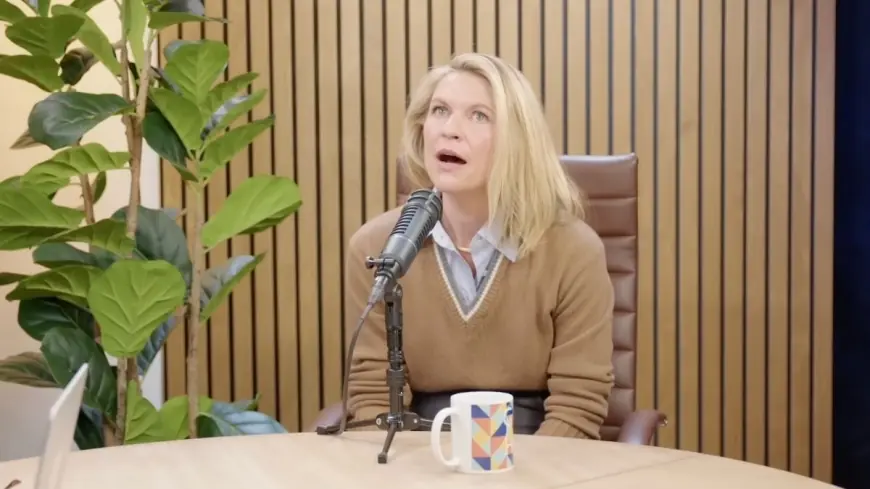
Claire Danes has spent most of her career moving between prestige projects and fiercely private family time, and that balance is part of why renewed attention keeps circling back to her and her husband, Hugh Dancy. The actor couple have largely avoided the public-relations churn that follows many celebrity relationships, but their combined résumés continue to pull in curiosity whenever awards season ramps up, a new casting cycle begins, or an older hit finds a new audience.
What’s drawing interest right now is less a single headline moment and more the ongoing question of what comes next for two performers who have proven they can anchor major dramas while keeping their day-to-day life out of the spotlight.
A long-running Hollywood partnership built on separate lanes
Danes and Dancy have been married since 2009, and their relationship has lasted through the most intense shifts in modern entertainment: the rise of prestige television, the streaming boom, and the increasingly fast churn of fame cycles. They share three children and have repeatedly signaled, through their choices and their limited public commentary, that family life is a priority even when work is demanding.
Professionally, Danes is best known for leading roles that combine emotional range with high-stakes storytelling, including her acclaimed run in the espionage thriller Homeland. Dancy, meanwhile, has built a reputation as a versatile performer across television, film, and stage, with a prominent turn as Hannibal Lecter’s adversary in Hannibal and a steady presence in long-running legal drama work in more recent years.
Further specifics were not immediately available about any plans for the couple to collaborate on a single on-screen project.
Why their careers keep resurfacing in the same conversations
Danes has a knack for reappearing at the center of cultural conversation whenever she steps into a new role, partly because she tends to pick projects that invite debate rather than simple fandom. Her best-known work has often dealt in moral ambiguity and psychological intensity, which keeps audiences discussing character choices long after an episode ends.
Dancy’s appeal is different but complementary. He’s often cast in roles that require restraint, precision, or quiet menace, and that skill set plays well in character-driven dramas where small choices carry big consequences. Together, they represent a kind of “actor’s actor” pairing: recognizable enough to spark broad interest, but not so overexposed that audiences feel fatigued by constant headlines.
Some specifics have not been publicly clarified about the timing of their next major releases, including when either actor will next lead a newly announced series or film.
How casting announcements typically happen, and why timing matters
In the current TV and film ecosystem, public casting news often arrives in waves rather than one-offs. Studios and producers lock in a project’s financing, schedule, and key creative roles before finalizing lead talent, and even then, announcements may be held until contracts, start dates, and marketing plans align. That’s why fans can hear rumors for months and then suddenly see a formal confirmation appear close to production.
For established actors like Danes and Dancy, timing is also shaped by practical constraints. Prestige productions can require long shoots, extended press obligations, and awards-season campaigning. When you add family logistics, decisions can hinge on filming location, school calendars, and whether a role is structured to allow time off between blocks of production.
Key terms have not been disclosed publicly regarding any upcoming deals or multi-project commitments connected to either actor.
Who feels the impact when stars like Danes and Dancy pick their next move
Two groups tend to be affected immediately when performers of this profile choose a new project: fans and working crews. Fans often follow an actor’s taste as much as the actor themselves, treating a new role announcement as a signal about what kind of story is worth their time. Production crews, meanwhile, are impacted in concrete ways, because star attachments can help a project secure budgets, lock in schedules, and move from development into active hiring.
There’s also a ripple for creative teams. Directors, writers, and fellow actors can see the entire tone of a project shift based on who is cast in the central roles, especially in character-forward dramas where performance is the main engine.
What comes next for Claire Danes and Hugh Dancy
The next few months are the most likely window for clarity, because the industry typically ramps up greenlights, casting confirmations, and slate reveals as it heads into the spring cycle of upfront-style presentations and festival-season programming announcements. If Danes or Dancy is about to anchor a new series, join an ensemble, or return to the stage in a major way, those are the kinds of events where plans often become publicly confirmed.
In the days ahead, the next verifiable milestone will be the next formal casting announcement or project greenlight tied to either actor, which typically arrives alongside production-start details such as filming schedules or stage run dates.