























Tesla Profits Plummet 46% as It Loses Top EV Seller Status

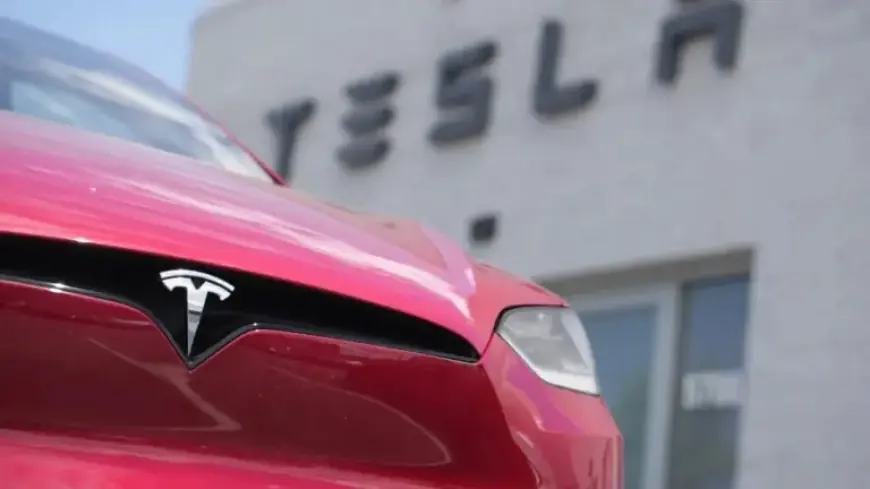
Tesla has reported a staggering 46% drop in profits compared to the previous year, according to its recent earnings update. This decline, although severe, was less significant than many analysts anticipated. The company has struggled with consistent sales challenges throughout the year, despite increasing revenue from its energy storage sector.
Tesla Loses Top EV Seller Status
Once the leading manufacturer of electric vehicles (EVs), Tesla has ceded its title as the world’s top EV seller. A Chinese automaker, BYD, took the lead in 2025 with over 2.25 million battery-powered vehicle sales. In comparison, Tesla managed to sell 1.65 million units, reflecting a decrease from the previous year.
Sales Trends and Market Changes
- Tesla’s sales have declined for two consecutive years.
- BYD’s sales growth showcases the increasing competitiveness of the EV market, particularly from Chinese manufacturers.
- In December 2023, the EU witnessed a significant moment as new registrations of pure EVs surpassed those of traditional gasoline vehicles for the first time.
The retraction in Tesla’s position comes amidst increasing competition, especially as new EV policies roll out in places like China and Europe. Many consumers are opting for alternatives.
Company Direction and Future Plans
As Tesla transitions into a broader technology company, it plans to shift focus away from traditional vehicles. The company will discontinue its higher-end Model S and Model X lines and concentrate on the forthcoming “Cybercab.” Designed for autonomy, this vehicle aims to support Tesla’s developing robotaxi service.
Investment and Production Shifts
- Musk anticipates spending approximately $20 billion in the coming year.
- This figure represents a significant increase in capital expenditures compared to past investments.
- The Model S and Model X production lines will be repurposed for manufacturing Tesla’s humanoid robot, “Optimus.”
Despite ambitious goals, Musk has historically struggled to meet production timelines, raising questions about the scalability of autonomous technology.
Impact on Brand Perception
Tesla’s brand reputation is taking a hit, with consumer sentiment becoming increasingly polarized. A recent survey revealed only 27% of respondents viewed Tesla positively, while 37% expressed negative views. These statistics highlight a stark contrast compared to traditional automakers.
Shifting Consumer Preferences
- A notable drop in brand loyalty among existing Tesla owners has occurred, decreasing from 98% to 78% opting for another Tesla.
- Current Tesla owners are now exploring other EV options, which reflects a growing competitive landscape.
With several emerging brands, buyers are now more inclined to shop around, highlighting a shift in the electric vehicle market dynamics.
Challenges Ahead
Tesla faces mounting challenges in maintaining its market position amid increasing skepticism regarding its future direction. Musk’s emphasis on artificial intelligence and autonomous vehicles has proven controversial, complicating public perception.
While Tesla aims to innovate with autonomous technology, consumer distrust persists. The mixed response to their “Full Self-Driving” software indicates that many consumers question the safety and readiness of such technologies.
As Tesla navigates this complex landscape, the focus remains on how it will evolve to regain its leadership in the rapidly changing EV market.