



















Trump Asserts Massive Armada Threat, Demands Compliance from Iran

In a recent statement from Tehran, Iranian Deputy Foreign Minister Abbas Araghchi addressed the ongoing tensions with the United States. He clarified that Iran has not sought a meeting with U.S. officials, including recent contact with American envoy, Mr. Witkoff.
Iran’s Position on U.S. Negotiations
Araghchi emphasized that Iran has yet to decide on entering negotiations. Multiple countries are currently attempting to mediate between Iran and the U.S. However, he firmly stated that military threats undermine diplomatic effectiveness. “If they want negotiations to happen, they must eliminate threats and excessive demands,” he asserted.
Regional Stability Concerns
According to Araghchi, a potential war between the U.S. and Iran would destabilize the entire Middle East. He noted that countries in the region are opposed to military conflict. Just a week prior, he warned that an all-out confrontation would be chaotic and prolonged, contrary to the timelines suggested by Israel and its allies.
U.S. Military Readiness
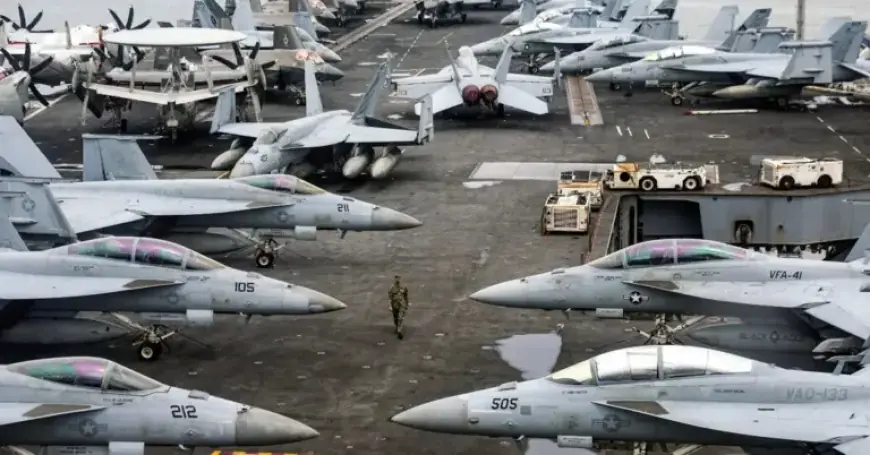
U.S. Secretary of State Marco Rubio recently addressed lawmakers about the increase in American military presence around Iran. He described this buildup as primarily defensive, aimed at safeguarding tens of thousands of American troops who are vulnerable to Iranian drone and missile strikes.
- Rubio highlighted the wisdom of increasing U.S. forces in the region.
- He expressed hope that preemptive actions against Iran wouldn’t be necessary.
Stalled Negotiations
Negotiation talks have stalled in recent days, with no signs of concession from Iran regarding U.S. demands. This deadlock comes on the heels of an intense military conflict, including a significant 12-day war with Israel in June. The conflict resulted in a U.S. airstrike on three key Iranian nuclear facilities located in Natanz, Fordo, and Isfahan.
With tensions running high, the necessity for a reassessment of diplomatic strategies is becoming increasingly clear. Moving forward, respect and dialogue may be crucial for de-escalating the situation.