
























Ilhan Omar Attacked at Minneapolis Town Hall, Sprayed With Unknown Liquid as Police Arrest Anthony Kazmierczak

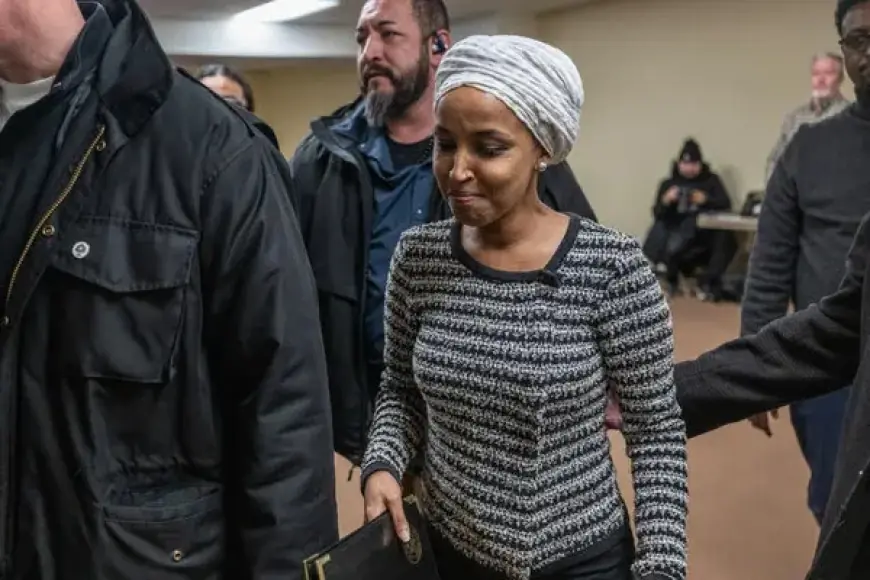
U.S. Representative Ilhan Omar was attacked during a public town hall in Minneapolis on Tuesday evening, January 27, 2026 ET, when a man rushed toward the front of the room and sprayed her with an unknown liquid from a syringe before being tackled by security. Police identified the suspect as Anthony James Kazmierczak, 55, and said he was taken into custody on suspicion of third-degree assault.
Omar appeared uninjured and resumed speaking after a brief pause, declining immediate medical evaluation at the event. Investigators said forensic personnel collected evidence at the scene as officials worked to determine what the substance was.
What happened: Ilhan Omar sprayed and event disrupted
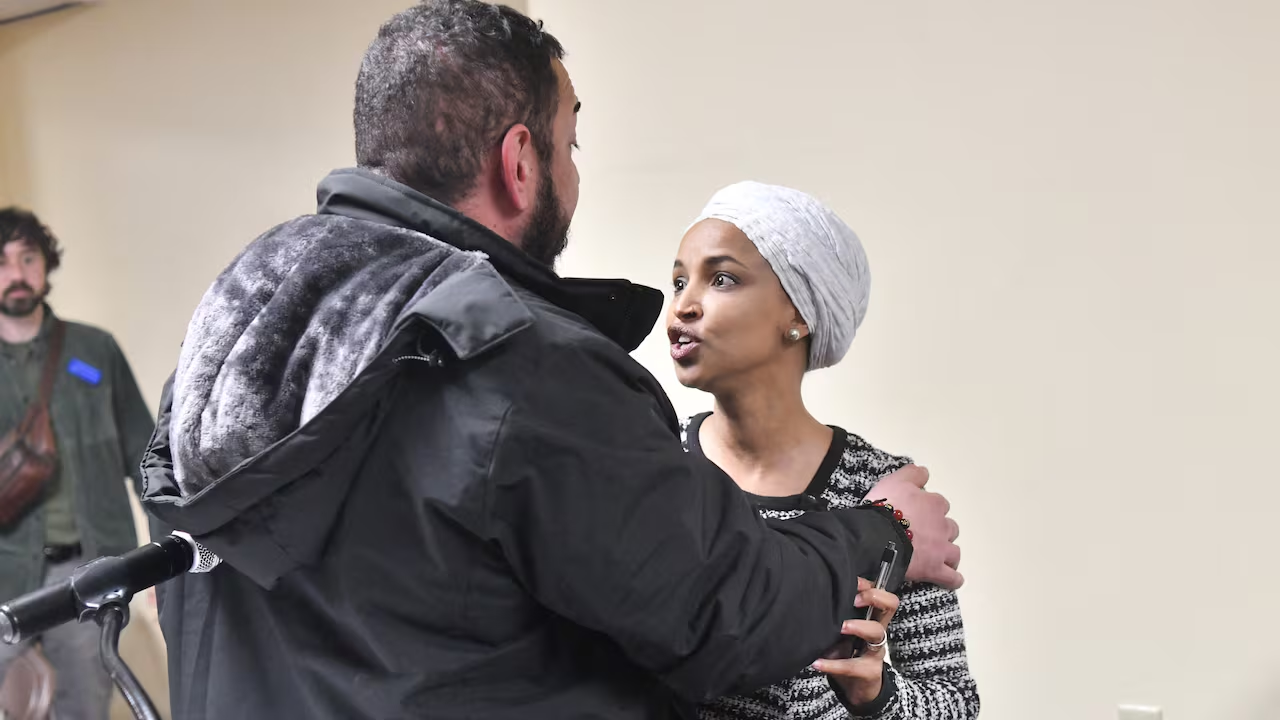
Witness video from inside the room shows a sudden break in the town hall’s rhythm: an audience member rises from the front rows, closes distance quickly, and discharges liquid toward Omar at the podium area. Security intervenes within seconds, bringing the man to the ground and escorting him away.
Police statements described the device as a syringe used to spray an unknown liquid. People near the front described a strong odor, and Omar’s staff later indicated she was okay. The suspect was booked into jail while the investigation continued.
The attack occurred amid heightened tensions in Minnesota over federal immigration enforcement actions and protests that have drawn large crowds and intense rhetoric. Omar had been speaking about immigration policy and calling for changes in leadership at the Department of Homeland Security when the disruption occurred.
What was Ilhan Omar sprayed with?
As of Wednesday, January 28, 2026 ET, officials have not publicly confirmed the identity of the liquid. Descriptions from the scene focused on odor and irritation rather than a confirmed chemical profile:
-
It was foul-smelling, described by attendees in vinegar-like or ammonia-like terms
-
At least one witness described minor throat irritation after exposure
-
Forensic collection suggests lab analysis will be central to confirming composition and potential intent
Because the substance has not been verified publicly, any definitive claim about what it was would be premature. The most reliable statement right now is that it was an unknown liquid delivered by syringe, under active investigation.
Who is Anthony Kazmierczak and what charges could follow?
Police identified the suspect as Anthony James Kazmierczak, age 55. Beyond that identification and the initial assault allegation, many details remain limited in the public record at this stage, including whether he has legal representation and whether prosecutors will seek enhanced charges.
The legal path often turns on three questions:
-
What exactly was the substance? If it is hazardous, charges can escalate.
-
Was there intent to harm, intimidate, or disrupt official duties? That can increase severity.
-
Who else was exposed? Reports indicate liquid may have reached other attendees, which can broaden the case.
Behind the headline: why this moment is bigger than one incident
This attack sits at the intersection of two forces reshaping American politics:
First, the shrinking space for in-person civic engagement. Town halls are designed for direct accountability, but they also create an open environment where a single actor can hijack the event. When that happens, the incentive structure shifts: campaigns and offices consider smaller venues, more screening, fewer unscripted interactions, and higher reliance on controlled formats.
Second, the collision of policy conflict and personal targeting. Omar is a high-profile figure who draws intense reactions. When political opponents frame disagreements in personal or dehumanizing terms, it can lower the perceived social cost of intimidation. The result is a risk ladder: harassment, threats, confrontations, and in some cases physical incidents.
Stakeholders are already moving:
-
Law enforcement must show rapid accountability while protecting due process
-
Congressional security faces pressure to reassess event protocols for members outside Washington
-
Local officials and community leaders must prevent the incident from becoming a template for copycats
-
Advocacy groups across the spectrum will try to shape the narrative around safety, speech, and protest
Second-order effects can be immediate: increased security per event, higher costs, fewer spontaneous public forums, and a chilling effect on participation from constituents who do not want to risk being in the room.
What we still don’t know
Several key pieces remain unconfirmed as of January 28, 2026 ET:
-
Lab confirmation of the liquid’s identity and toxicity, if any
-
Whether the suspect planned the act or acted impulsively
-
Whether additional charges will be filed after testing and interviews
-
What security adjustments will be adopted for future Omar events and other public meetings
What happens next: scenarios and triggers
-
Substance confirmed harmless: case proceeds as assault and disruption, with focus on intent and deterrence.
-
Substance confirmed irritant or hazardous: prosecutors seek more serious charges tied to chemical exposure.
-
Broader security shift: lawmakers accelerate changes to town hall formats, screening, and venue access.
-
Political escalation: rival camps use the incident to harden narratives, increasing risk around future events.
-
Public transparency push: pressure grows for clearer reporting on threats and on-member security resources.
For now, the core facts are clear: Ilhan Omar was attacked and sprayed with an unknown liquid at a Minneapolis town hall, Anthony Kazmierczak was arrested, and the investigation hinges on what the substance was and what the suspect intended to accomplish.