
























Can MLB Achieve Parity Without Implementing a Salary Cap?

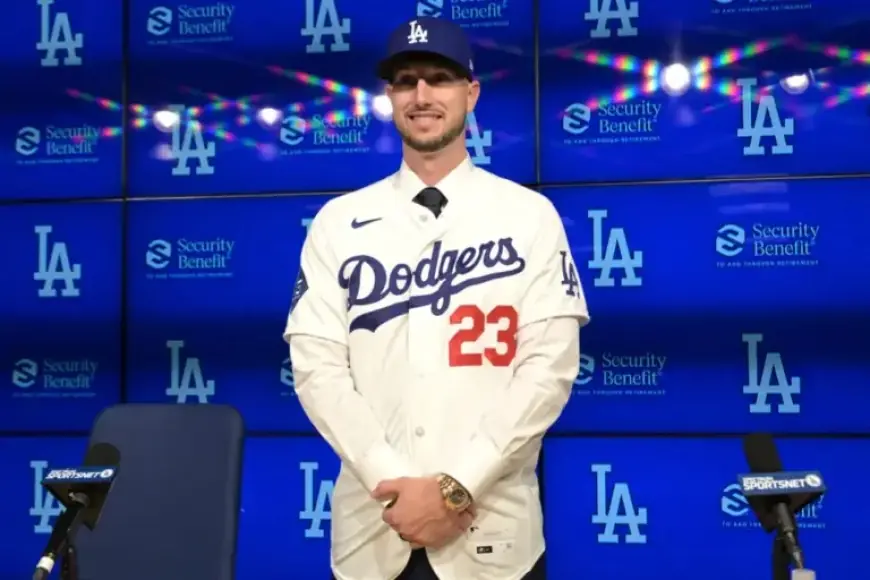
The conversation surrounding Major League Baseball (MLB) and the prospect of a salary cap continues to evolve. Recent developments, including the Los Angeles Dodgers signing Kyle Tucker, have reignited debates about competitive balance within the league. With increasing revenue discrepancies between teams, many fans and analysts are questioning whether parity can be achieved without significant reforms.
Interest in Salary Cap
A poll conducted last year indicated a strong desire among fans for a salary cap within the next Collective Bargaining Agreement (CBA). Approximately 36,589 individuals participated, with two-thirds advocating for such measures. The results suggest increased energy around the topic, especially after the Dodgers secured back-to-back World Series titles and valuable player signings.
Poll Results
- Poll Respondents: 36,589
- Support for Salary Cap: 67.2%
The second part of the poll assessed the willingness to sacrifice a complete season in 2027 for a salary cap. Out of 27,629 responses, 50.18% indicated they would accept this drastic measure, revealing a split sentiment on the potential implications of a salary cap.
Revenue Discrepancies
Current financial structures show a staggering contrast in operational revenue among MLB teams. The Dodgers reportedly generated over a billion dollars in revenue for 2024, a stark contrast to smaller market teams like the Pittsburgh Pirates, who earned around a third of that figure. This discrepancy raises questions of fairness in player acquisitions and overall competition.
Player Valuation and Salary Trends
- Tucker’s Expected Value: 4.5 WAR (Wins Above Replacement)
- Projected Salary for 2026: $120 million
- Average MLB Team Salary Range: $12 million per WAR
With the current trajectory, top teams are willing to invest significantly more into player salaries, thus exacerbating debates on whether a salary cap would preserve competitive equality among franchises.
Challenges of Implementing a Salary Cap
Some believe that a salary cap might actually depress player salaries long-term. This sentiment aligns with concerns that MLB ownership may prioritize financial gains over fair play. The league is at a crossroads, needing to address competitive balance without jeopardizing player compensation.
Alternative Solutions to Competitive Balance
While a salary cap is a popular topic, others argue for a redistribution of wealth through enhanced revenue sharing among teams. This model could oblige large-market teams to invest a portion of their profits into smaller markets, thus leveling the playing field.
Establishing a solid framework for revenue sharing could potentially ensure smaller market teams remain competitive in negotiations for top talent.
Transparency and Financial Accountability
Another significant issue lies with the lack of transparency surrounding team revenues and expenditures. Fans and analysts often rely on selective reports, leaving uncertainty regarding team profitability and how revenue-sharing funds are utilized.
Key Questions on Financial Structure
- How much is paid into the revenue-sharing system annually?
- What is the total benefit received by teams and how is it spent?
Addressing these questions is critical for fans to understand the structures at play and how they might influence the potential for a salary cap or other measures aimed at achieving equity.
Conclusion
The question remains: Can MLB achieve parity without implementing a salary cap? While sentiment leans toward introducing a cap, the discussions also spotlight the need for enhanced revenue sharing and financial transparency. Without cooperative measures from ownership and players, the challenges of competitive balance will persist in the increasingly commercial landscape of baseball.