













Chess Grandmaster Daniel Naroditsky Dies from Accidental Overdose-Related Heart Issues

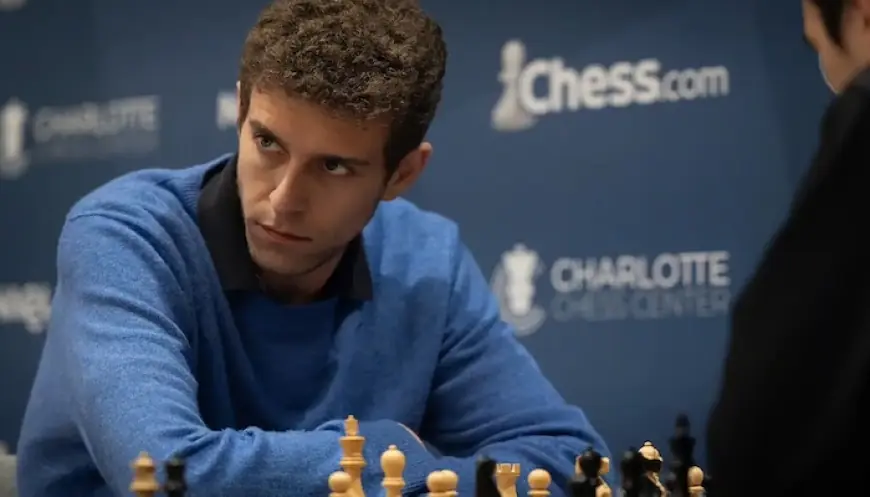
Daniel Naroditsky, a renowned American chess grandmaster, tragically passed away at the age of 29 in October 2023. The cause of death was linked to an accidental drug overdose, as revealed in a toxicology report from the North Carolina Medical Examiner’s Office.
Details Surrounding Naroditsky’s Death
According to the report, Naroditsky had multiple substances in his system at the time of death. He tested positive for:
- Methamphetamine
- Kratom, an opioid-related ingredient commonly found in energy drinks and supplements
His death occurred shortly after he had last been seen alive on October 18, when he accepted a food delivery. He was found deceased the following day after missing a flight. Concerned friends visited his home two days prior, noticing unusual behavior online. During this visit, they confiscated 40 Adderall pills from him.
A Glimpse into His Life and Career
Naroditsky was a chess prodigy who achieved the title of grandmaster at just 18 years old. He is credited with popularizing chess through innovative livestreaming of his matches on platforms like YouTube and Twitch. His engaging commentary attracted thousands of viewers, particularly during the pandemic when interest in chess surged.
Controversies and Allegations
Throughout his career, Naroditsky faced allegations of cheating, notably from former World Chess Champion Vladimir Kramnik. Naroditsky consistently denied these accusations, stating that they had affected him significantly. In one of his last livestreams, he reflected on the pressure he felt due to these claims, saying, “The issue is just the lingering effect of it.”
In November 2023, the International Chess Federation filed a formal complaint against Kramnik for harassment after his allegations against Naroditsky. Kramnik described the federation’s investigation as “insulting and fair,” and he subsequently launched a defamation lawsuit against them.
Reflections and Aftermath
Kramnik expressed his condolences following Naroditsky’s death, calling it an “immense tragedy.” He criticized what he termed a “cynical smear campaign” that unjustly linked him to Naroditsky’s passing. He also stated that he had urged Naroditsky’s friends to provide support on the morning of his death, acknowledging the futility of those efforts.
This series of events highlights the challenges faced in the chess community and the impact of mental health issues in the high-stakes environment of competitive chess.