US Reduces Tariffs on Taiwanese Goods Following Investment Commitment

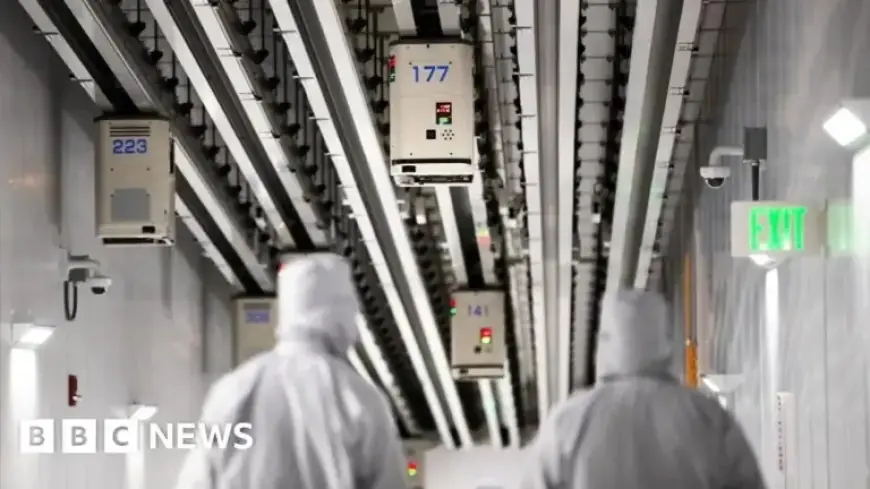
The United States has announced a significant reduction in tariffs on Taiwanese goods from 20% to 15%. This change comes in exchange for a substantial investment deal designed to enhance domestic semiconductor production.
Key Details of the US-Taiwan Agreement
The Commerce Department revealed that Taiwan’s semiconductor and technology sectors have pledged over $250 billion in direct investments. This commitment aims to improve chip manufacturing capabilities in the US, which have been critical given recent supply chain disruptions.
- Tariff Reduction: From 20% to 15% on Taiwanese goods.
- Investment Commitment: Taiwan committed to $250 billion in investments.
- Carve-Outs: Tariff exemptions for Taiwanese firms investing in the US.
- Focus on Semiconductors: Essential for various technology applications, including automotive and mobile devices.
Boosting Domestic Production
Increasing the production of semiconductor chips is a critical priority for the US government. The COVID-19 pandemic highlighted vulnerabilities in global supply chains, prompting this agreement. In an interview, Commerce Secretary Howard Lutnick emphasized the goal of achieving self-sufficiency in semiconductor manufacturing.
TSMC, a leading Taiwanese manufacturer, reported plans to accelerate its investments in the US. The company has recently opened a facility in Arizona, supported by $40 billion in government subsidies from the Biden administration. This plant supplies chips to major American technology companies, including Nvidia, Apple, and AMD.
Support for Industry Growth
The agreement not only facilitates direct investments but also includes plans for financial support from the Taiwanese government. This financing will bolster technological initiatives in the semiconductor sector.
Impact on US Trade Policies
The new tariff rate aligns with those imposed on imports from key partners such as Japan and South Korea. These rates were established following previous tariff policies initiated by the Trump administration, aimed at addressing trade imbalances.
This tariff reduction arrives amid ongoing discussions regarding broader trade policies and potential restrictions on the semiconductor industry. The Supreme Court is currently evaluating appeals from various stakeholders against existing duties, citing overreach of presidential power.
Challenges for the Semiconductor Industry
Despite these positive developments, the semiconductor sector has faced challenges. Intel, a direct competitor of TSMC, continues to struggle with its production of advanced chips, particularly for artificial intelligence applications. Following a federal investment last year, Intel is set to cut thousands of jobs, a trend that has contributed to a notable decline in employment within the semiconductor manufacturing field.
Last year alone, the sector lost over 17,000 jobs, highlighting the hurdles that remain, even amid government efforts to revitalize the industry.