






















Justin Timberlake sues to block release of police video from 2024 drunken driving arrest in New York

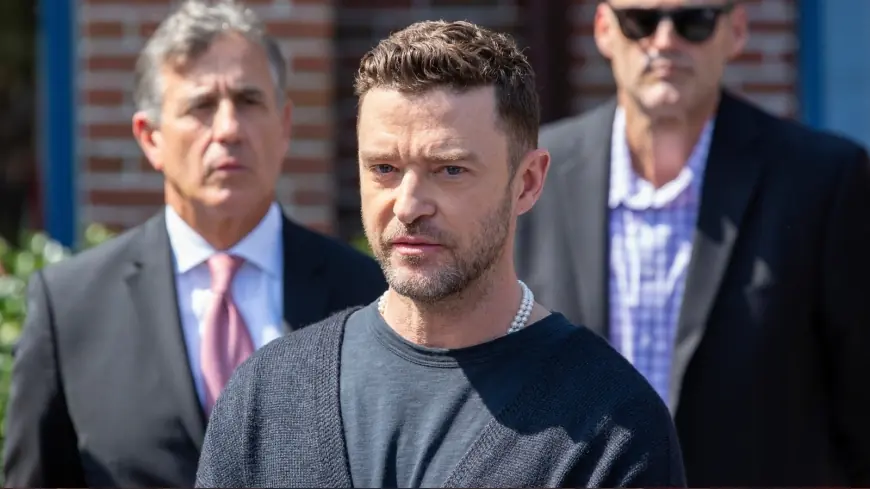
Justin Timberlake has filed a lawsuit seeking to prevent the public release of police body camera footage from his 2024 drunken-driving arrest, arguing the hours-long recording would devastate his privacy and cause irreparable reputational harm. The case has immediate implications for how privacy claims are weighed against public-records rules in high-profile incidents.
Justin Timberlake's legal bid to block the video
The suit was filed against the Village of Sag Harbor and its police department, asking a state court to issue a temporary restraining order and preliminary injunction to stop disclosure of the footage. Court filings assert the video captures the petitioner in an acutely vulnerable state during a roadside encounter, including intimate details of physical appearance, demeanor, speech, field sobriety testing, the arrest, and several hours of confinement.
Timberlake's lawyers argue the footage contains personally identifiable and private information not relevant to any law enforcement action of public concern, and that release would subject him to stigma, harassment and permanent loss of privacy. The filings say the bodycam footage runs roughly eight hours and extends beyond the immediate arrest events.
Court reaction, village response and what happens next
At a state court hearing, the judge declined to issue an immediate ruling and instead asked the parties to confer and report back later in the week. Village officials had been preparing to release some footage with certain redactions to comply with public records requests and local transparency obligations, while also reviewing the material to avoid disclosures that could put the public or police at risk.
Village representatives described efforts to balance transparency with safety and privacy considerations. The litigation will determine whether an expedited judicial review will block disclosure, permit a private review process to identify non-disclosable material, or allow a redacted public release.
What the record and plea deal show
Public court documents note the arrest arose from a traffic stop in the Hamptons area in mid-2024. The petitioner later pleaded guilty to impaired driving in September 2024 and accepted a negotiated resolution that included community service, a fine, a license suspension and a public safety announcement about the dangers of driving after drinking.
Legal filings emphasize that some of the video extends beyond the traffic-stop interaction and includes bystanders whose privacy interests the suit says must also be considered. Attorneys for the petitioner have asked the court either to block release altogether or to conduct a private review and withhold material that is not subject to disclosure under the state's Freedom of Information Law.
Implications and likely outcomes
- Possible negotiated resolution: The judge invited the parties to negotiate, so a mutually acceptable redaction plan or limited release remains possible.
- Private review option: Courts sometimes authorize an in-camera review to determine what is disclosable; that process could narrow public release without full disclosure of sensitive moments.
- Precedent questions: The case raises questions about how hours-long bodycam recordings are treated when they capture sensitive personal moments for public figures, and how privacy interests are balanced with transparency obligations under public-records laws.
Recent updates indicate the dispute is actively developing as the parties discuss potential resolution. The court has paused immediate action to give the sides time to negotiate; further hearings or rulings are expected once those discussions conclude.