



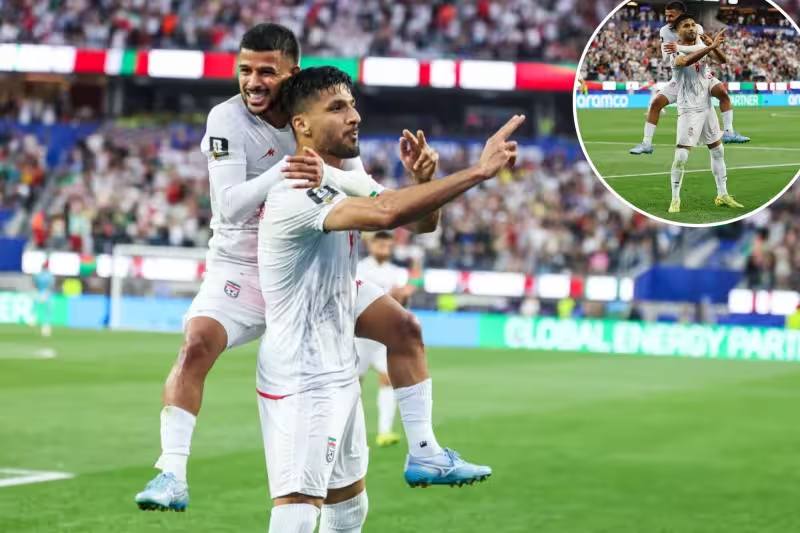
Iran drew 2-2 with New Zealand on Monday at the 2026 FIFA World Cup in Los Angeles, and the match’s defining moment came after Mohammad Mohebi scored Iran’s second goal and appeared to act out firing guns in his celebration — a gesture that immediately provoked widespread anger online.
Many people on social media were outraged, and some interpreted the celebration as a reference to the ongoing war between the United States and Iran, turning what should have been a routine goal celebration into a political flashpoint during an international tournament.

The match produced another charged image: Ramin Rezaein, Iran’s other scorer, lifted his jersey over his head to cover his face in celebration. Rezaein later acknowledged a political element to his action, saying, "It’s something political …I don’t want to talk about that," and adding, "We are here to answer football questions. If there is a problem between us [the Iranian people], it is between us."
Mohebi addressed the backlash after the game, insisting the gesture was not intended as a political statement. "The celebration was just coming in the mind, in the moment," he said. He repeated that the movement was meant for the crowd: "I do it like this [gestures with his hands] and I wanted to do it like this for all the fans. It’s just a celebration you know, and that’s it." His explanation sits uneasily beside the quick and forceful reaction on social platforms.
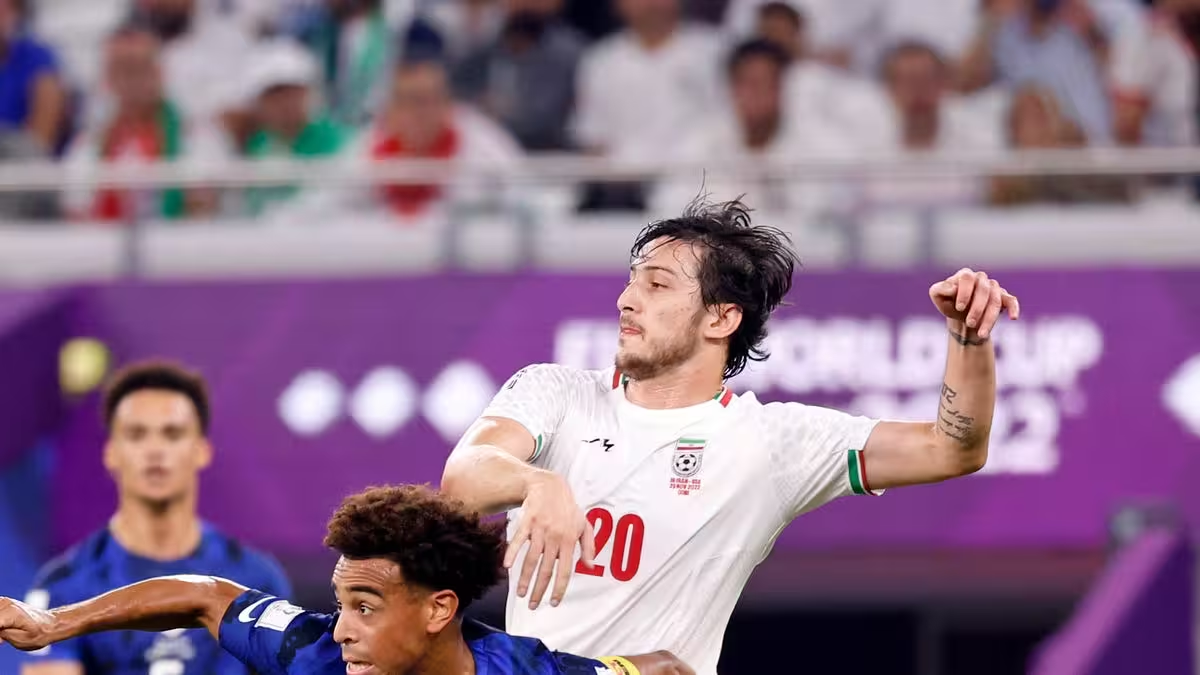
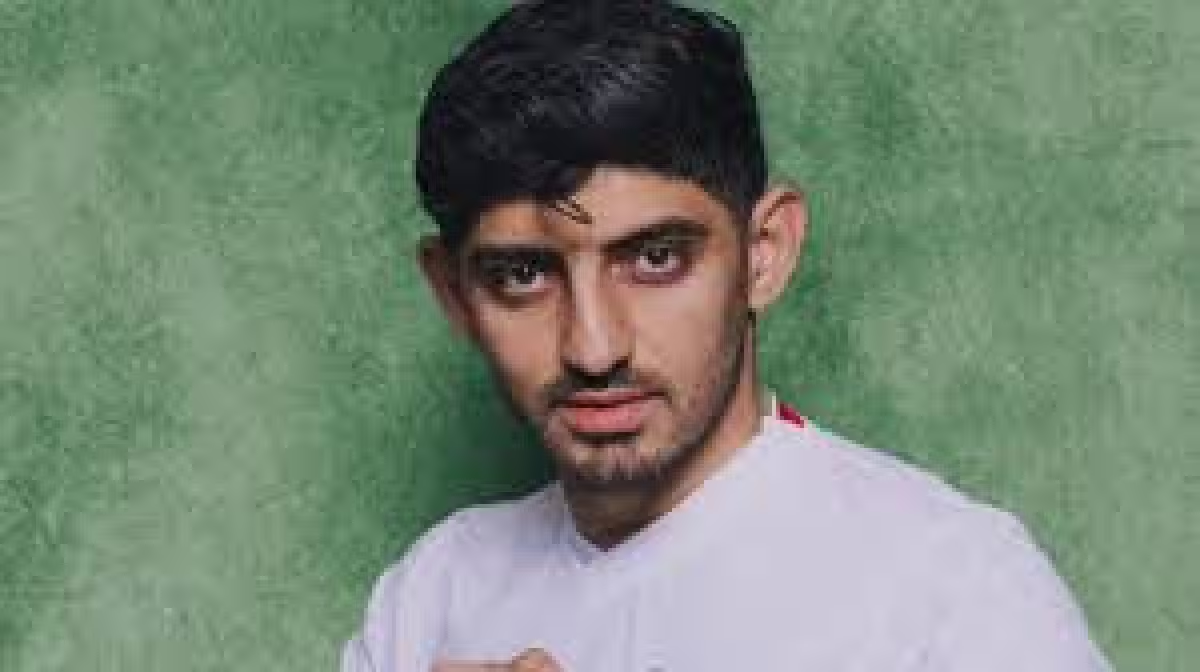
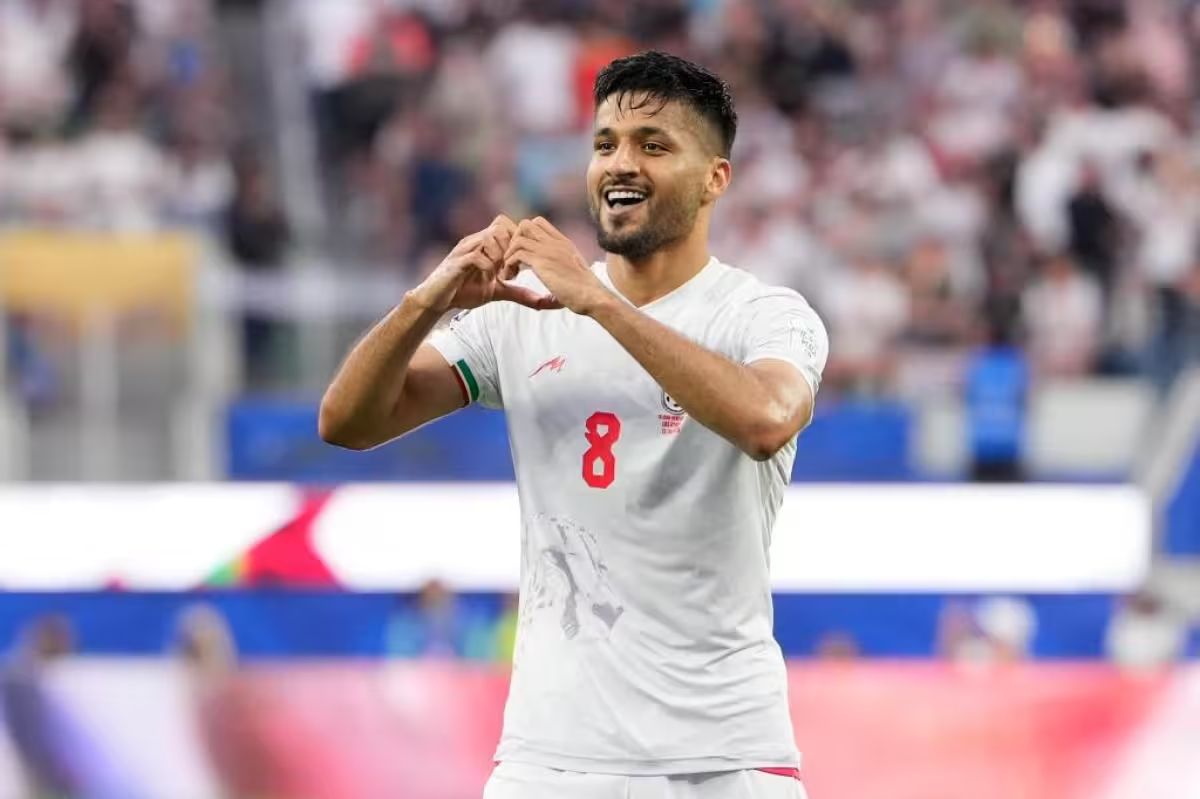
The controversy landed as Iran grappled with logistical friction. Head coach Amir Ghalenoei said the team had been told to leave the United States immediately after the Los Angeles match and return to its camp in Tijuana. "We’ve been asked to get on a plane and return to our camp in Tijuana and we are really troubled by that. They are forcing us to go back early," he said, adding that the situation was creating extra obstacles: "They are making the situation more and more difficult, more hurdles, but we’re not going to let that stop us from doing our best."
Context matters: the social-media criticism focused on the possibility that Mohebi’s motion referenced the broader tensions between the United States and Iran, and the team’s travel disruption compounded attention on the squad in the United States. The match and the aftermath became more than a scoreboard line for viewers who saw politics in players’ gestures and in the team’s hurried movements off the pitch.
The friction in this story is straightforward. Mohebi says his celebration was spontaneous and directed at the fans; many online saw it as something else entirely, tied to an international conflict. Rezaein acknowledged a political message in his own celebration, deepening the split between explanation and perception and leaving no single, uncontested reading of what happened.
What happens next is immediate and tangible: Iran’s other group-stage matches in the United States are scheduled against Belgium in Los Angeles on Monday and Egypt in Seattle on June 27. The central unresolved question now — sharper after Mohebi’s brief post-match comments and Rezaein’s admission — is simple and consequential for the team’s image: what exactly did Mohebi intend beyond saying it was "just a celebration," and will that explanation be enough to quiet the controversy as Iran heads into its next fixtures?



