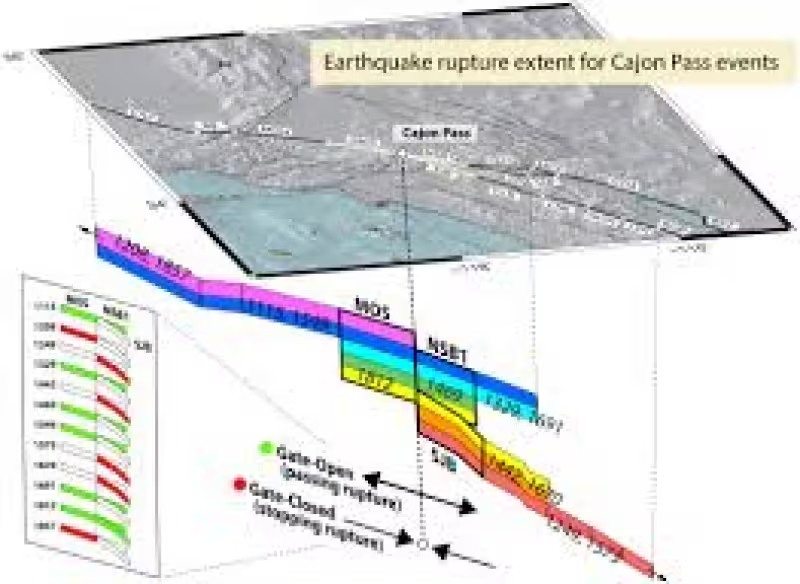
Scientists are taking a closer look at the San Andreas Fault stress level after fresh analysis revived an old question in California: where along the fault has strain built up, and where has it already been released? The practical value is not in predicting an earthquake. It is in understanding which stretches may still be locked and which have already slipped, information that feeds emergency planning in a state that lives with the fault every day.
The San Andreas runs for hundreds of miles through California, and it does not store stress evenly. Some sections creep. Others stay stuck. Some have ruptured in the past and shed strain, while others have stayed quiet for long periods. That patchwork is what makes any single reading of the fault misleading if it is taken as a whole. A new look at the fault’s stress level can sharpen the map, but only segment by segment.


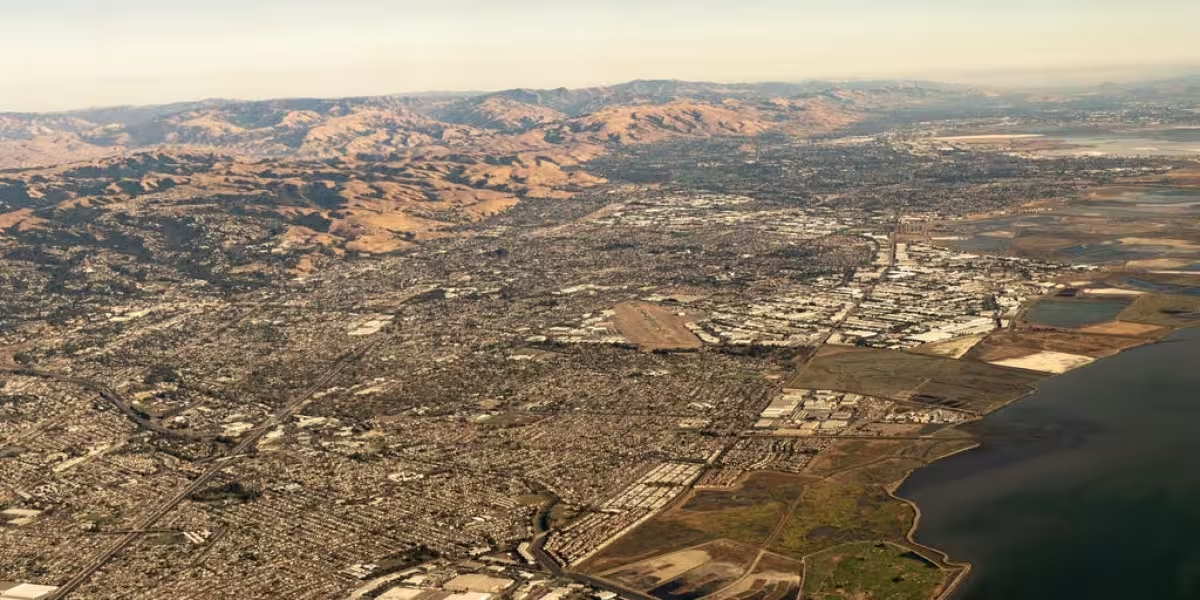
What researchers are trying to do now is separate those different behaviors with better evidence. They are comparing fault segments with past earthquake records and deformation data to refine where strain is concentrated. The result can matter beyond the lab, because even subtle changes in how scientists read the fault can influence how planners think about hazard, building standards and preparedness messaging.
The gap in the story is timing. A higher stress level does not tell anyone when an earthquake will happen, and a quieter section does not mean the danger has passed. That is the point that can get lost when new findings on the fault sound more exact than they are. The measurements improve the picture, but they do not turn the San Andreas into a clock.
For now, the next step is more measurement and more comparison, not a forecast. Researchers will keep testing which sections remain loaded and which have already let go. For Californians, the useful takeaway is narrower and stronger at the same time: the San Andreas Fault is still being watched closely, and the latest read on its stress level is best understood as a better map of where the pressure remains, not as a schedule for when it will break.